Brush Clearing vs. Underbrush Clearing: A Practical Comparison
Key Takeaways
Opting for brush clearing vs. underbrush clearing depends on the density of your vegetation, your ultimate land use goals, and your long-term maintenance plans.
Brush clearing is the best choice for resetting your land completely, while underbrush clearing preserves mature trees.
The cost of brush clearing can vary widely based on acreage, terrain, and equipment needed.
Choosing the wrong clearing method can increase erosion, regrowth, and future expenses.
Not only does overgrown property look neglected, but it also limits access, increases fire risk, and reduces usable acreage. One of the most common questions our team at 5K Land Management gets from landowners is how to choose between brush clearing vs. underbrush clearing.
While both of these services might sound similar on the surface, they actually serve very different purposes. In this guide, we’ll break down the intricate differences, costs, and best use cases so you can make the right decision the first time around.
What is Brush Clearing?
Brush clearing focuses on removing dense vegetation, such as thick brush, saplings, vines, and low-growing trees. It’s typically used when land has been left unmanaged for years and needs a full reset before it can be used again.
We commonly use it for:
Abandoned pasture or ranch land
Large rural tracts that need to be prepped for resale or development
Properties overtaken by cedar, mesquite, or invasive growth
Since this kind of clearing removes vegetation more aggressively, it’s often the first step in clearing overgrown land for new purposes. However, because it’s such an intense process, it also costs more and has a greater environmental impact.
The overall cost of brush clearing depends on the size, terrain slope, and vegetation thickness of your land, as well as whether the material is mulched, burned, or hauled away. For ongoing maintenance after clearing, many property owners transition into tractor mowing or selective follow-up services.
What is Underbrush Clearing?
Underbrush clearing is a more selective process that gets rid of low-level growth beneath the existing tree canopy. Rather than wiping the land clear and starting over, it opens up access, improves visibility, and reduces fire risk while preserving mature trees.
When comparing brush clearing vs. underbrush clearing, this option is best for:
Wooded properties that need access trails
Fire mitigation around residential properties or barns
Maintaining forested acreage without destroying the canopy
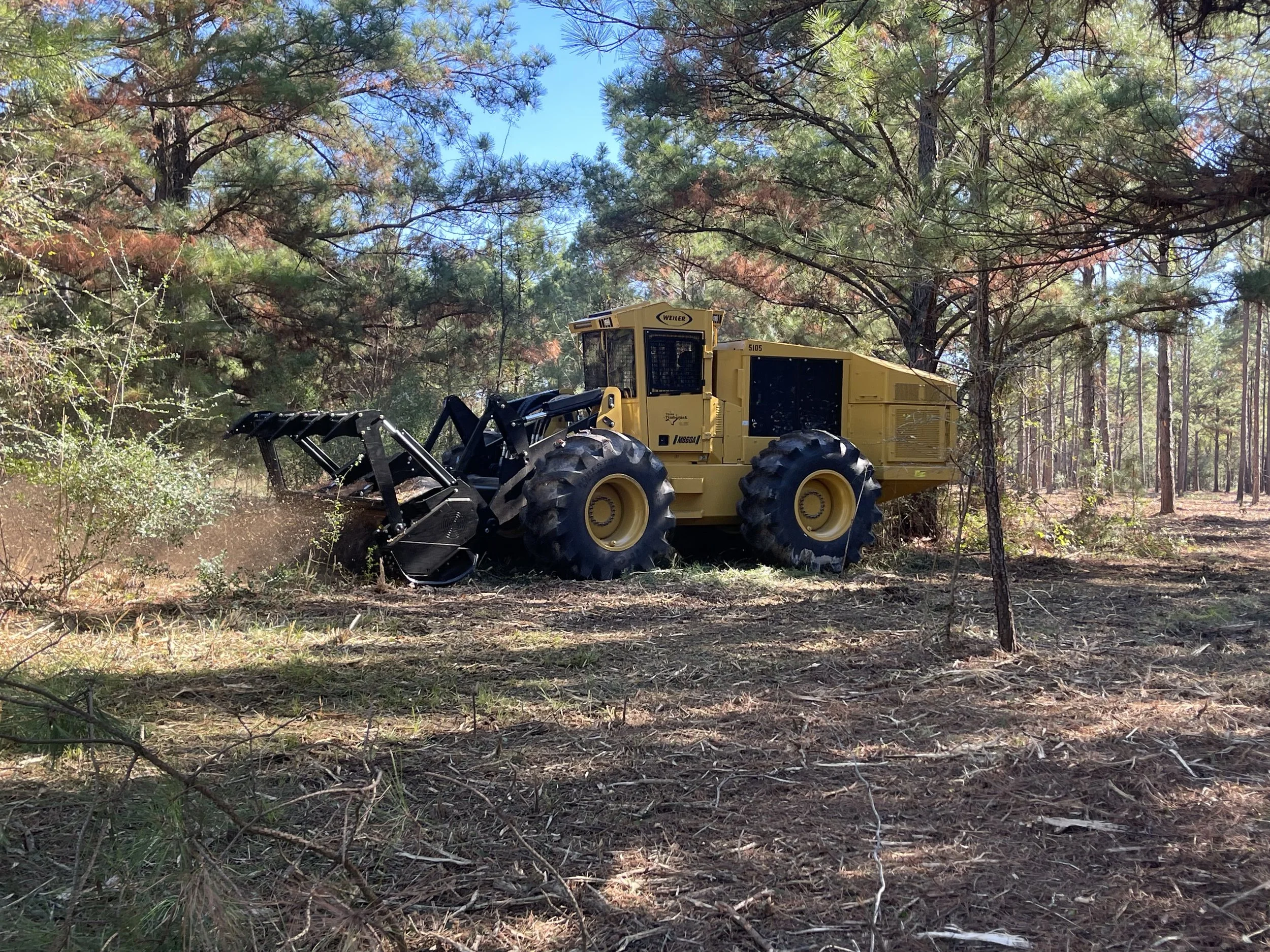
Landowners often pair underbrush clearing services with forestry mulching to process vegetation on-site, rather than hauling it away. This helps protect the topsoil and reduces erosion risks. If you want to keep your soil looking healthy and maintain your land in the long run, this is one of the best methods for doing so.
Brush Clearing vs. Underbrush Clearing - Key Differences
Choosing between brush clearing vs. underbrush clearing really comes down to your intent. The table below can help you determine which method makes the most sense for your property:
| Factor | Brush Clearing | Underbrush Clearing |
|---|---|---|
| Vegetation removal | Dense brush, saplings, small trees | Low growth beneath trees |
| Canopy impact | Often removes | Preserves |
| Typical cost | Varies widely by acreage | Often lower per acre |
| Best use cases | Complete land reset | Fire safety, access, visibility |
Knowing the difference between brush clearing and forestry mulching is also important in this case.
Mulching grinds vegetation into soil-friendly material, while traditional clearing may require clearing away debris or follow-up grading. Choosing the wrong approach can create new problems instead of fixing the original one.
This is because traditional clearing can sometimes strip vegetation without stabilizing the soil, leaving bare ground exposed to wind and rain, which can eventually lead to erosion and washouts. On the other hand, methods that only cut growth without addressing the roots trigger more aggressive regrowth, sometimes even thicker than before.
Forestry mulching helps mitigate both problems by breaking down material on-site and protecting the topsoil.
Mulching vs. Brush Hogging
Beyond mulching, some homeowners will opt for brush hogging services, which are notably different. Brush hogging cuts vegetation while leaving roots intact, while mulching processes material into soil-stabilizing mulch.
Choosing between the two often comes down to how important soil health and erosion control are for you.
How Much Does Brush Clearing Cost?
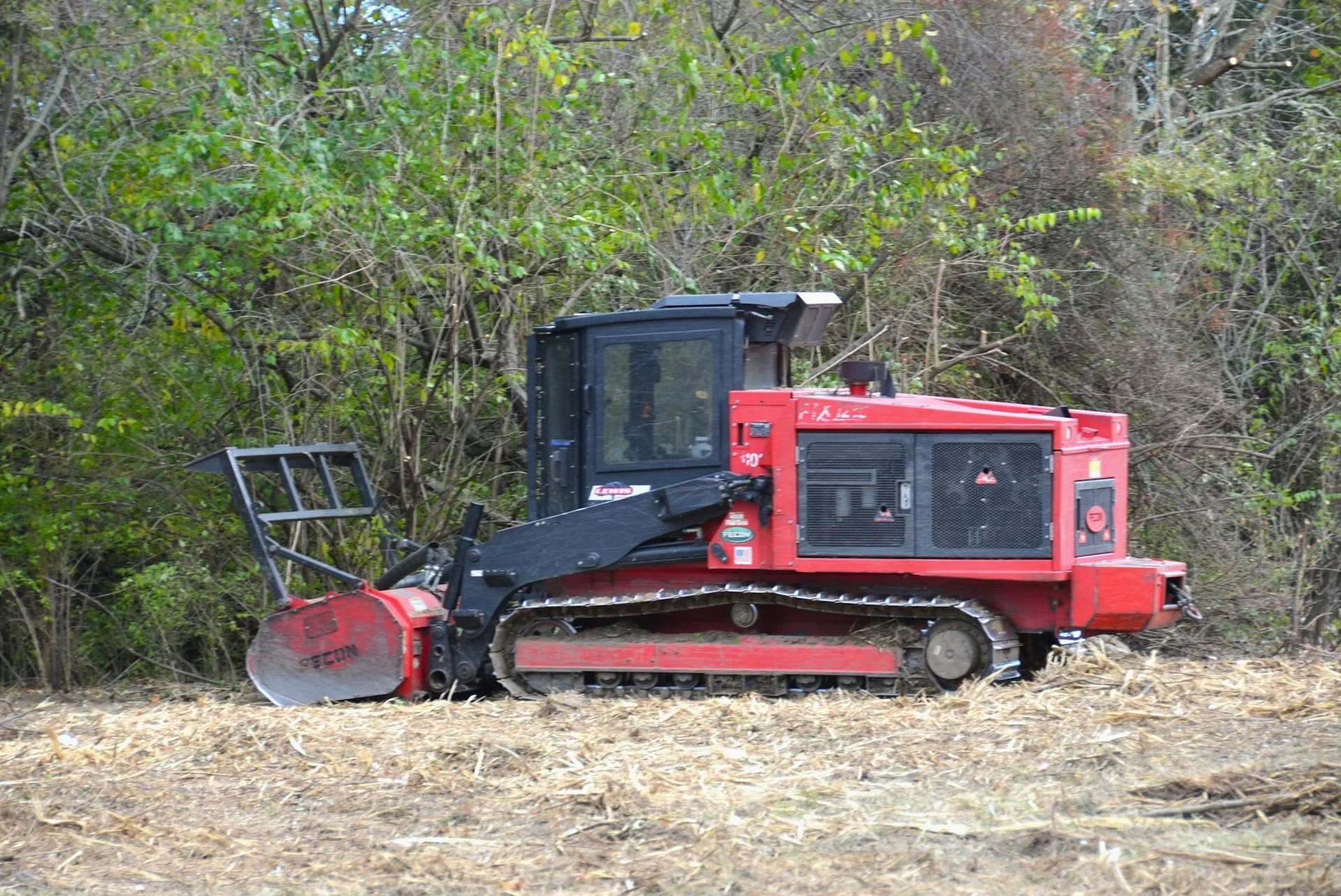
There’s no flat-rate answer to this question, as pricing depends on several factors:
Acreage layout and size
Density and type of vegetation
Slope and terrain
Type of equipment required
What’s important is that you hire an experienced team to get the job done. Brush clearing done cheaply may lead to higher long-term costs if roots, stumps, or invasive species are left behind.
Home Advisor has excellent pricing data by zip code for land-clearing services, which can give you a better idea of what you might expect to pay based on your job location.
When to Choose Brush Clearing vs. Underbrush Clearing
Choosing brush clearing vs. underbrush clearing depends on what you’re looking to get out of your land.
Brush clearing is an excellent choice if your land is unusable in its current state or you’re planning to build, sell, or fully reclaim acreage.
On the flip side, underbrush clearing is the better choice if you want access without losing trees, if fire mitigation is a priority, or if the long-term aesthetics of your land are important to you.
If you’re not sure which option is right for your property, get a professional walkthrough from an experienced land clearing company. Contact us today here at 5K Land Management for a free property assessment.
Frequently Asked Questions
-
If you need to fully reset your land, brush clearing is the better choice. If access and safety are your primary goals, underbrush clearing gets the job done.
-
Timelines can vary based on the size of the acreage, as well as the type of terrain and vegetation density. With professional equipment, however, you can greatly speed up the process.
-
For most landowners, yes. When done correctly, it can reduce the need for future maintenance and increase land usability.