
Frequently Asked Questions
Land Clearing
-
Several factors affect costs, like acreage, thickness of brush, presence of large obstructions, and slope. Get a custom quote for a transparent estimate of expenses.
-
Scope and complexity will determine project duration. 5K Land provides a timeline after assessing your property.
-
Yes. You must first eliminate trees and brush to create space for installing foundations, paved surfaces, and underground infrastructure.
-
Absolutely. Clearing thick plant growth eliminates nesting sites for insects and rodents. This can decrease infestations on your property.
-
Regulations differ depending on the county or city. Always check with local offices or ask your contractor to help confirm what’s needed. 5K Land Management operates in compliance with all city, county, state, and federal regulations.
-
Take personal belongings off the property. Then mark trees or sections you want saved. You can discuss boundaries with your contractor before work begins.
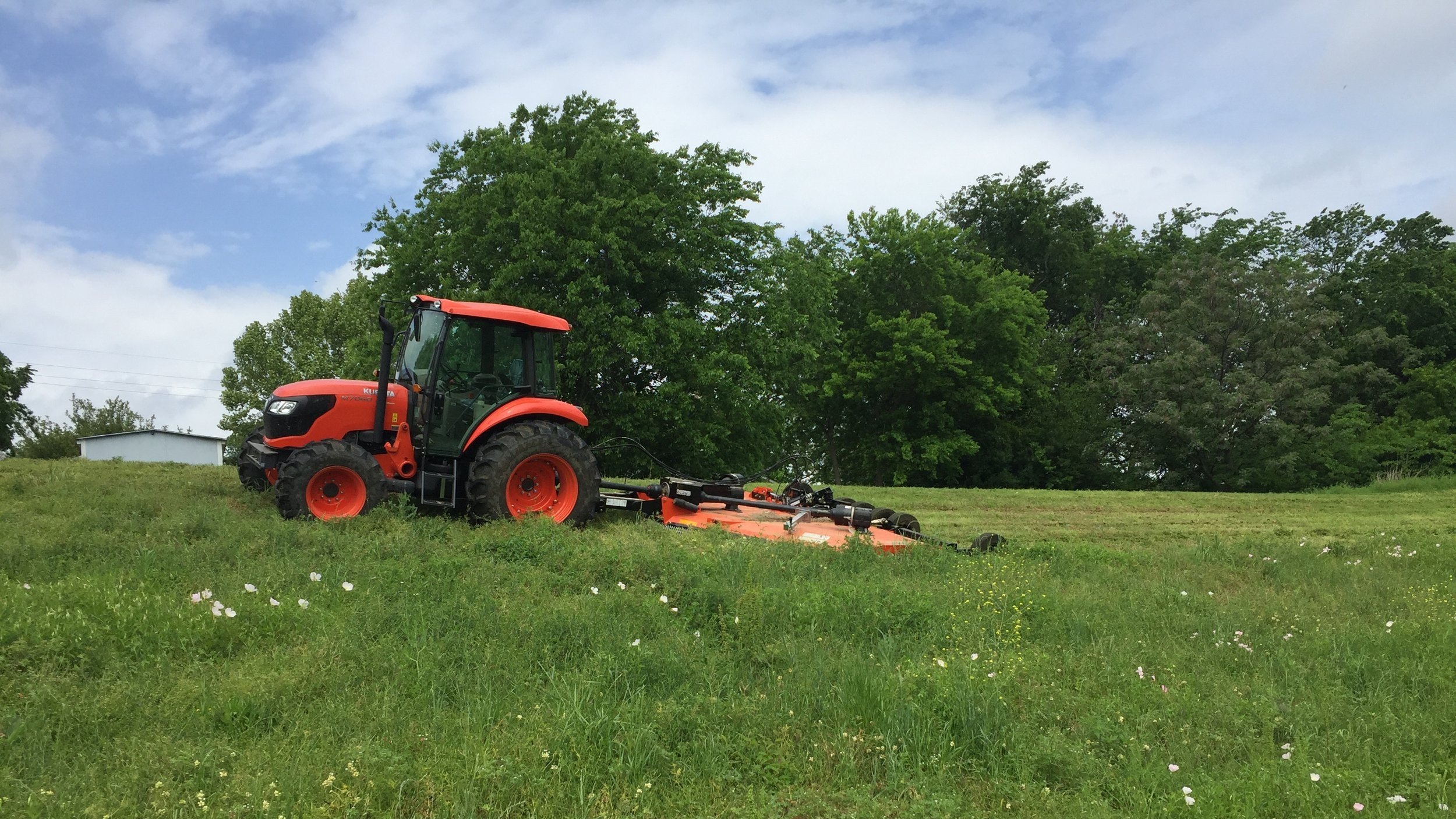
Tractor Mowing
-
We recommend mowing your property every 2 to 4 weeks between March and December to prevent unsightly overgrowth.
-
No, your grass can be wet when it’s time to cut it.
-
Oftentimes, the cut grass is simply left where it’s cut to biodegrade and break down naturally. Depending on the type and length of grass being cut, it could also be used for hay.
-
Yes. Tractor mowing is effective for managing overgrown areas.
-
Yes, you can mow on slopes and uneven ground with specialized equipment.
-
Yes, keeping grass short reduces fire hazards by removing dry vegetation.

Hydromulching
-
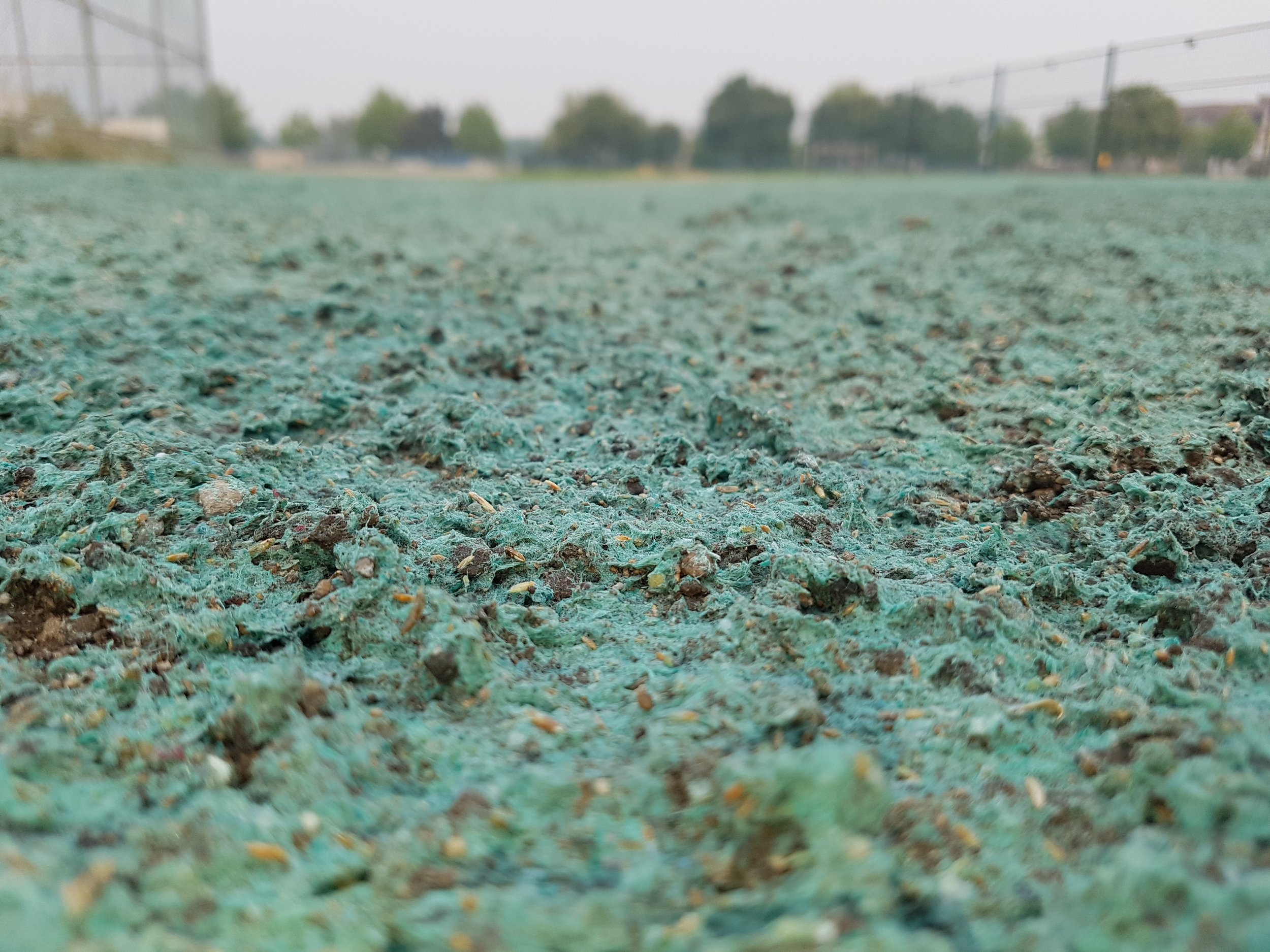
Hydromulching is a versatile process, and can utilize many types of seed. Grass types are usually chosen in relation to the amount of sun the grass can expect to receive.
-
It’s not exactly required, but it’s generally advised to have your soil tested to establish the requirements of your grass.
-
Walking across the soil generally won’t affect it too much, but it’s not advised. Driving over it or walking across it frequently is very detrimental to its long-term quality.
-
Yes. However, spring and fall are ideal due to favorable weather conditions.
-
We suggest you water regularly and avoid foot traffic. Do so until the grass is firmly established.

Gravel
-
Gravel size differs depending on what you need. Driveways use larger gravel than simple footpaths. We’ll evaluate what you need when we perform the first walkthrough.
-
The material combines different stone types. Fragments typically include sandstone, limestone, and basalt.
-
It’s generally advised to lay more gravel every 2 to 3 years.
-
A depth of 4 to 6 inches is typically recommended for driveways.
-
Yes, a base layer of larger stones helps with drainage and stability.
-
Using landscape fabric beneath the gravel can help prevent weed growth.
-
Yes. It can create attractive and functional paths when properly installed.
Mulching
-
Yes. We take the leftovers from the land clearing and use them to make an all-natural mulch for your land, and then spread it out accordingly.
-
If your intentions are simply to allow growth in your area, then really all you need to do is let nature take its course. If you’re intending to grow specific plants, then you’ll want to pay attention to prevent weeds from taking root.
-
Really, anything organic for the most part. If we cut it down, it’s probably going to be in the mulch.
-
Store-bought mulch is coated, colored, or dyed. It is beautiful to look at. However, it impedes the natural decomposition process. 5K Land mulch provides a nutrient-rich soil.
-
Yes, it adds organic matter and improves soil structure.
-
Improperly applied mulch can attract pests; ensure correct application techniques.
Demolition
-
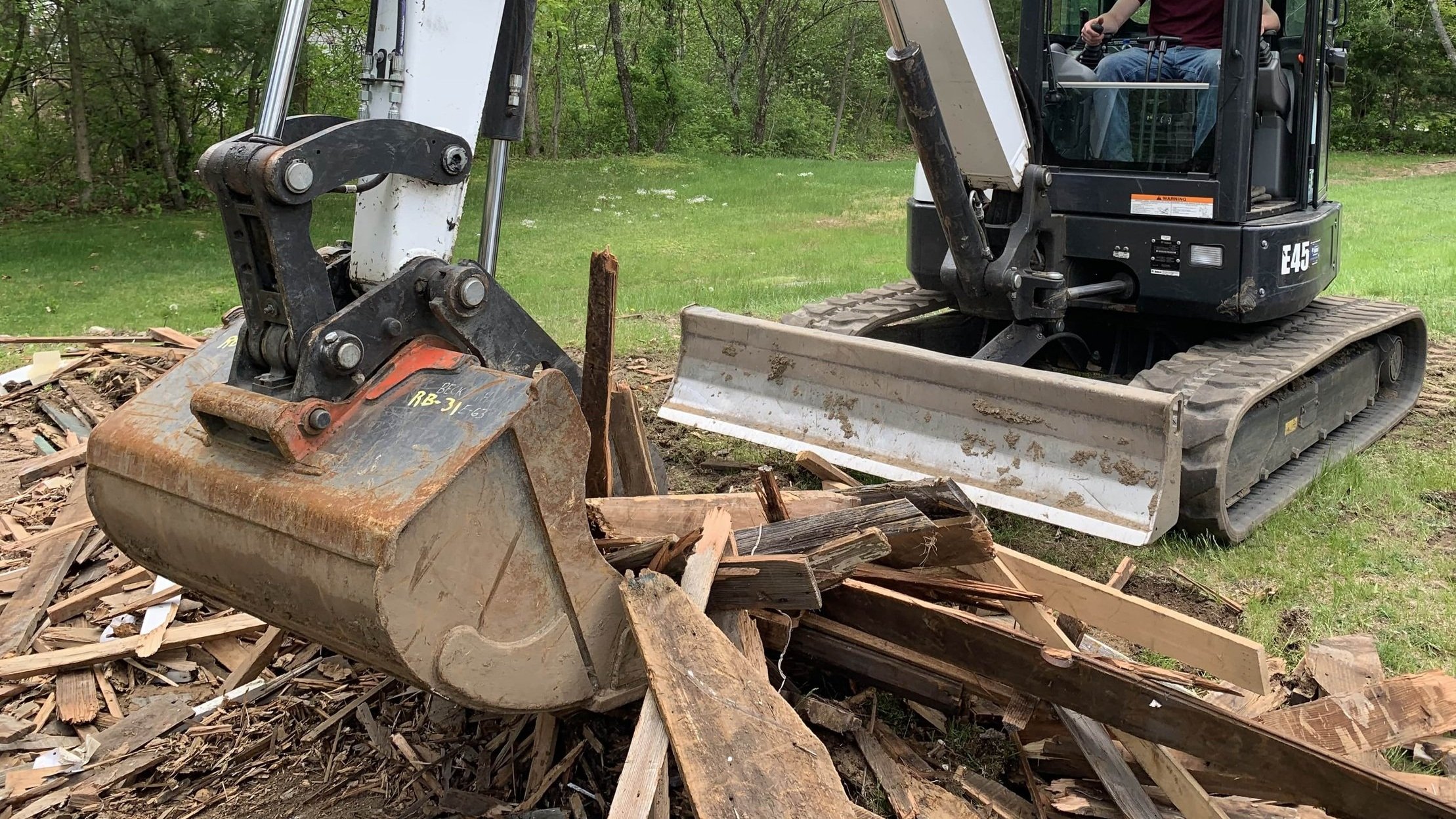
That depends on the structure. Smaller buildings, like sheds, we can handle. However, the outright demolition of something like a house is outside of the scope of our expertise.
-
The materials collected afterward will be either recycled or thrown away by us unless you specify otherwise.
-
Yes, when performed by professionals following safety protocols.