Land Clearing for New Construction in North Fort Worth Suburbs

Key Takeaways:
New construction clearing requires a completely different approach than rural brush clearing.
Once the location of the house is decided, that decision impacts the driveway route, septic placement, and utility runs.
All access routes and driveways need to be able to accommodate concrete trucks and equipment trailers.
5K Land Management helps landowners and small builders clear land to prep for construction.
Fort Worth is no longer a slow-growing city. In fact, it's now the 10th-largest city in the country, and that Alliance corridor growth is pushing north into places like Justin, Northlake, Roanoke, Argyle, Aubrey, and Saginaw.
Some owners are buying newly developed suburban lots to build custom homes. But in order to build those homes, their builders need to know what kind of prep the sites require.
Regardless of the type of home being built, there’s a real need for North Fort Worth land clearing, especially with so much new construction in the area. This guide walks through what landowners and small builders need to know before new subdivision clearing in the North Fort Worth corridor.
Why New Construction Clearing Is Different From Regular Brush Work
A brush job might be simple. Cut the growth back. Open up a lane. Make the land easier to maintain in the future.
Lot clearing for new construction has more moving parts.
The future homesite needs enough room for the pad, equipment, material staging, and safe access. Stumps can't be left where the driveway will go. Piles of brush can't sit where concrete trucks need to turn around. Low limbs left hanging near the entrance can be obstacles for deliveries.
Small builders are all too familiar with these hiccups.
5K Land Management’s lot clearing work deals with those issues early on in the process of clearing land to build a house.
Starting Each Job With Site Prep
Before anyone starts clearing wide swaths of land, the owner and builder need a rough idea of where the house will sit. The future pad drives a lot of decisions.
Which trees are too close and need to be cut back? Where will the driveway sit? Where will the septic system go? Is there enough room for a concrete truck to turn around without chewing up half the property?
Good site prep for new homes starts with all those questions and more. Not every detail needs to be finalized, but the clearing crew needs to know what the land is being prepared for. A homesite that’s tucked far back may call for more driveway work and longer utility runs than a spot near the road that needs better fencing to section it off from neighboring properties.
Making Room for Access, Driveways, and Utility Routes
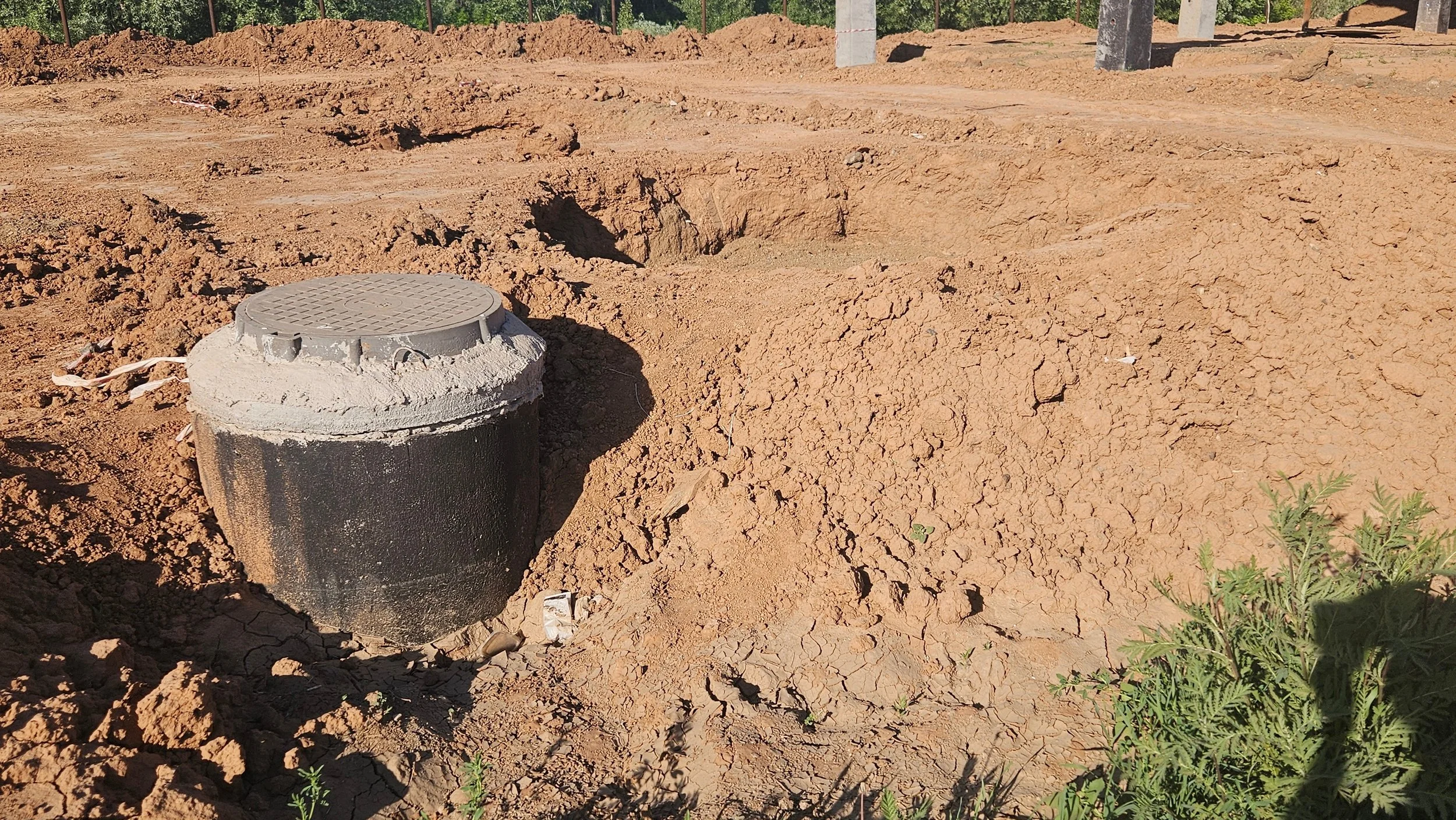
Don't judge a driveway or access route by whether you can personally drive through it on your side-by-side or pickup truck. If a big concrete truck or equipment trailer can't get in, unload, turn around, and leave the site, you're setting yourself up for problems.
For the entirety of the construction process, there needs to be clear access for every kind of vehicle and piece of equipment involved.
The same thing goes for utility routes. Power, water, internet, and septic service all need to be installed, and all need a path to do so. Before you start digging, make sure to use Texas 811 to get underground lines marked.
On some properties, right-of-way maintenance can help open up service routes or access roads to keep the build site from getting crowded if there are several teams working at once.
Grading and Drainage
Before you can put together a grading plan, the crew needs to know what the ground looks like. If there are low spots, old ruts, buried debris, or leftover roots, it can change what needs to be done next.
Buildable lot clearing gets the immediate work area ready for the people pouring the pad. That may include tree and stump removal or brush cleanup to clear everything out of the space.
It's also important to look at drainage early on. Water has a way of finding the one place you wish it wouldn't. With new construction, poor drainage can have a negative impact on the pad, the driveway, the work area, and the nearby soil. Depending on the size and scope of the project, the job may also need to account for construction stormwater requirements.
The moral here is: don't leave drainage as an afterthought.
Making Debris Haul-Off Part of the Schedule
If a clearing crew finishes cutting but leaves piles of brush or cut trees on-site, that material needs to be hauled off before the builder can take the next steps. If not, the crew may be stuck waiting.
The amount of time you set aside for debris can depend on the type of material and the way that it's cleared. If forestry mulching is used, that mulch can just be returned to the soil. But with regular clearing, those stacked-up piles of debris have to get hauled off the property.
How 5K Clears Land for New Homesites
Before 5K Land Management starts clearing for a new homesite, we look at the parts of the job that affect the next crew:
The pad area
The driveway route
Problematic trees and stumps
Low-lying wet spots
Areas with heavy brush
For larger acreage or mixed-use land, our commercial land clearing services may fit the scope better than a small residential cleanup. 5K brings in-house equipment, trained operators, and an owner-led crew, so the work stays with one accountable team.
If the job needs more than one pass, we’ll talk through that early on in the process as well.
Get Your Lot Ready for Development
If you're clearing land for a new home around North Fort Worth, tell us about the property and what you're planning to build. From there, we can see what's in the way and how we can prep the site.