What to Do After Forestry Mulching: Your Next Steps for Land Management
Key Takeaways:
Give the mulch layer time to settle and begin integrating into the soil
Decide what to do after forestry mulching based on your long-term land goals
Start your vegetation management early, including what to spray and seed with
Use erosion control and soil improvements to stabilize newly opened ground
Plan out your long-term management upgrades, such as fencing, ROW upkeep, or construction
While forestry mulching is a fast way to tame overgrown land, what happens next is just as important. In this guide, we’re going to look at what to do, what to spray, and how to clean up after forestry mulching, breaking down the essential next steps so you can go from raw, freshly mulched ground to a fully usable piece of land.
1. Immediate Cleanup
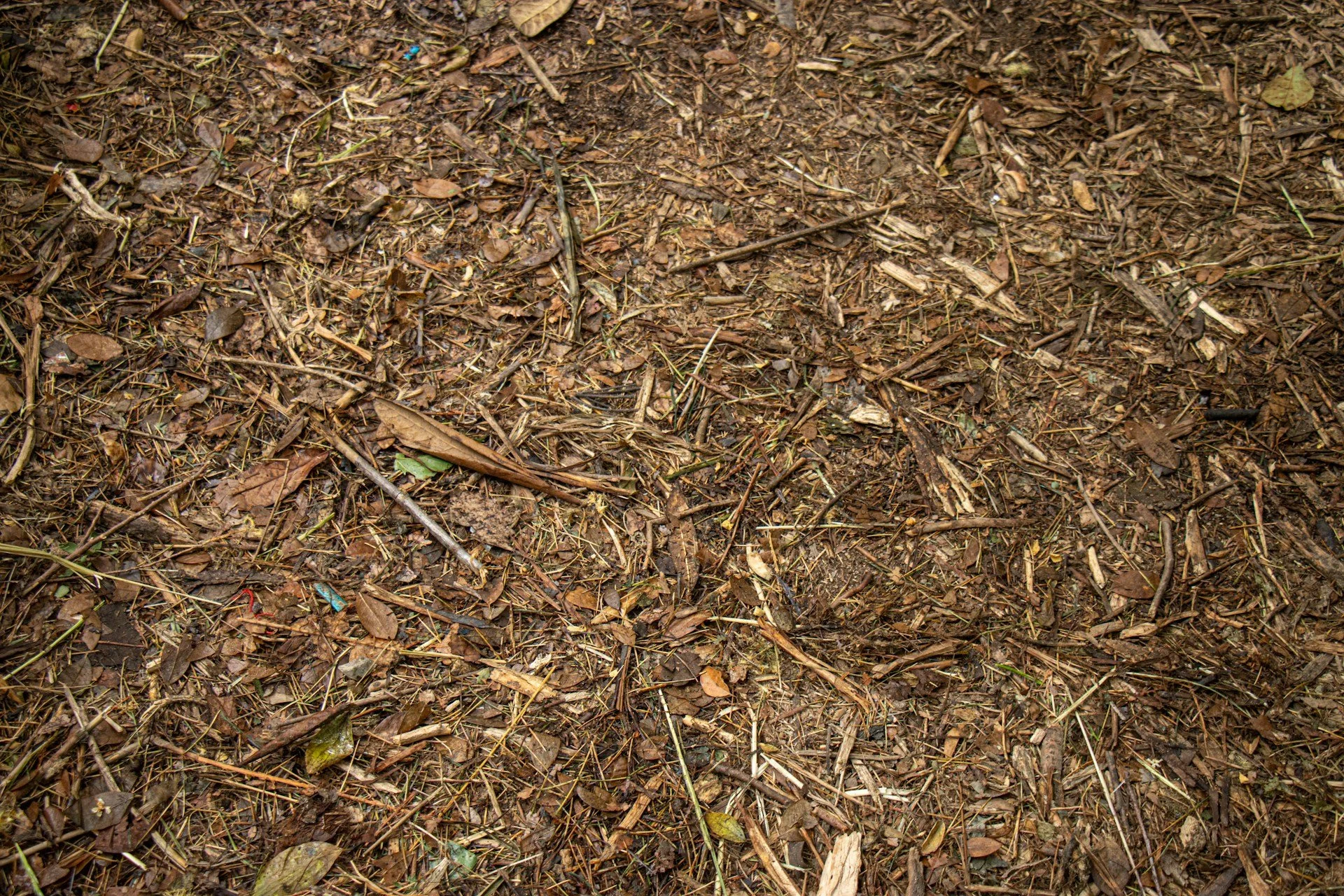
Most landowners ask what to do after forestry mulching as soon as the equipment leaves the plot. We always tell them that the first step is to be patient and let the mulch settle. This process can take anywhere from a few days to a couple of weeks, depending on the weather.
Waiting helps the chipped material start composting and reduces soft spots created by equipment.
Once everything settles, start the first cleanup pass:
A.Walk the Property
This is where your forestry mulching before and after should become clear. Look for:
Small stumps cut close to the ground
Piled debris or windrows
Ruts or uneven patches
Hidden logs buried by chips
Our team at 5K Land Management recommends clients do a full walkthrough within the first week while the site is still fresh in their mind. If the area needs any touch-ups, we can revisit with a skid steer or grinder.
B. Surface Smoothing
If your ultimate goal is pasture land, hay fields, or future construction, evaluate whether the land needs to be graded. Sometimes, the mulch layer is thick enough that it masks soft dips. Light tractor work can typically help level the ground.
If you’re wondering how to clean up after forestry mulching, note that you do not need to remove all the mulch. Mulch is an excellent natural erosion blanket that contributes nutrients back into the soil.
2. Vegetation Management
A major part of what to do after forestry mulching is creating a plan for controlling regrowth. Mulching is a dramatic way to knock down vegetation, though it doesn’t kill every root system.
A. Spraying After Mulching
Many landowners ask us what to spray after forestry mulching, especially in North Texas and Southern Oklahoma, where cedar, mesquite, and greenbriar rebound pretty aggressively.
Some of the best treatments include:
Dormant-season herbicides for woody regrowth
Broadleaf applications for pasture prep
Spot spraying persistent species like huisache or poison ivy
Knowing how to control weeds on your land ties directly into how to clean up after forestry mulching, as controlling regrowth now can prevent another brush-heavy cycle later.
B. Seeding and Land Prep
From there, we get into how to prepare land after mulching.
If you’re planning on creating a pasture, wildlife habitat, or future homesite, then this is the time to start seeding native grasses. Cool-season and warm-season mixes vary from county to county, though most North Texas and Southern Oklahoma landowners use:
Little bluestem
Buffalo grass
Indian grass
Bermuda (great for high-use pastures)
Take a look at some of our forestry mulching before and after images below to see how we can transform your land:
3. Soil Health and Erosion Control
The mulch layer provides natural erosion protection, but if you’re looking for what to do after forestry mulching on sloped or sandy terrain, soil health and erosion control should be your primary focus.
A. Soil Testing
A soil test can reveal a few things:
pH levels
Nitrogen or potassium deficiencies
Whether lime or amendments are necessary
If you’re prepping ranchland, pasture, or a homesite, the USDA NRCS is an excellent resource for interpreting soil structure, pH ranges, and amendment needs, so you can determine what to do next.
B. Erosion Prevention
Some strategies that work well in high-risk areas include:
Native grass seeding
Erosion blankets
Swales and drainage channels
Strategic rock placements in washout zones
These are the foundational next steps for land management, especially if you plan on building roads, fence lines, or outbuildings.
C. Fire Mitigation
Mulching can reduce vertical ladder fuel, but it also increases horizontal mulch coverage. Maintaining open space between mulch piles and standing timber is a smart precaution, yet it’s one of the most overlooked forestry mulching recovery tips.
4. Long-Term Land Management
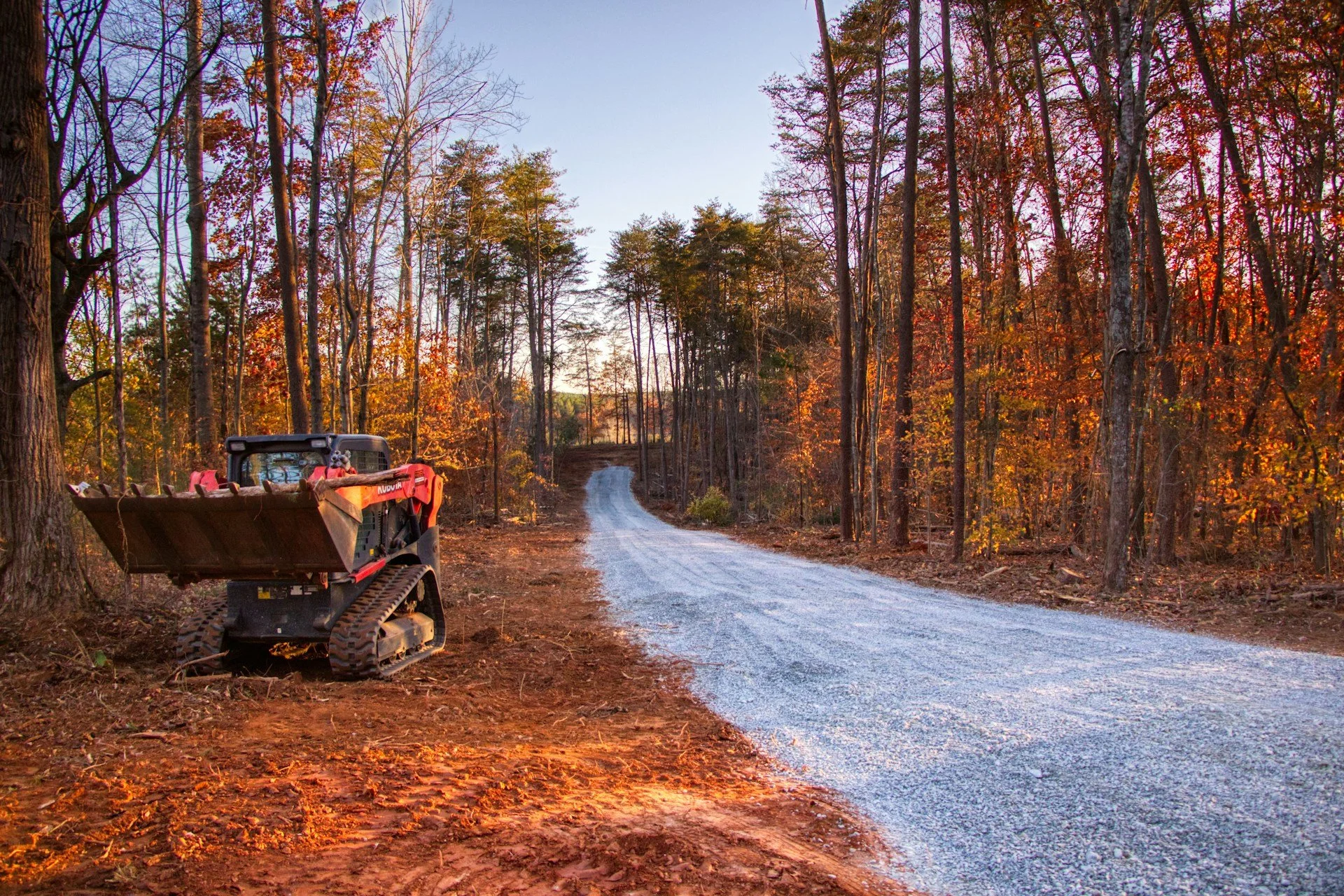
Once your immediate cleanup and vegetation control are handled, it’s time to consider the long-range version of what to do after forestry mulching.
This is where you start figuring out how to turn cleared acreage into something functional.
A. Fencing & Property Access
If your end goal is livestock, or you just want better security and privacy, forestry-mulched lines can create the perfect conditions for new perimeter fencing, utility access, future driveways, or gate entry points.
5K Land Management frequently returns to properties after mulching to help with prep for fence installation.
B. ROW & Utility Corridors
Maintaining right-of-way access is one of the major reasons people search for forestry mulching before and after comparisons. After the first mulching pass, ROW upkeep is inexpensive if you perform it yearly.
C. Construction Prep
If you’re prepping your land to build a barn, homesite, or commercial build, mulching is only the first phase. Some of your next steps might include:
Land grading
Dirt work and pad site installation
Driveway construction and culverts
Stump removal
D. Ongoing Brush Management
For landowners in need of low-maintenance acreage, there are a few options to consider:
Annual or bi-annual mowing
Spot spraying
Controlled grazing
Scheduled touch-ups
With ongoing strategies for what to do and how to clean up after forestry mulching or land clearing, you can keep your property from reverting to overgrowth so that it’s usable all year-round.
Mulching vs. Dozer Clearing
| Goal | After Forestry Mulching | After Dozer |
|---|---|---|
| Soil health | Mulch decomposes, improves nutrients | Soil often needs ripping and amendment |
| Cleanup needed | Minimal, as chips are left in place | Heavy debris piles to burn or haul |
| Erosion control | Natural mulch acts as a blanket | Requires seeding and soil stabilization |
| Pasture prep | Spray and seed over mulch layer | Requires smoothing, grading, debris removal |
| Cost of next steps | Typically lower | Often higher due to cleanup |
When to Call a Professional
If you’re still unsure what to do, what to spray, or how to clean up after forestry mulching, a walkthrough with a trained operator can save you from having to go through months of trial and error.
Explore our before and after photos and get a follow-up consultation with 5K Land Management for acreage clearing, lot clearing, or anything involving construction prep.