
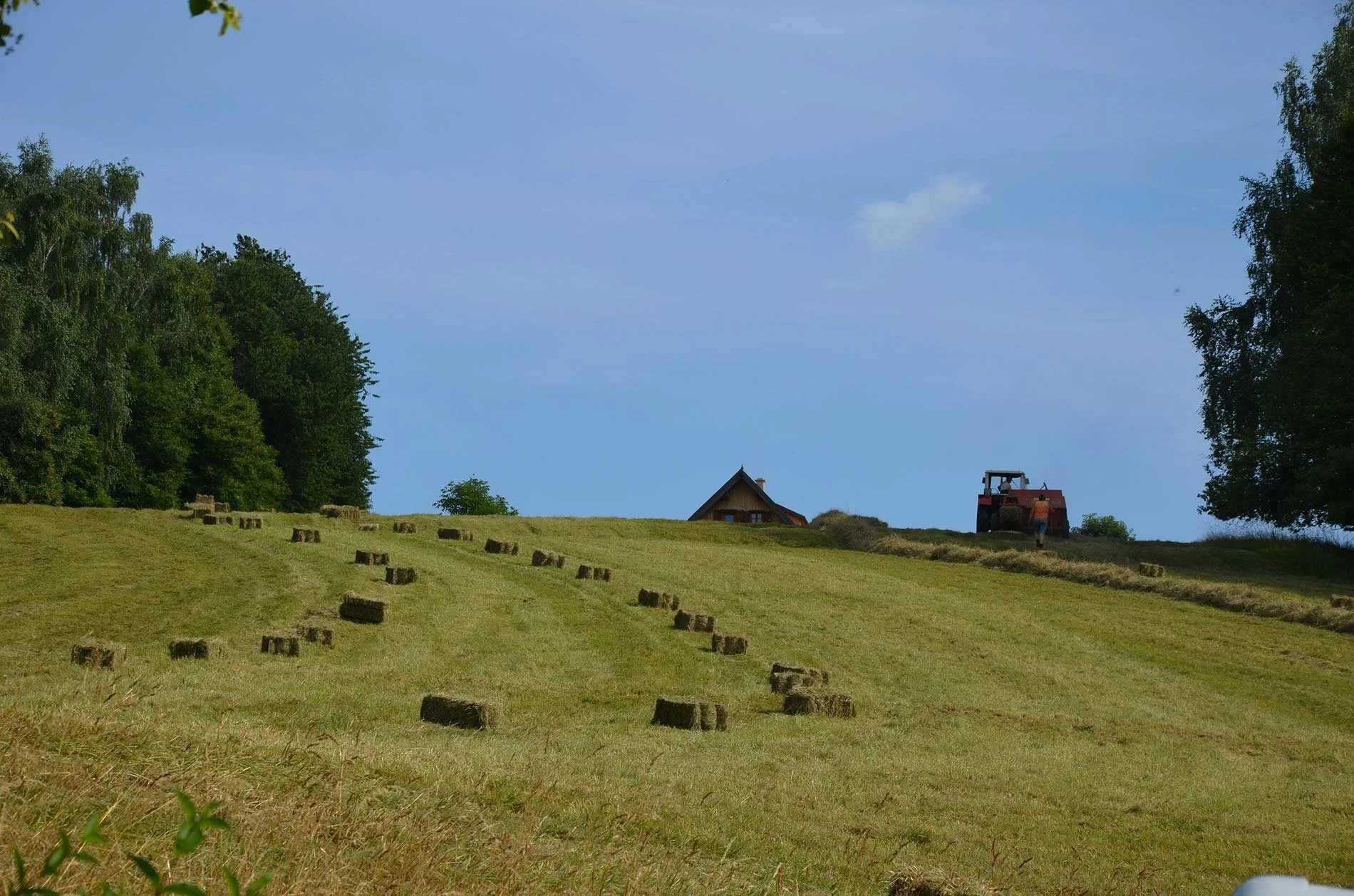
Pasture Reclamation in Texas & Oklahoma
Overgrown grass. Encroaching brush. Disappearing grazing space. This is the reality for thousands of rural landowners throughout Texas and Oklahoma. However, that doesn't mean it has to be this way. Pasture reclamation is the process of restoring neglected, brush-choked acreage back into clean, productive grazing land.
At 5K Land Management, we treat this method as a transformative process. Beyond mowing, it helps rebuild soil, open forage space, and provide landowners with usable pasture they can finally put to work.
If you're planning to reclaim overgrown pasture land, expand your land for cattle, or prep acreage for fencing, water access, or resale, our team offers the right approach for landowners across North Texas and Southern Oklahoma.
What is Pasture Reclamation?
Pasture reclamation is a one-time restoration service designed to recover land that has been overtaken by brush, saplings, invasive species, erosion, or years of neglect. While general land clearing removes vegetation in a broad sense, this service focuses specifically on rebuilding grazing function and long-term health for the land.
Landowners throughout Texas and Oklahoma rely on this service to:
Reestablish clean, open pasture for horses, cattle, and wildlife
Reverse years of cedar, mesquite, or greenbriar take over
Improve soil exposure for reseeding native grasses
Prep acreage for future improvements, such as fencing, water lines, barns, or driveways
Reduce wildfire vulnerability with fire mitigation for overgrown pastures
In essence, pasture reclamation is a way to reset your acreage and get the kind of usability you typically only find at day one.
What Pasture Reclamation Includes
5K Land Management uses high-horsepower mulchers, dozers, and skid steers to restore heavily degraded acres. A typical project will include:
Brush + Tree Removal
We cut and mulch thick underbrush, saplings, and invasive trees common in the region.
Pasture clearing in Texas and Oklahoma differs in this regard, as each region has its own problem species. Cedar is often more of an issue in Oklahoma, while mesquite and huisache are more invasive in Texas.
Surface Cleanup + Smoothing
To make it ready for livestock and equipment, reclaimed pasture requires a bit of extra TLC. That includes:
Removing stumps, thorny species, and debris
Knocking down ruts and uneven patches
Opening up drainage flow for better long-term stability
Invasive Species Control
It's important to control regrowth for complete restoration. As part of pasture reclamation, we address species that compete with forward grasses, such as greenbriar, cedar, elm, and certain broadleaf weeds.
Grass + Forage Restoration Prep
This step marks the transition of the acreage back into functional grazing land. We create the necessary conditions to reseed native Texas and Oklahoma grass mixes and restore grazing pasture. This part of the process also improves the topsoil’s exposure for better water retention.
How You Can Benefit from Pasture Reclamation
1. Increased Grazing Capacity
Choked out acreage that has been recovered often doubles as a usable grazing zone. That's often why ranchers looking to reclaim overgrown pasture land opt for heavy-equipment reclamation rather than basic mowing.
2. Higher Property Value
Cleaner acreage is much easier to fence, subdivide, lease, graze, or sell. Many rural landowners see noticeable increases in their appraisal values once they have functional pastures.
3. Safety and Fire Mitigation
Dense underbrush is excellent fuel. That's why removing it is one of the most important fire mitigation protocols for overgrown pastures. Without underbrush, you can improve your perimeter security and lessen the heat intensity of any fires that break out.
4. Better Long-Term Usability
Reclaimed pastures can support future improvements, such as:
New fences
Livestock rotation systems
Water troughs or pond construction
Entry roads or driveways
If you're looking to reclaim pasture for cattle or horses, this is the foundational step.
Pasture Clearing in Texas vs. Oklahoma
Pasture clearing in Texas often involves mesquite, huisache, prickly pear, and heavy clay soils. We work in several locations throughout Wise, Jack, Montague, and Parker counties, and beyond.
On the other hand, pasture clearing in Oklahoma often means cedar, elm, and thick briar, often found in counties like Carter, Love, Jefferson, and Marshall.
Our equipment fleet is built for just about any environment in these regions, so no matter if you own flat land or rocky terrain with rolling hills, our services can work for you.
Reclamation vs. Land Clearing vs. Tractor Mowing
| Service | Purpose | Best For | Maintenance Needs |
|---|---|---|---|
| Pasture Reclamation | One-time restoration for degraded land | Overgrown pastures, invasive species removal | Occasional follow-up |
| Land Clearing | Broad removal of trees, brush, or terrain obstacles | Construction prep, large acreage projects | Project-specific |
| Tractor Mowing | Regular upkeep of pasture that's already clean | Maintaining forage height, yearly cleanup | Seasonal |
Once you’ve taken advantage of our pasture reclamation services, see how our tractor mowing and underbrush clearing services can help with maintenance.
What to Expect
Several improvements come when you reclaim overgrown pasture land:
More sunlight for the soil
Healthier forage growth
Better visibility on property boundaries
Stronger grazing productivity
Less invasive brush regrowth
Better water movement
These reasons are why many landowners invest in our land reclamation services before fencing, livestock expansion, or resale.
Take the 5K Land Management Approach to Pasture Reclamation
Unlike companies that rely on subcontractors or small-scale machinery, 5K uses high-horsepower mulching equipment, large-frame skid steers, and a team of experienced operators familiar with the pasture ecosystems in both Texas and Oklahoma.
Simply put, we can help you reclaim overgrown pasture land faster and with fewer passes, making for better long-term success.
We also provide guidance on seeding options, water access planning, and rural pasture improvement services based on your county.
Get in touch with us today and give us details about your next project.
FAQs
-
Most 5-20-acre properties take around 1-3 days, depending on the density, terrain, and invasive species.
-
Definitely not. Selective pasture clearing in Texas and Oklahoma can help preserve shade trees, windbreaks, and desirable species.
-
Yes, depending on the forage density. In some cases, you may need to reseed your land or allow for natural grasses to rebound after about 30-90 days.