Key Takeaways:
The best way to create a plan is to consider the part of your property you want to prioritize.
Future homes, barndominiums, and shops need room for construction access as well as the building itself.
Old driveways and pond routes may need to be reopened before heavier work can reach the rest of the property.
Storm damage, buried fence lines, and years of woody growth can impact what equipment you need for the job.
A rural property can sit unused for years and come back looking very different. The driveway may be narrowed by overhanging limbs. Brush might cover up an old fence, and the back edges of your acreage might be difficult to reach without cutting a path in first.
For property owners looking into residential land clearing in Texas, getting the ground usable again is a matter of figuring out what they want from it. A future house calls for a different approach than pond access or old pasture reclamation.
Here are some of the main areas worth looking into before clearing starts.
Clearing an Overgrown Rural Homesite
An existing homesite gives you a good place to begin because it already has a purpose. You may need to make room around an old house, improve access from the road, or create a space to park equipment.
With rural property clearing, the first pass can focus on the part of the property you use every day. That might mean opening up the driveway or cutting back growth around an old outbuilding.
Inherited land deserves an extra walk-through before any heavy equipment is used. The new owner may not know where old wire is buried in the brush or where a former access lane runs. Dumped material and fallen trees might be hidden under years of growth. If you're in a very rural part of the state like Voss or Priddy, it may be worth opening just enough ground to see what's there before deciding how much more needs to come out.
Making Room for a Future Barndominium or Shop
Preparing rural acreage for a barndominium or shop takes more planning.
For starters, you have to account for how builders will reach it. There needs to be working room around the future pad and a route for deliveries. Think about where septic will go. Many rural Texas properties rely on onsite wastewater systems, and septic placement can depend on the site and soil conditions.
It's a good idea to have a rough site plan before clearing too much. In towns like Weatherford and Granbury, for example, there are lots of properties that have climate-adapted shade trees like Shumard and bur oak. You might want to keep these trees near a future building, which means you may need to open a separate route for construction traffic.
Opening Driveways and Access Roads Before Building
The better the access, the faster a clearing job can move.
If there are low-hanging tree limbs and brush around the corners of an old rural driveway, it can limit how much of it is usable. Washouts and soft sections can be major issues once you start moving trailers and heavier machinery onto the property. Think of these access routes as part of the property instead of paths to the property.
Reopening Fence Lines
An overgrown fence line is harder to repair since you can't easily see what shape the fence is in. Saplings can grow through old wire and brush can block room for tools and equipment.
With our brush clearing services, we can open enough working room along the fence without taking out a broad strip of otherwise usable land. Once the route is visible again, it's much easier to find broken wire, damaged posts, and sections that might need to be replaced.
This is a very important part of the process if you plan on installing new fencing along an older property line.
Restoring Pond Access Safely
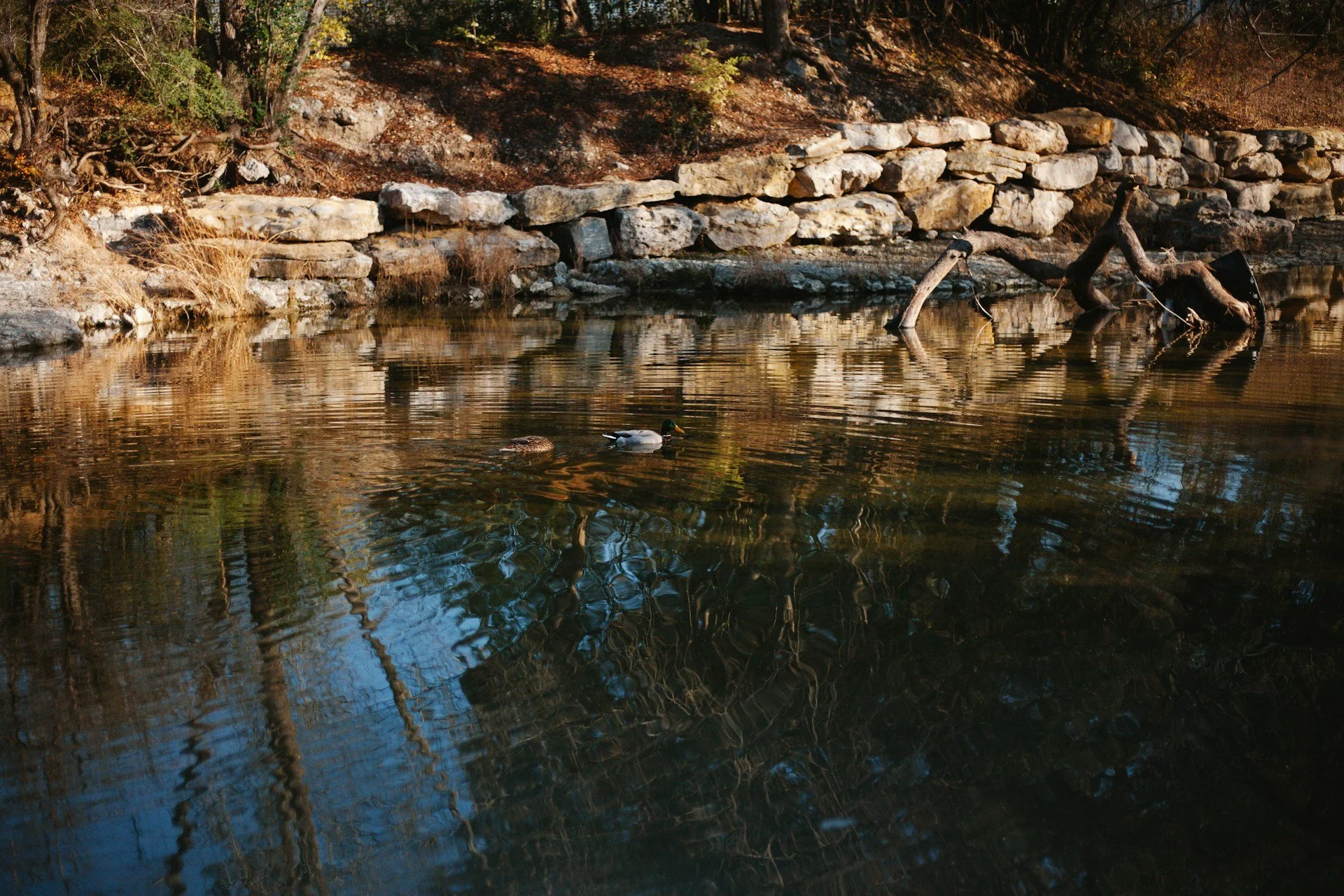
Pond access usually requires a lighter touch than clearing dry ground.
For starters, the route down to the pond might need brush removed so a truck or tractor can reach the water. Then, if there are any fallen limbs or thick growth blocking the bank, those will need to be removed before the condition of the pond can be assessed.
Regular walking inspections of ponds are crucial to keeping them healthy, and keeping a usable route around the water makes those inspections a lot easier.
Work with a crew that understands the level of care that needs to be taken around soft banks. If heavy equipment is driven through saturated ground, it can create ruts, which can turn into major drainage issues.
Dealing With Storm Debris During the Clearing Process
Storms in Texas can be intense during certain parts of the year. Ice and strong winds can snap limbs or break larger branches, which can get tangled up in brush and make it more difficult to clear.
After a hard storm, one of the first things we typically do is break large debris down to access any brush that needs to be cleared away.
Matching the Clearing Method to the Land Use
Good land clearing services should leave room for different approaches on the same property.
If we’re working with a brushy trail, for example, it may be a good candidate for forestry mulching. A future building area, on the other hand, may need trees and stumps removed completely.
Large tracts of land can have varied terrain, which is why no land clearing job should treat every acre the same.
Making Your Texas Property Usable Again
If your rural acreage has become difficult to manage or you're clearing land for a homesite, shop, pond maintenance, or some other project, 5K Land Management can take a look at it and help figure out the best plan.