Commercial Site Prep for Dallas County's Warehouse and Logistics Boom
Key Takeaways:
Dallas County’s warehouse development is part of a much larger DFW industrial Market that includes the AllianceTexas logistics hub in North Fort Worth.
Warehouse and distribution center projects may require extensive tree, stump, and root removal
A pad-ready site must meet the project's grading and soil requirements, with drainage planned before major earthwork.
Dallas-Fort Worth continues to see substantial industrial development, with warehouse and distribution projects remaining an important part of the region’s construction activity, according to JJL’s second-quarter 2026 industrial report.
For developers and general contractors who are evaluating raw acreage, site preparation in Dallas County needs to account for everything that happens before the concrete is poured.
A cleared lot may give the construction team room to work, but getting the ground ready for a warehouse requires having a defined scope for vegetation removal, grading, drainage, and access.
Here’s what needs to be addressed before construction gets underway.
Evaluating the Property Ahead of Time
The clearing crew needs to know where the work starts and stops before bringing machines onto the property.
For commercial lot clearing, it's important to establish a site plan using a proposed building footprint to see what areas are needed for construction access. The same goes for existing utilities and drainage features.
Developers should also confirm the property’s permitting requirements right off the bat. Dallas County requires development permits for activities like grading and filling in unincorporated areas. Projects inside city limits fall under the applicable municipality's requirements.
Clearing the Full Construction Area, Including Roots and Stumps
With distribution center land clearing, the designated construction area typically needs more extensive vegetation removal than a pasture or wooded access route.
Trees and heavy brush need to come out of the building footprint. Stumps and buried organic material must also be addressed wherever the project’s earthwork specifications require their removal.
Leaving roots beneath the future building pad can interfere with the soil preparation. A stump in the proposed truck court can become a very expensive problem once you already have grading equipment working around it.
There can be several types of methods used during a commercial land clearing job. Forestry mulching might be useful along designated outer sections, while the building's footprint may require heavier removal, getting under the ground and pulling out roots. The limits for the type of clearing and any disposal requirements should come from the approved plans. There’s little benefit in processing brush into mulch if the grading contractor has to remove that material before getting started.
What Does Pad-Ready Mean for a Warehouse Build?
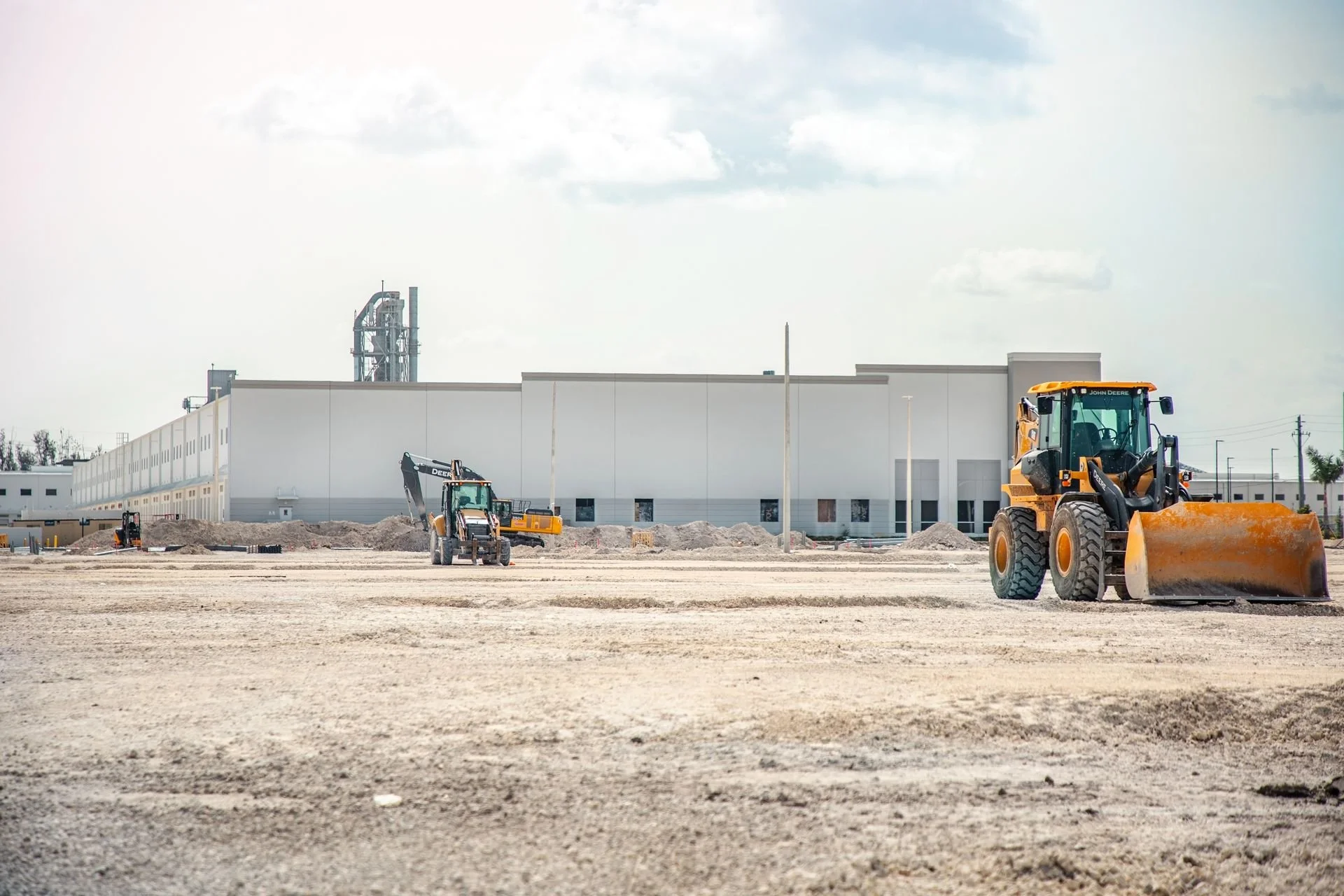
A pad-ready commercial site has to meet the requirements established for the next phase of construction. With warehouse site preparation, the exact deliverable should be agreed on before work starts.
There are four things a project team should confirm before accepting the pad:
Vegetation removal: Have the required trees, roots, and unsuitable organic materials been removed from the designated area?
Grading: Does the site meet the elevations and tolerances shown in the approved plans?
Soil requirements: Has the responsible contractor completed the required compaction work and testing?
Construction readiness: Can the next crew access the pad and begin its scheduled work?
Planning Drainage Before Moving Large Amounts of Dirt
Grading can change how water travels across the property.
Once you've removed vegetation, the soil is exposed. When hard rain comes along, it can wash sediment into low areas or leave ruts across temporary roads. Runoff needs somewhere to go during construction. That’s why you need an approved drainage plan that guides the clearing work.
Texas has specific rules for construction stormwater. Under the TCEQ Construction General Permit, projects disturbing at least one acre, including qualifying portions of larger developments, are generally subject to permit requirements. Covered operators must develop and implement a Stormwater Pollution Prevention Plan before construction starts.
Opening Access for Construction Traffic and Utility Work
The International Inland Port of Dallas has connections to I-20, I-35, and I-45. For developers, the main question is how construction trucks and heavy equipment will get from those major roads onto the property and reach the work area.
Temporary entrances may need widening, and low limbs can interfere with taller trucks. Part of logistics corridor clearing for a contractor is establishing where equipment can turn around and where materials will be unloaded.
In terms of utilities, contractors can request locations for underground utility work via Texas 811 before excavation starts.
Scheduling Debris Haul-Off
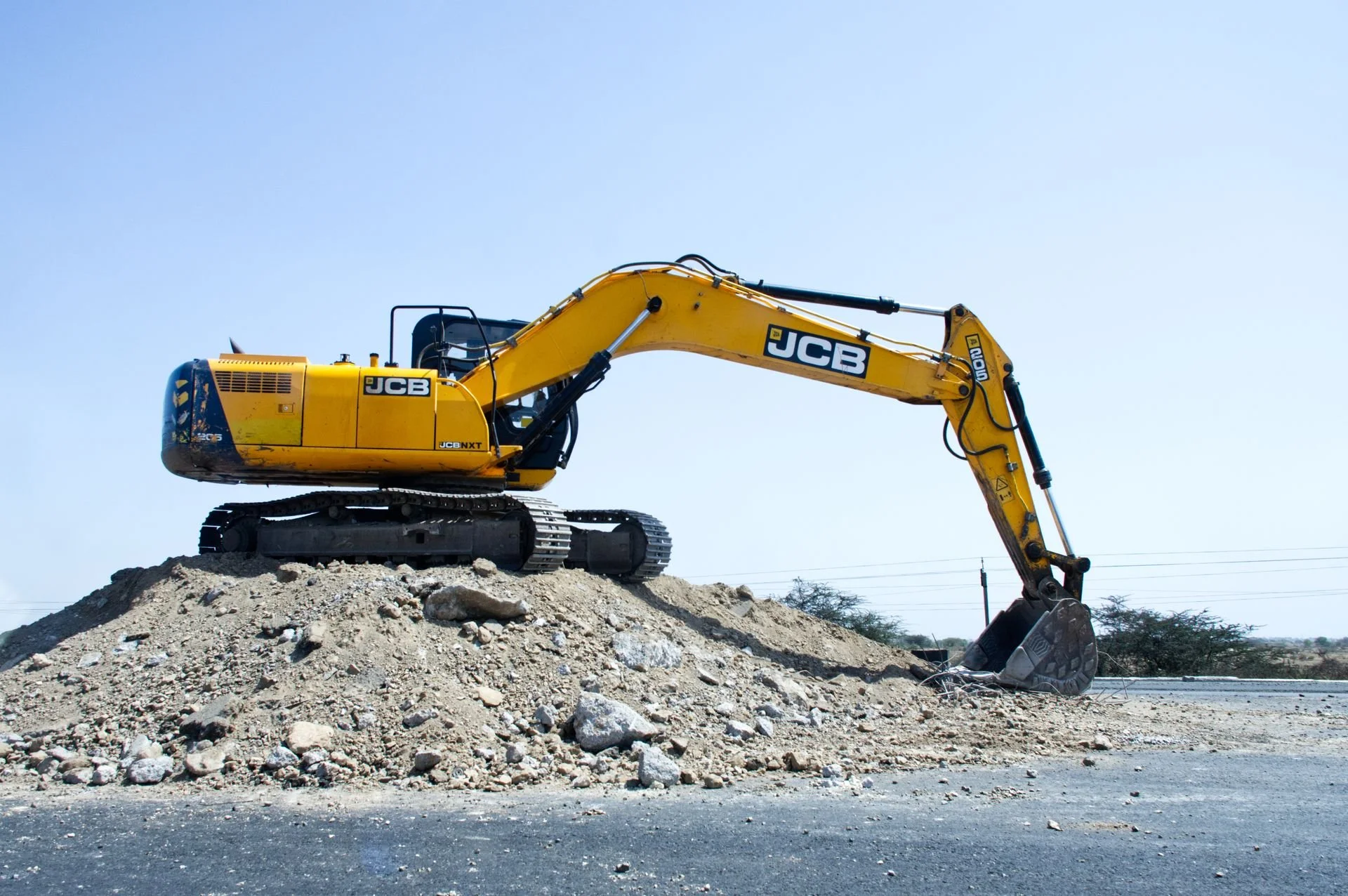
The cleanup schedule is just as important as the clearing itself.
During warehouse construction site prep, a general contractor may need sections of the property released at different times. The building footprint might need to be cleared first, followed by the truck court or utility corridors.
If a grading contractor arrives on Monday only to find the construction entrance blocked by several large debris piles, it could take until the weekend to start the next phase.
The clearing crew and general contractor should agree on which materials need to be processed on site and which ones need to be hauled away.
Confirming the Site Is Ready for the Next Contractor
Before signing off on the clearing phase, the project team should walk through the work area and compare the completed scope against the plans. Look for remaining stumps or anything obstructing access. Confirm that the grading or testing that was assigned to the site-preparation contractor has been completed.
The clearing contractor should establish which areas are available to the next crew and whether there's any outstanding work that could interfere with the schedule.
Get Your Commercial Site Ready for Construction
5K Land Management works with developers and contractors on large-scale clearing and site preparation using in-house equipment and operators.
Tell us about your Dallas County property, the clearing limits, and your construction timeline. We’ll review the scope and provide a custom quote for the work.