Lake Ray Roberts and Lewisville Lake: Land Clearing Near Denton County's Waterways
Key Takeaways:
Land that's next to Lake Ray Roberts or Lewisville Lake requires a different approach to land clearing than inland acreage.
Any clearing that takes place near the water should account for erosion, runoff, seasonal access, and important vegetation.
5K Land Management helps landowners and developers build clearing plans based on the intended use of their property.
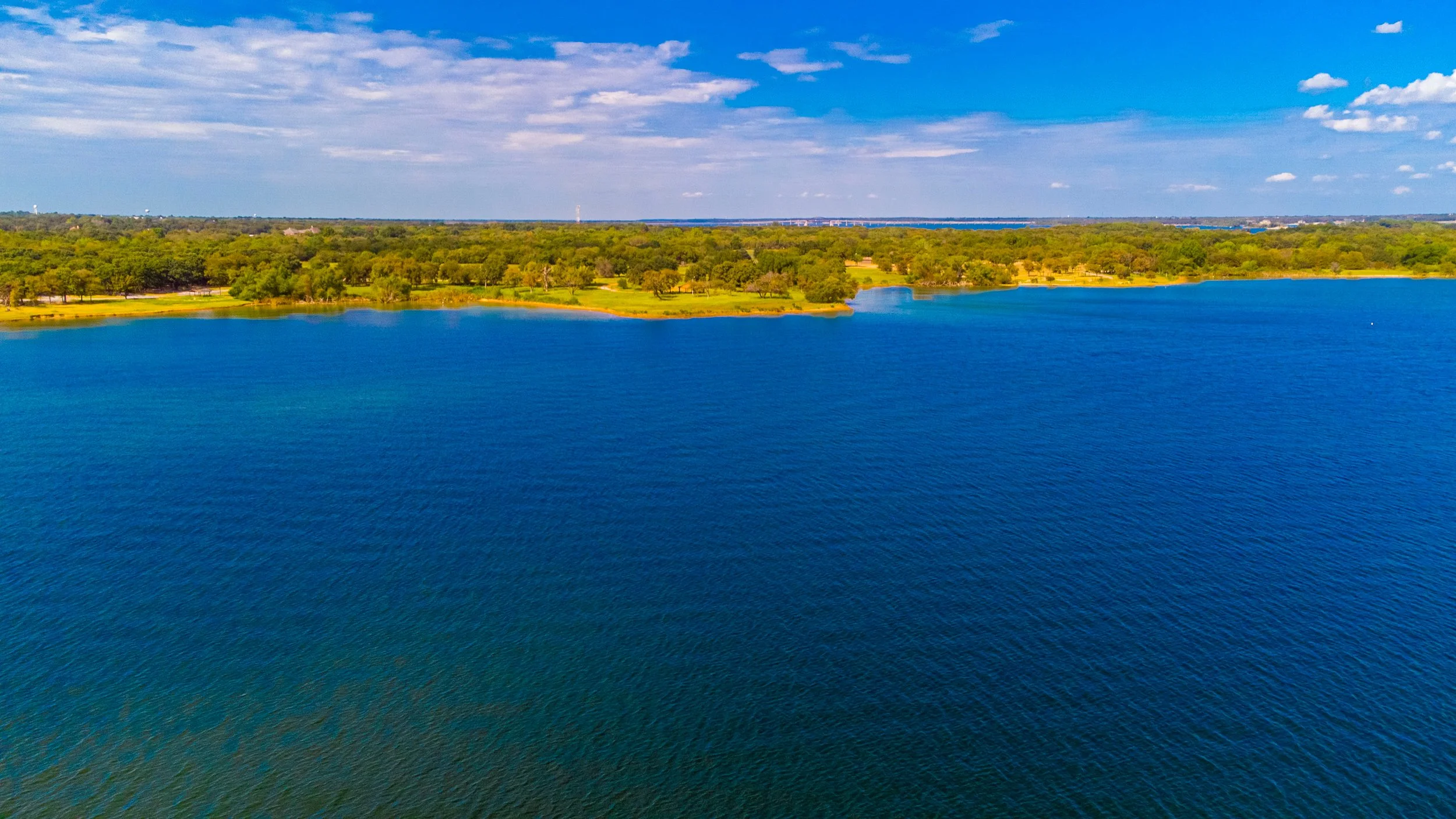
Land out near Lake Ray Roberts and Lewisville Lake can be valuable, but it can also be touchier than tracts further inland. Clearing next to the water brings entirely unique concerns, like runoff and erosion.
That's why Lake Ray Roberts and Lewisville Lake land clearing requires a more careful plan. The work may involve shoreline rules, soft soil, drainage paths, old access lanes, and vegetation, which all play a role in holding the soil in place.
That raises the question, “What should property owners look for before clearing land near these waterways?”
Check the Property Rules Before Clearing
If you're planning a clearing project near Lake Ray Roberts, check with Denton County Development Services to confirm the property's zoning status. Denton County has a specific planning and zoning district for Ray Roberts Lake development, and the office can tell you whether your specific property’s zoning status will have an impact on what you can clear or build.
Zoning lines can be complicated, so don't guess based on a neighbor's project. Two nearby tracts may sit under different restrictions or easements.
The Lake Ray Roberts Land Use Ordinance is a key document here, so make sure to do your due diligence and look it over before making any plans.
The Unique Challenges of Lakefront Clearing
With inland acreage, the typical things we need to worry about are access, brush density, whether the site is a future build area, and what the intended use is for the land. Lakefront land clearing adds another layer because the land is tied to water movement.
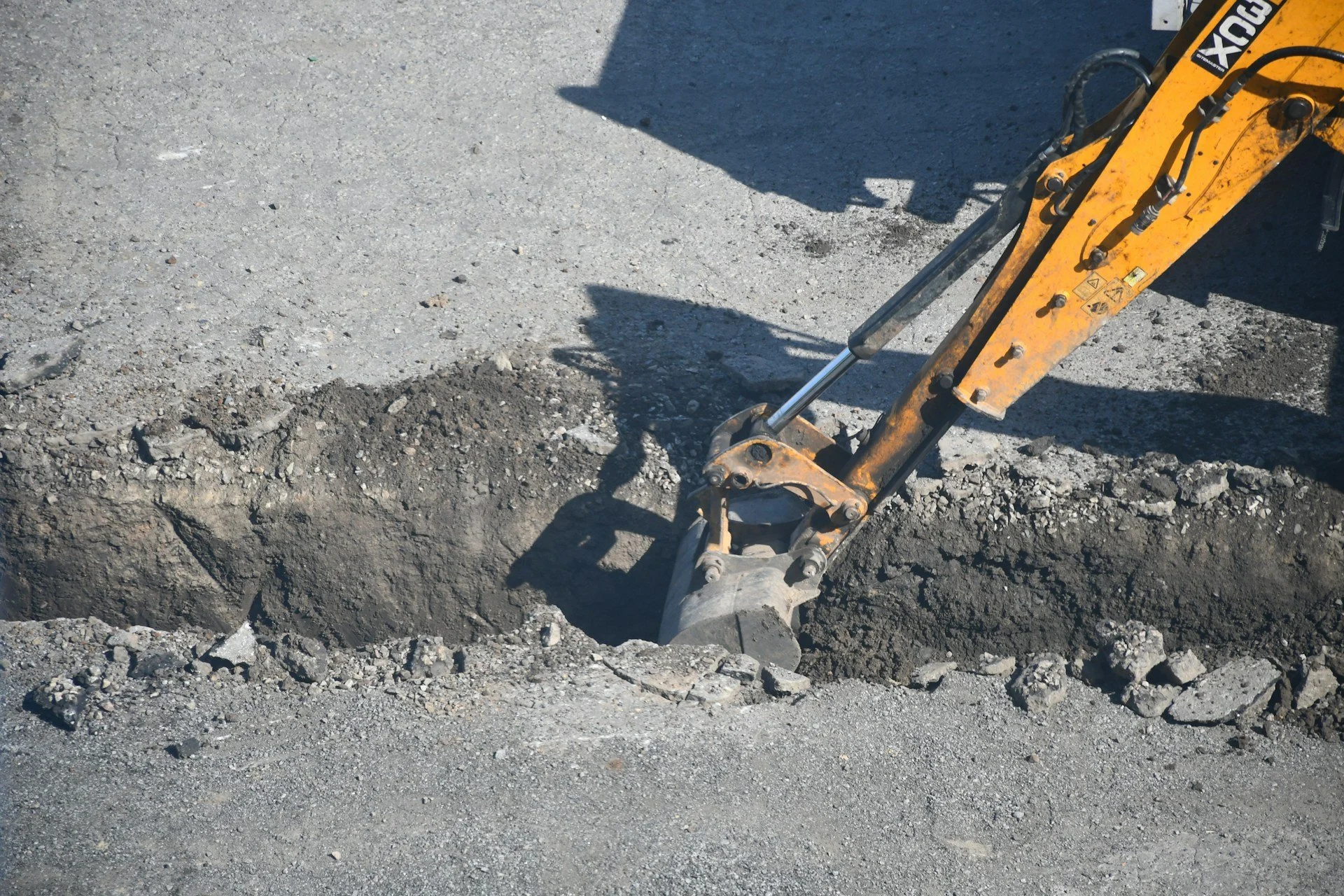
A heavy clearing job near a shoreline, pond, creek, or drainage path can expose the soil. Once rainwater starts moving across the ground, ruts can turn into little gutters. Loose soil can move downhill, and brush piles pushed into the wrong spot can create a greater need for cleanup.
With waterfront property clearing, the harder call is figuring out what you can open up without stripping the ground too bare near the water. Even if a crew has to remove the problematic tree or clear an access lane, there still needs to be enough root structure or ground cover to hold the soil together after rain.
Erosion, Drainage, and Vegetation Buffers
Vegetation next to the water isn't always wasted growth. Roots can help hold the soil down. Low plants can slow runoff. Tree and brush cover can protect soft soil from getting chewed up after hard rain.
The point is that you can't treat land near water like dry upland brush. That doesn't mean clearing is off the table. The process just needs more restraint.
Before clearing, crews should look closely at:
Bare soil that could wash out after rain
Soft banks that may not be able to hold equipment
Drainage paths that carry water downhill
Loose debris that could move toward the lake
Slopes where equipment ruts could funnel runoff
The same kind of planning applies to pond restoration and working around other smaller water features.
Building, Selling, or Improving Lake-Adjacent Land
The next question to ask is, “What is the ultimate plan for the land?”
If the landowner is planning new residential construction and needs lake house site prep, that might include:
Access clearing
Debris cleanup
Someone who's planning on selling their land may prioritize making the lot easier to access before it goes on the market.
The type of land or lot clearing should match the goal.
How Seasonal Access Can Impact the Plan
Land near the water can be stubborn. We often run into shady low spots that stay wet for days, long after the land around them has dried out. Old paths that run down toward the lake may be fine all summer, but become a mess after a stormy week. Steeper sections can also make it difficult to move large equipment.
Timing can have a huge impact on a land clearing job. There are times when it's necessary to wait for a drier window to get to work.
Plus, with rain, water levels in the lake can change. Depending on how close your property is to the lake, that might have to be factored into the decision.
Denton County Lake Growth Is Bringing More Attention to the Area
Denton County has been pulling quite a bit of interest from homebuyers, builders, and developers over the past decade. We’re seeing more custom home projects and early development reviews than we ever have. USACE recently made note of the growth spurt in the area, which is courtesy of the suburban expansion happening in the DFW area.
But that continued growth around Denton County’s lakes doesn't change the fact that each property requires a unique clearing plan based on its terrain and proximity to the shoreline.
What 5K Looks at Before Lake Clearing
Because every property is unique, 5K Land Management’s clearing work is on a site-by-site basis. And as a clearing company that's worked on several lake-adjacent homesites near Lake Ray Roberts and Lewisville Lake, we've developed careful strategies to determine the best approach for each project.
Before clearing starts, it helps to sort out:
Where the property sits in relation to the lake
What needs to be cleared and what can stay
How equipment will make it into the work area
Where brush, trees, stones, and debris will go
What the planned use of the property is
Create a Clearing Plan
If you own land near Lake Ray Roberts or Lewisville Lake and need clearing work, get in touch with our team at 5K Land Management. We’ll come take a look at the site and help you put a plan together with your goals in mind.