Preparing Land for Power Line and Transmission Projects: Why Right-of-Way Clearing Comes First
Key Takeaways
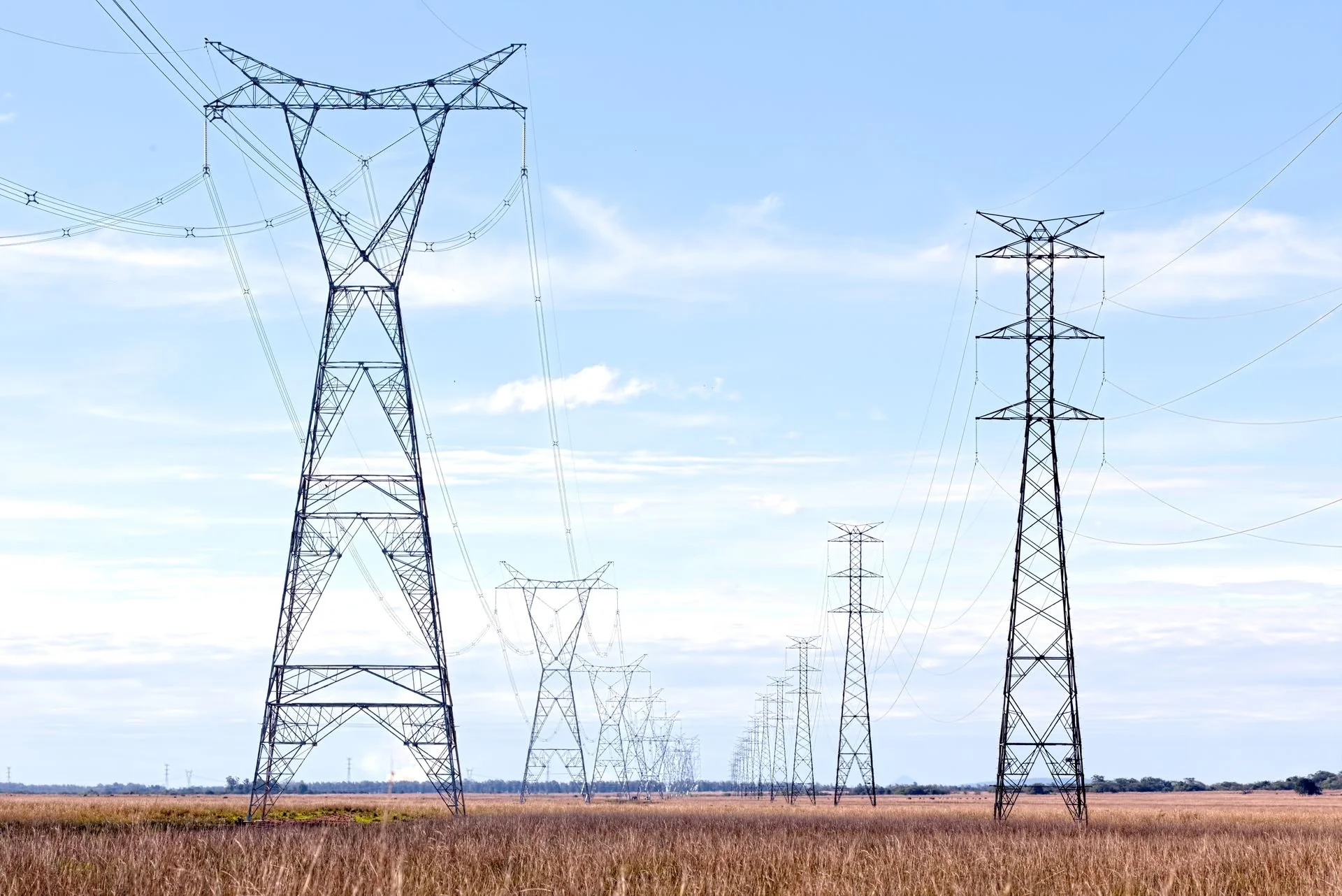
Power line right-of-way clearing is typically one of the first steps in preparing rural land for a transmission or utility project.
Vegetation, brush, stumps, and debris left unaddressed can delay crews, engineers, and inspection teams once work begins.
Access roads, gates, staging areas, and easements often need to be cleared or reopened before equipment can safely reach the site.
Larger rural tracts, ranch land, and wooded acreage typically require more preparation than a small residential lot.
5K Land Management focuses on the land preparation side of these projects: clearing, access, and vegetation, not utility design or construction.
Power line, transmission, and utility projects rarely start with the actual construction work. Before crews, engineers, or inspection teams can move equipment onto a site, the land itself usually needs attention. Power line right-of-way clearing prepares rural acreage, utility easements, and transmission routes for the work that follows, whether that's a new line, a substation, or a broader infrastructure corridor.
Why Right-of-Way Clearing Comes Before Construction
Utility and infrastructure crews need a usable corridor before they can begin installing poles, running lines, or inspecting existing infrastructure. Trees, brush, and terrain left unaddressed can slow down a project before it even starts.
5K Land Management supports this stage of larger power line and transmission projects by handling power line right-of-way clearing and related vegetation management, without stepping into the engineering or construction side of the work. That distinction matters for utility contractors and project managers who need a land preparation partner rather than a design firm.
What Slows Down Utility and Infrastructure Crews
A handful of conditions tend to cause the most delays once a project is underway.
Standing trees, brush, and stumps within or near the planned corridor
Debris left from prior land use or storm damage
Uneven terrain that limits where equipment can safely travel
Access points that haven't been maintained in years
Left unresolved, any of these can push back a project timeline that was otherwise ready to move forward.
Creating Safe Access for Trucks, Equipment, and Crews
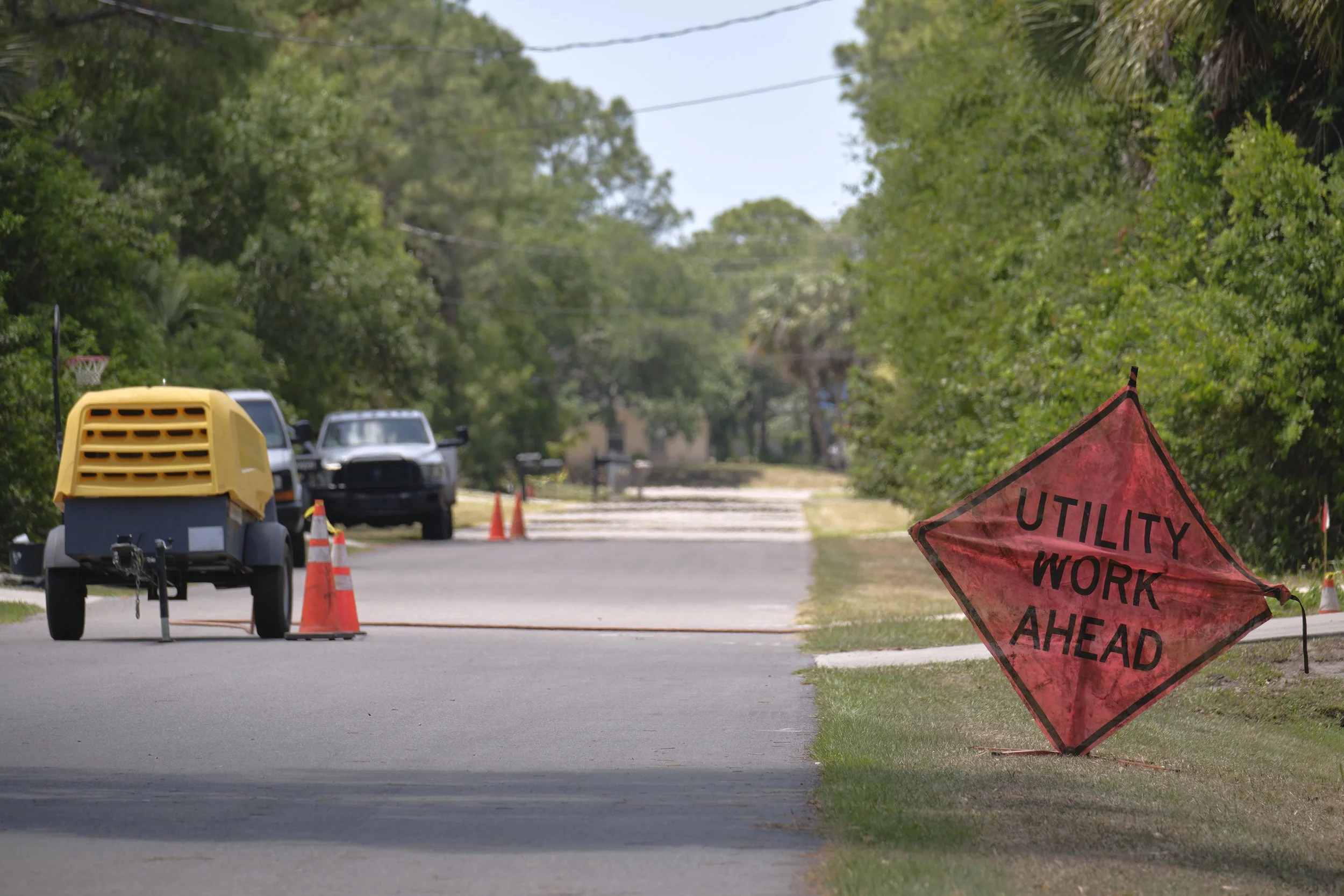
Reliable access matters just as much as the corridor itself. Trucks, heavy equipment, pole crews, and inspection teams all need a way to reach the site safely, and that often means clearing or reopening access roads, gates, staging areas, and easements that haven't been used recently.
This need is even more pronounced on rural acreage, wooded land, ranch properties, and undeveloped tracts, where existing infrastructure is often minimal. A smaller property might only need one access point addressed, while a large transmission route can involve staging areas and access corridors spread across several miles.
Overhead Lines, Underground Routes, and General Utility Access
Clearing needs differ depending on the type of work planned. Overhead power line infrastructure typically requires a cleared corridor with ongoing vegetation clearance beneath and around the line. Underground power transmission lines call for a different kind of preparation, since trenching and routing depend on clear, accessible ground rather than overhead clearance.
General utility access, including installing utilities on land for smaller-scale rural connections, still benefits from the same basic preparation: a clear, stable route that equipment and crews can use safely.
How Terrain, Drainage, and Weather Affect Timing
Site conditions can shift a project's timeline more than people expect. Drainage patterns, soil conditions, low water crossings, and slope all affect where and how a route can be cleared and used. Wet weather can turn a manageable crossing into an impassable one for weeks at a time.
Planning around these conditions ahead of time helps keep a project on schedule instead of reacting to problems once crews are already on site.
Vegetation Management Doesn't End at Construction
Clearing a right-of-way once doesn't mean the work is finished. Brush and trees regrow, and ongoing vegetation management is typically needed to keep a corridor usable for inspection and maintenance crews long after the initial project wraps up. The Federal Energy Regulatory Commission notes that vegetation contact with transmission lines remains a leading cause of power outages, which is part of why ongoing clearance matters for US energy infrastructure.
Land clearing on the front end supports this longer-term maintenance need without replacing the utility's own vegetation management program.
Serving Utility and Infrastructure Projects Across Texas and Oklahoma
5K Land Management supports power line infrastructure, transmission routes, and rural utility projects across North Texas and Oklahoma. This work often overlaps with 5K Land Management's existing right-of-way maintenance services and our experience preparing sites for solar farm construction and subdivision development. Visit the 5K Land Management homepage or learn more on the About Us page to see the full scope of services available for larger commercial and infrastructure projects.
Frequently Asked Questions
Does 5K Land Management design or install power line infrastructure?
No. 5K Land Management handles land preparation, including clearing, access, and vegetation management. Utility design, engineering, and electrical installation remain the responsibility of the utility or its contractors.
How is clearing for a transmission line different from clearing for underground utilities?
Overhead transmission work typically needs a cleared corridor with ongoing vegetation clearance, while underground routes depend more on accessible, stable ground for trenching and routing equipment.
Why does clearing need to happen again after a project is finished?
Brush and trees regrow over time, and utilities typically require ongoing vegetation management to keep a right-of-way clear for future inspection and maintenance work.
Get Land Prepared for Your Power Line or Transmission Project
Getting electricity to rural land, ranch properties, and undeveloped tracts usually starts with clearing the way for crews and equipment to do their work safely. Utility contractors, developers, and landowners preparing for a power line or transmission project can request a custom quote from 5K Land Management to discuss the right-of-way and access work involved.