Brush Clearing in Oklahoma: What Rural Landowners Should Know
Key Takeaways
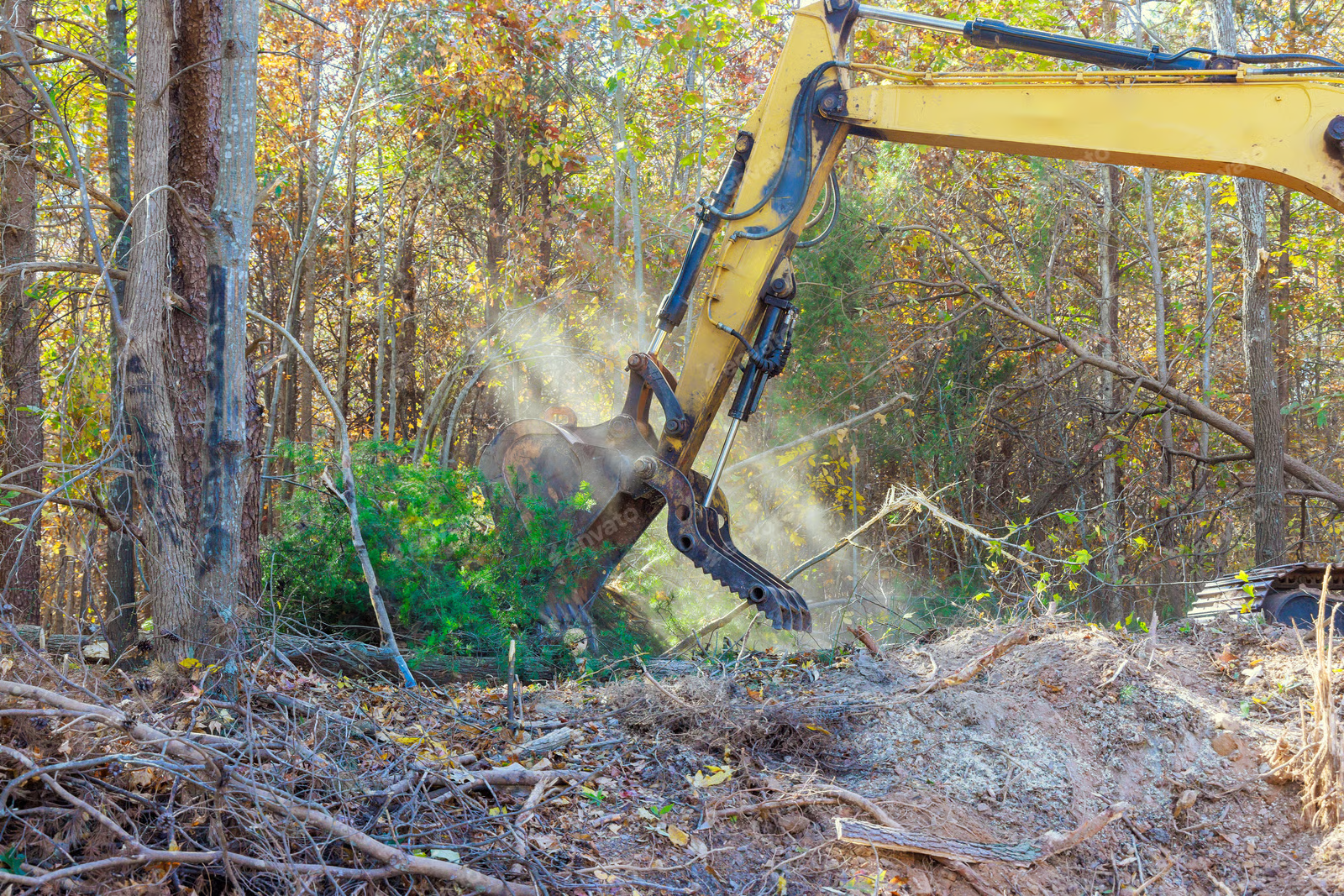
Brush clearing in Oklahoma usually starts with a walk of the property to see what's actually grown in over the years
Saplings, underbrush, and thorny growth often signal that mowing alone won't solve the problem anymore.
Access roads, fence lines, and pasture edges are usually the first areas worth checking for overgrowth.
Storm debris and downed limbs should be addressed separately from routine brush management.
5K Land Management helps landowners figure out whether they need mowing, underbrush clearing, forestry mulching, or heavier clearing.
Rural landowners across Oklahoma often reach a point where the land needs more than a mower can handle. What a property needs from brush clearing in Oklahoma typically depends on how far things have progressed: a few scattered saplings call for a different approach than a fence line buried under years of underbrush. Knowing what to look for helps landowners choose the right service instead of guessing.
How to Evaluate Brush Growth on Your Property
A useful first step is walking the property and noting where growth has taken over. Saplings scattered across a pasture are a different problem than a solid wall of underbrush along a fence line or tree line.
Density matters as much as size. A few small trees might only need spot clearing, while thick, tangled underbrush across several acres usually points toward brush clearing service work rather than a weekend of mowing.
Access Issues That Signal It's Time to Act
Overgrown access roads and blocked gates are often the clearest sign that brush has gotten ahead of routine maintenance. If a truck or ATV can no longer reach the back of a property, that's usually where brush clearing in Oklahoma needs to start.
Rural land clearing that begins with access gives a much better view of how far the problem actually extends across the rest of the property.
Pasture Edges and Grazing Land
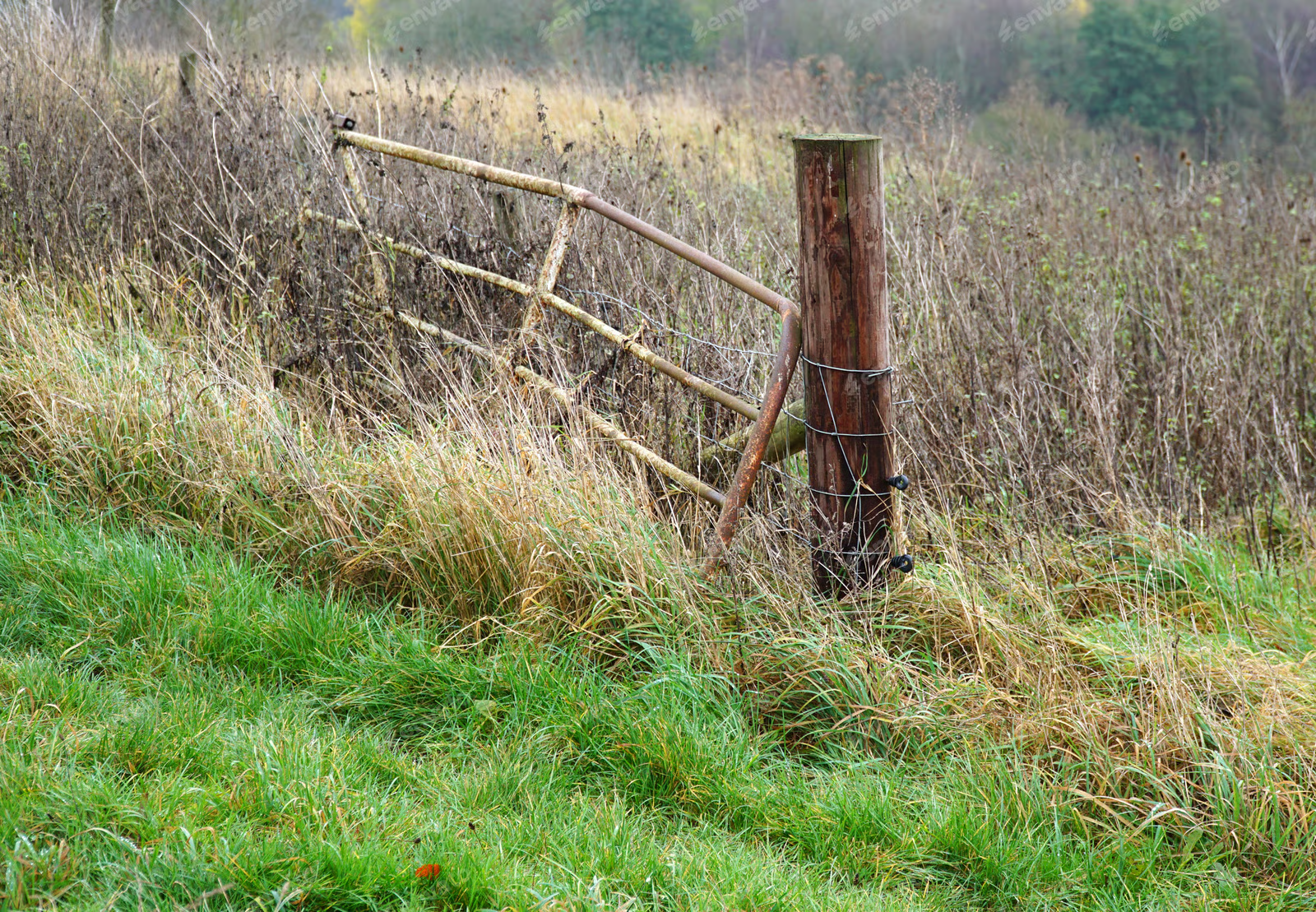
Brush creeping in from fence lines is one of the most common complaints among Oklahoma landowners running cattle or maintaining hay ground. Left alone, encroaching brush slowly shrinks usable pasture year after year.
Clearing pasture edges before they become a bigger problem is usually more affordable than waiting until brush has taken over a significant portion of the grazing area.
Clearing for Hunting Land
Hunting properties have different priorities than working pastures. Sightlines, food plot access, and trail clearing matter more than a manicured look, and landowners typically want underbrush thinned rather than removed entirely.
Underbrush clearing for Oklahoma hunting tracts often focuses on improving movement and visibility while preserving enough cover to keep the land attractive to wildlife.
Storm Debris and Seasonal Cleanup
Oklahoma's storm season regularly leaves behind fallen limbs, downed trees, and scattered debris on rural properties. This kind of cleanup is usually a separate job from routine brush management, since it needs to happen quickly regardless of season.
Addressing storm debris promptly helps prevent it from becoming tangled into new brush growth over the following year.
Mowing, Underbrush Clearing, Forestry Mulching, or Heavier Clearing
Deciding between these options usually comes down to what's actually growing and how much of the property is affected.
Mowing works for grass and light weeds, but not woody growth
Underbrush clearing handles thicker brush, vines, and saplings mowing can't touch
Forestry mulching suits larger areas with heavier brush and small trees
Heavier clearing becomes necessary when mature trees or dense woodland need to come out
The Noble Research Institute, based in nearby Ardmore, notes that choosing the right brush management method depends on budget, timeline, and the landowner's specific goals for the property.
How 5K Land Management Approaches Brush Clearing in Oklahoma
5K Land Management starts by walking or reviewing the property to see which of these categories actually applies. That evaluation keeps land clearing services matched to what a property needs instead of a one-size-fits-all package.
5K Land Management's own crew handles this work in-house, using equipment suited to everything from light underbrush to denser stands of small trees. Not all Oklahoma land clearing contractors offer this range of equipment in-house, which can affect both cost and scheduling on larger properties.
Serving Oklahoma Landowners
5K Land Management provides brush clearing for Oklahoma landowners throughout the region, including Watson, Valliant, Wright City, and Thackerville. For more on the difference between these services, see 5K Land Management's practical comparison of brush clearing versus underbrush clearing. Landowners managing hunting properties may also find our guide to managing brush for deer habitat improvement useful when planning a project. Visit the 5K Land Management homepage to learn more about the full range of services.
Frequently Asked Questions
How do I know if I need mowing or something more?
If a mower can't cut through the growth, or if brush keeps coming back within a season, it's usually time to consider underbrush clearing or forestry mulching instead.
Can brush clearing be done on just part of a property?
Yes. Many Oklahoma landowners clear a fence line, pasture edge, or access road first, then decide whether to address the rest of the property later.
Does clearing brush once mean it won't come back?
Not entirely. Brush and saplings tend to regrow over time, so most properties benefit from periodic maintenance rather than a single one-time clearing project.
Get Your Oklahoma Property Evaluated
Figuring out the right approach to brush clearing in Oklahoma often starts with a simple walkthrough to see what the property actually requires. Whether the issue is a blocked access road, encroaching pasture edges, or storm debris, landowners can request a custom quote from 5K Land Management to discuss the right approach.