How to Manage Brush for Deer Habitat Improvement
Key Takeaways:
The best approach to deer habitat improvement is managing brush strategically rather than opting for blanket clearing across the entire property.
Land can be harder to hunt and maintain when there's heavy brush blocking access.
Professional land clearing for deer hunting can support long-term use when done properly.
Even when deer are active throughout a hunting property, thick brush can make the land difficult to manage. If the brush is too thick, deer may move through areas you can't see. Food plots may be hard to reach, and interior trails may be unusable after rain.
By focusing on deer habitat improvement, you can create better access to food, bedding, and travel corridors, making it easier for you to hunt and maintain the land long-term.
Why Overgrown Brush Is an Issue for Deer Habitat
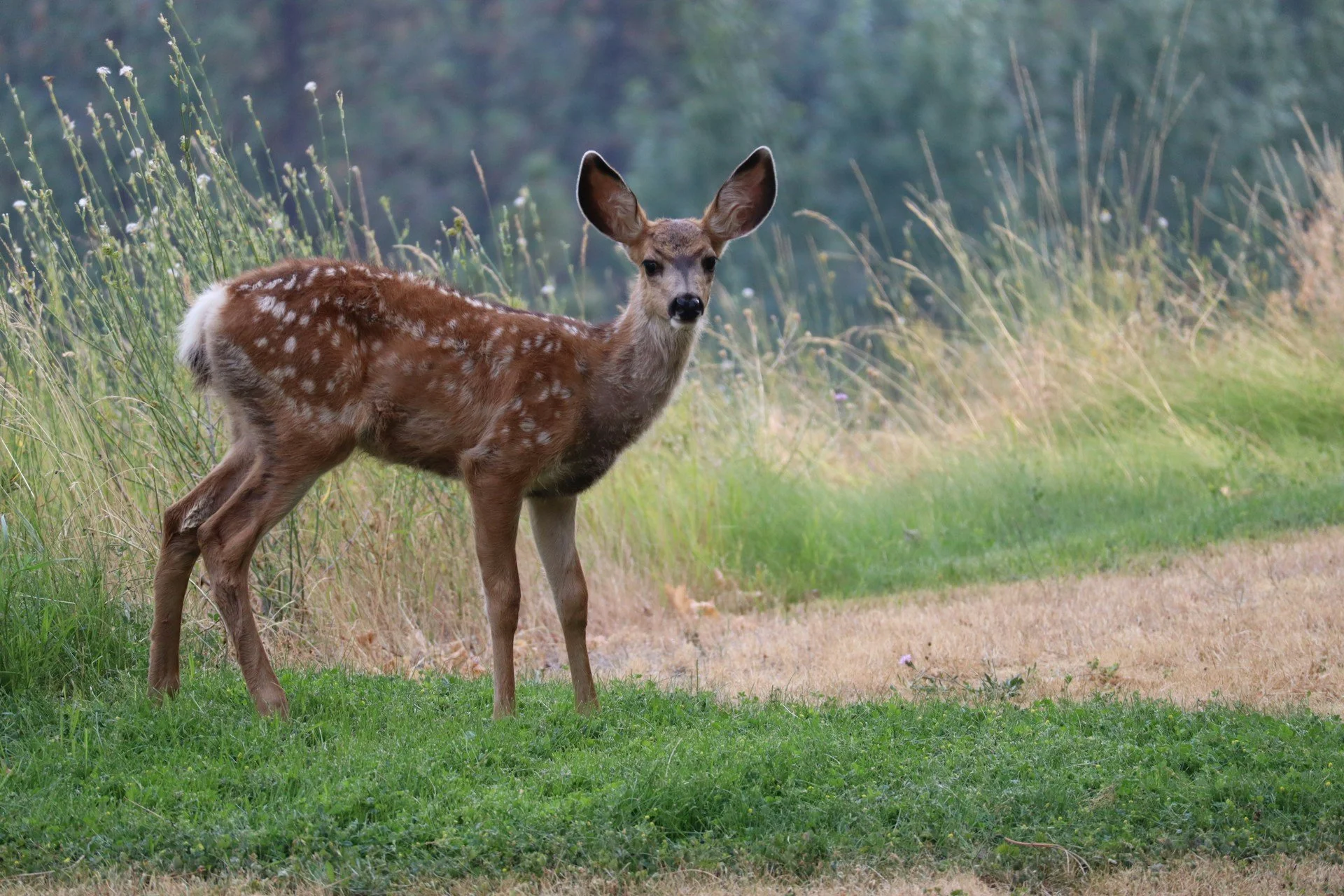
Brush has value. White-tailed deer use a lot of this brush and vegetation for food.
The problem is when it becomes too dense to work around. If you can’t access trails or fence lines on the property, the deer may also have a hard time moving visibly between water, bedding, cover, and openings.
Unmanaged brush can interfere with:
Travel between bedding and feeding areas
Access to food plots
Stand access and observation
Fence and trail maintenance
Long-term property upkeep
If you’re focused on clearing land for deer hunting, note that the goal isn't to strip the property bare, but to open the right areas up while keeping enough cover for deer to use the land naturally.
Deer Habitat Improvement Focuses on Cover and Openings
Thick cover isn't the only good characteristic of hunting grounds. You also need openings, browse, edge, movement, and usable corridors for deer to travel.
There are a few basic elements to focus on with deer habitat improvement:
Food
Water
Cover
Just enough space for movement
Most white-tailed deer like to feed along the edge of the forest so they can retreat into it if needed, so keeping that path open during the deer habitat management process for safety is important.
How Selective Clearing Supports Better Deer Habitat
Selective clearing is intentionally choosing what to keep open, what to thin out, and what to leave alone. For deer habitat improvement, the goal is to make the property work better for deer movement and landowner access.
This is where underbrush clearing can be useful.
Heavy underbrush can block trails, crowd food plot edges, hide old fencing, and make it harder to access the interior.
Bedding Areas
Bedding areas need cover. Clearing too aggressively around them can make deer less comfortable using those parts of the property.
A better approach is often to keep security in place while opening nearby access or connecting routes. For deer habitat improvement, that may mean thinning problematic brush near a bedding area rather than clearing the whole section.
Food Sources
One of the most important things to remember when it comes to deer habitat management is that food and cover need to work in tandem.
Food plots and natural browse both need sunlight and access. If a plot is shaded out, difficult to reach, or boxed in by heavy growth, it may not serve the property well.
Food plots should be placed on fertile soil with plenty of drainage, and cover should be close by or scattered across the plot. Clearing can be an incredibly useful deer habitat improvement tactic for opening up these selected plot areas and letting more sunlight reach the ground.
Travel Corridors
Travel corridors help deer move between cover, food, water, and bedding areas. They also help landowners reach stands and maintain the property without having to fight brush every time they go in.
Our team offers brush clearing for deer hunting to open up old trails, thin overgrown edges, improve pond access, and create cleaner routes between key sections of the property.
| Goal | Brush Management Approach | Why It Helps |
|---|---|---|
| Bedding | Keep cover, open nearby access | Preserves security while improving movement |
| Food | Open selected areas for sunlight | Supports food plots and browse |
| Travel | Create lanes and corridors | Connects bedding, food, water, and access |
Forestry Mulching vs. Aggressive Clearing Methods
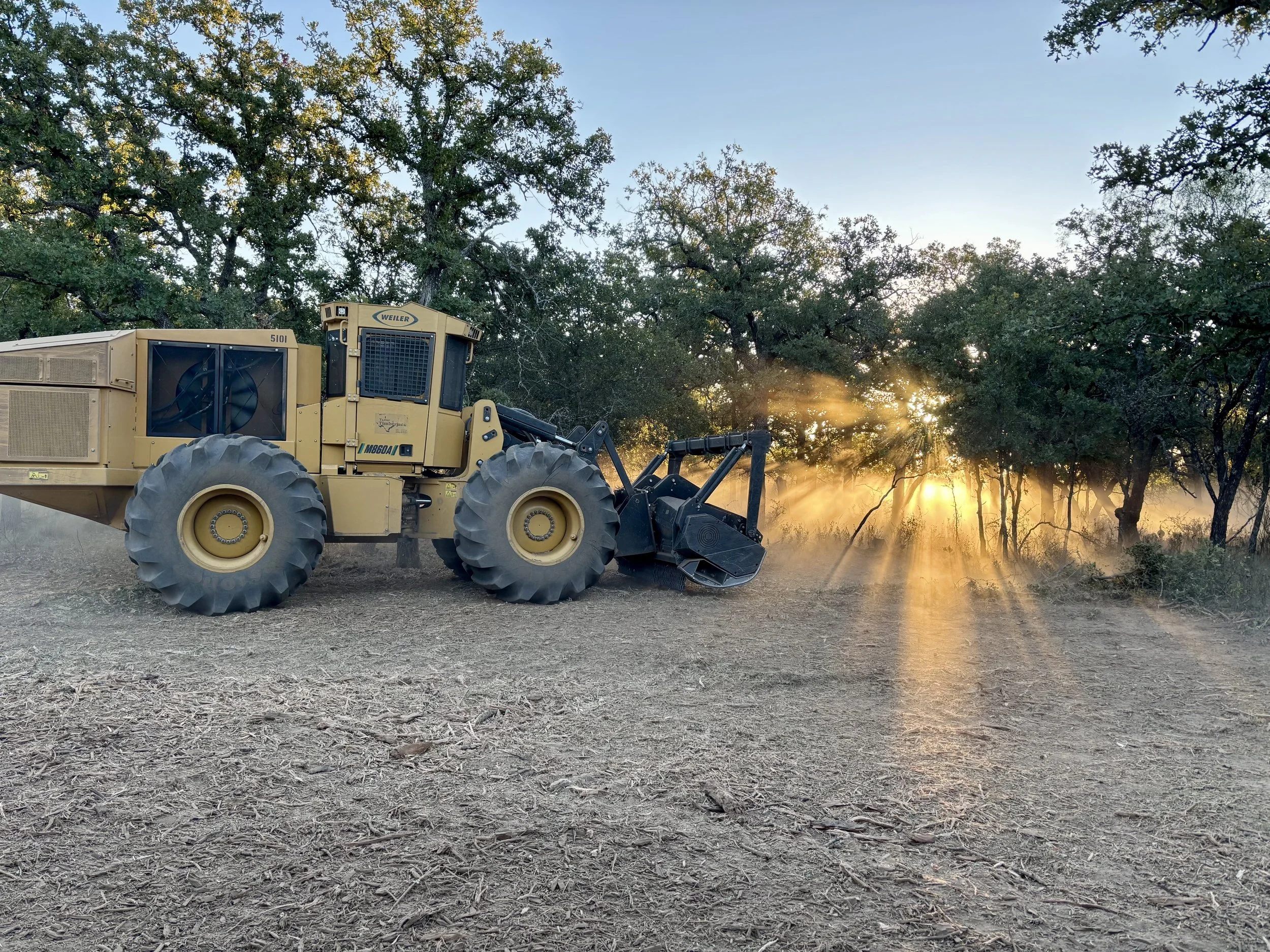
We often suggest forestry mulching when clearing land for deer hunting because it's easier on the land. Rather than pushing cleared brush and other materials into piles or hauling them off-site once the job is done, the vegetation is turned into a rough layer of mulch on the ground. This helps keep the soil healthy while improving access.
More aggressive clearing has its place. Some areas may need heavier work for roads or fence construction. Sometimes there's deeply rooted vegetation that needs to be pulled out.
Still, deer habitat management usually calls for a more selective plan to keep the land functioning as naturally as possible.
We never like to treat clear-cutting for deer habitat as the default.
How Land Clearing Supports Food Plots and Hunting Access
Food plots need more than seed. They need the right location, adequate sunlight, accessibility, and nearby cover.
For deer habitat improvement, clearing can help create or improve food plot areas by removing shade, opening access, and making room for equipment. It can also help hunters reach stands and plots with less disturbance.
For landowners focused on clearing land for deer hunting, access needs to be planned. Random lanes cut through every section can remove useful cover. We always say that the better approach is to create just enough access to hunt and maintain the property while leaving deer with cover they’ll actually use.
Selective Clearing vs. Over-Clearing
A hunting property can have too much brush, and it can also be cleared too heavily.
| Too Much Brush | Too Much Clearing |
|---|---|
| Blocks movement and access | Removes security cover |
| Hides hazards and debris | Reduces screening |
| Limits food plot use | Exposes too much ground |
| Makes maintenance hard | Can make deer avoid open areas |
With that said, there's no one-size-fits-all plan when it comes to deer habitat improvement. You have to look at the land, the terrain, the existing cover, access roads, movement, and how you'd like to arrange food plots.
Why It’s Important to Use Professional Equipment on Large Hunting Properties
It could take months to get through a large hunting property with hand-cutting tools and a small tractor. Even then, if you run into stumps or washouts along the way, you could be left stuck.
That’s why we always recommend commercial equipment for deer habitat management. Heavy-duty equipment is stronger, faster, and much more versatile. The right equipment depends on what the land needs. A trained crew knows how to choose that equipment and adjust the work based on vegetation, terrain, access, and the ultimate goals of the owner.
Build a Long-Term Deer Habitat Improvement Plan
Brush management for hunting land should make the property more usable for deer and easier for owners to maintain.
That’s where 5K Land Management comes in. We can evaluate your acreage, discuss your goals, and recommend the best deer habitat management plan. With an arsenal of in-house equipment and a team of local professionals who know the land well, hunters and landowners throughout Texas and Oklahoma trust us for their land clearing needs.