How Land Clearing Improves Grazing Land and Livestock Health
Key Takeaways
Grazing land management often starts with removing brush, invasive trees, and overgrowth that limit pasture use.
Strategic clearing helps livestock move through the property, reach water, and use more of the available acreage.
For large ranch properties, professional land clearing supports better access, easier maintenance, and long-term pasture productivity.
A pasture can look open from the road and still be hard to use where it matters.
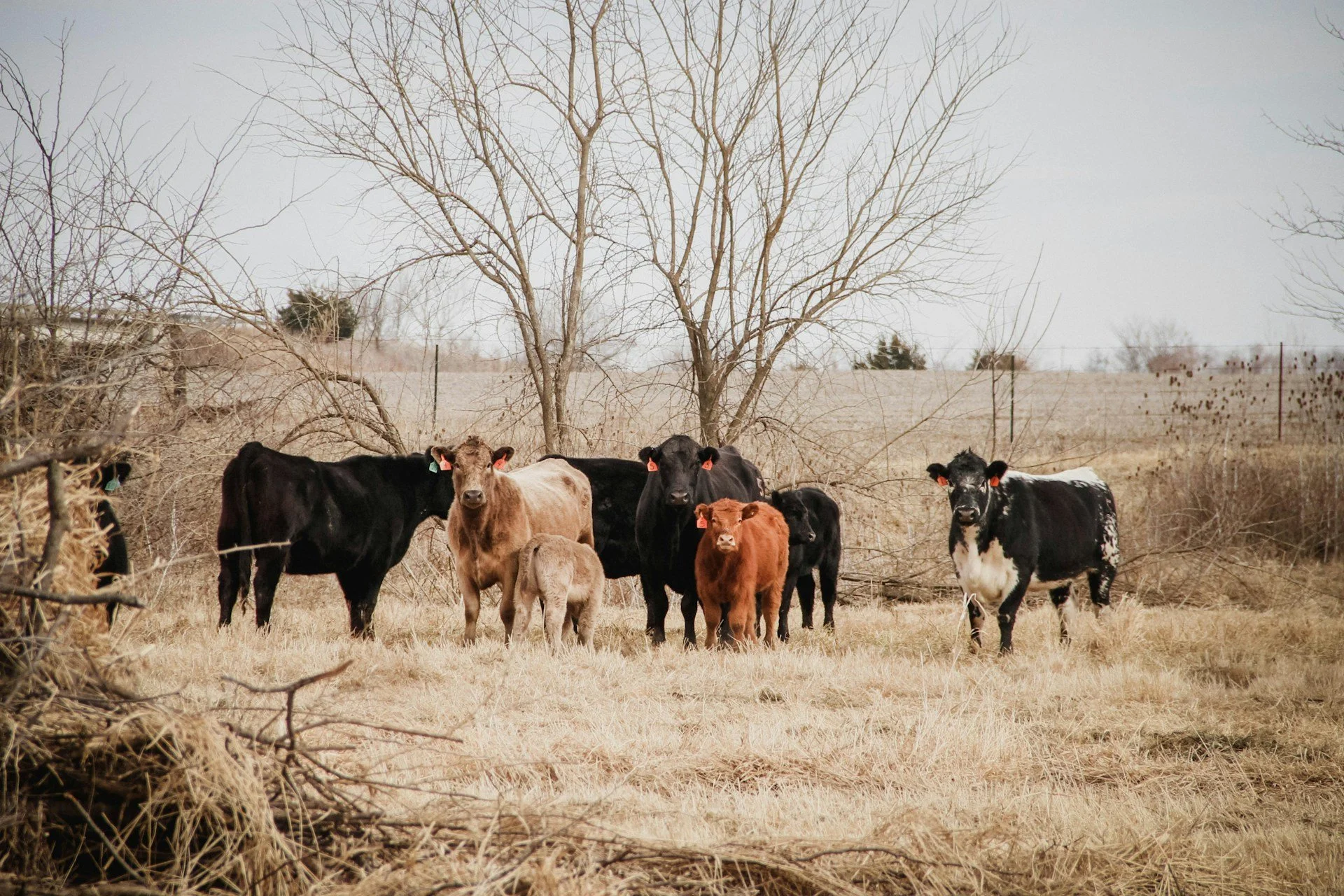
The front section may have grass. Cattle may be grazing near the gate. Then you get farther onto the property and see where the real problem starts. Brush has pushed into the corners. Cedar or mesquite has taken over higher ground. Fence lines are hard to reach. A water source may technically be there, but livestock have to push through rough vegetation to get to it.
That is where grazing land management starts to overlap with professional land clearing.
For ranch owners, land clearing is not just about making a property look cleaner. It is about making the land work better. The right clearing plan can improve pasture access, support forage growth, help with livestock land improvement, and make everyday ranch operations easier to manage.
How Overgrowth Hurts Grazing Land
Pasture does not usually become unusable all at once. It changes slowly.
Brush starts along fence rows, low spots, draws, old trails, and areas livestock do not use as heavily. Over time, that growth spreads. Trees and invasive brush compete with grasses for sunlight, water, and nutrients. Once that happens, usable pasture starts shrinking.
Woody plant encroachment is a documented issue for rangeland productivity because expanding tree and brush cover can reduce forage availability and carrying capacity. NRCS pasture condition guidance also connects pasture condition with factors like plant cover, erosion, weeds, and forage vigor.
Common problems on overgrown grazing land include:
Reduced forage growth
Blocked access to water sources
Hard-to-maintain fence lines
Hidden holes, stumps, limbs, or debris
Uneven grazing pressure
Limited movement between pasture areas
Livestock may stop using part of the pasture altogether. That puts more pressure on the open areas that are still easy to reach. Over time, the whole property starts being managed around the overgrown sections instead of through them.
What Is Land Clearing in Agriculture?
In a ranch or agricultural setting, land clearing means removing brush, trees, stumps, undergrowth, and other obstacles so the land can be used more effectively for grazing, access, fencing, water management, or future improvements.
It does not always mean stripping a property bare. In fact, good agricultural clearing is usually selective. A ranch may need thick underbrush clearing while leaving useful shade trees in place. Another property may need cedar or mesquite cleared from pasture edges, while a different section may need heavier work to reopen equipment access.
The goal is to match the clearing method to the way the land needs to function. That is what makes professional grazing land management different from basic cleanup.
How Land Clearing Improves Grazing Pasture
Landowners often ask how to improve grazing pasture after brush and woody growth have already started taking over. The first step is often removing the vegetation that is competing with grass and blocking access.
Land clearing can help improve pasture by:
Opening ground so more sunlight reaches forage
Reducing brush competition for water and nutrients
Giving cattle more room to move and graze
Making it easier to maintain fences, gates, and water lines
Restoring access to areas that had become difficult to use
NRCS defines prescribed grazing as managing the harvest of vegetation with grazing animals to meet planned ecological, economic, and management goals. Clearing overgrown sections can give ranch owners a better starting point for those grazing decisions by making more of the pasture visible, reachable, and usable.
In many cases, the grass has not disappeared completely. It has just been crowded out. Once brush pressure is reduced, landowners have a better starting point for pasture recovery, reseeding, rotational grazing, or other land improvement work.
Why Better Access Supports Livestock Health
Keeping livestock healthy depends on more than feed and veterinary care. The condition of the land matters too.
When cattle can move more easily through a property, they can reach grazing areas, water sources, shade, and handling areas with less stress. When overgrowth blocks that movement, livestock may crowd into the same open sections or avoid parts of the pasture completely.
Strategic clearing can support livestock health by improving:
Access to forage
Access to water
Herd movement
Visibility for ranch owners
Daily inspection and maintenance routes
This is also where livestock land cleanup becomes important. Fallen limbs, debris, hidden wire, old stumps, and blocked trails can all create hazards. Clearing helps expose and remove those problems before they interfere with normal ranch work.
Clearing Land for Cattle Is Not the Same as Clearing for Construction
Clearing land for cattle requires a different approach than clearing land for a building pad or commercial site.
On a ranch, the goal is usually to improve function without overworking the property. The land still needs to support grazing. It may still need shade, natural drainage, shelter, and healthy soil structure. Removing too much vegetation in the wrong places can create new problems.
That is why ranch clearing often includes a mix of methods:
| Method | Best For | Ranch Benefit |
|---|---|---|
| Forestry mulching | Brush, saplings, cedar, and undergrowth | Clears overgrowth while leaving mulch in place |
| Underbrush clearing | Dense low growth and blocked sightlines | Improves access without removing every tree |
| Tree and stump removal | Problem trees, stumps, and obstructions | Removes hazards and opens usable ground |
| Grubbing | Roots, stumps, and deeper site preparation | Helps prepare areas for roads, fencing, or improvements |
A good clearing plan does not treat every acre the same. It looks at how the ranch is used, where livestock move, where forage needs help, and which areas need to stay accessible for daily work.
Forestry Mulching for Grazing Land Management
Forestry mulching is often a strong option for ranch properties because it can clear brush and smaller trees without the same level of soil disturbance as more aggressive clearing methods.
The equipment grinds vegetation in place and leaves a mulch layer on the ground. That can help protect exposed soil while making the area easier to move through.
For grazing land management, forestry mulching is often used to:
Reopen overgrown pasture edges
Clear fence lines
Improve access to water sources
Create or reopen equipment paths
Reduce cedar, mesquite, and brush pressure
It is not the answer for every ranch project. Larger trees, root-heavy regrowth, future construction areas, or severe stump problems may require additional clearing or grubbing. But for many overgrown grazing areas, forestry mulching is a practical way to make the land usable again without turning it into a scraped construction site.
Land Clearing Helps Ranch Owners Manage More of Their Acreage
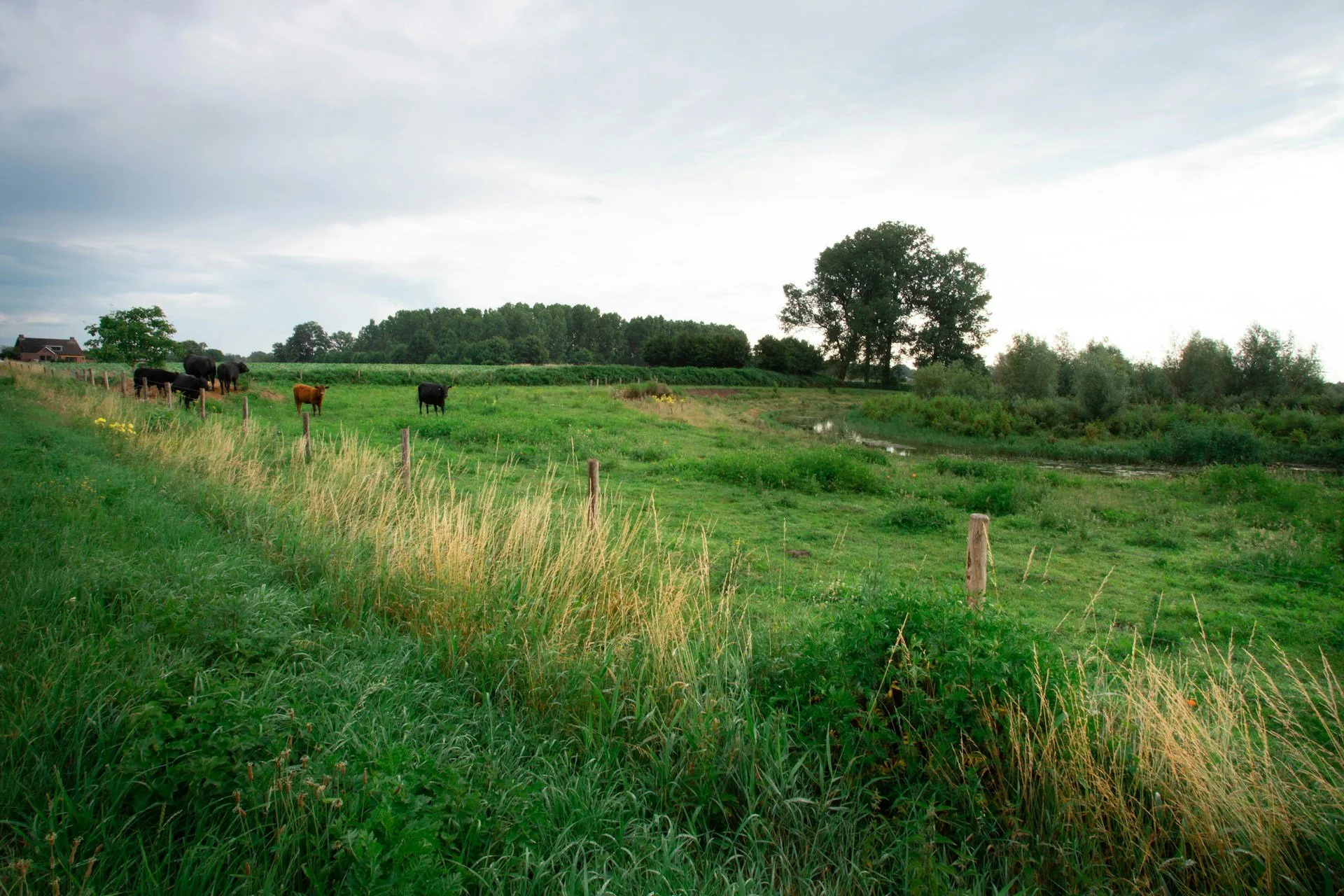
The biggest benefit of land clearing is not always the number of acres cleared. It is the number of acres that become useful again.
Once overgrown areas are reopened, ranch owners can often manage the property more efficiently. Fence checks get easier. Water access improves. Cattle spread out more naturally. Equipment can move where it needs to go.
That matters on large acreage because small access problems add up fast. A blocked trail, hidden fence corner, or brush-choked gate can slow down daily work for years if it is not addressed.
Professional land clearing gives ranch owners a practical starting point for better pasture use, cleaner access, and long-term livestock land improvement.
How Better Pasture Access Supports Ongoing Ranch Work
Good grazing land management continues after the first clearing project. Once the property is open again, ranch owners can keep up with mowing, fence maintenance, water checks, and future brush control more easily.
That is one of the biggest differences between a temporary cleanup and a useful land improvement plan. Clearing should make the next round of maintenance easier, not create more work.
5K Land Management can help ranch owners evaluate which areas need clearing first and which methods make the most sense for the property’s long-term use.
FAQs
-
Land clearing improves grazing pasture by removing brush, invasive trees, and undergrowth that compete with grass for sunlight, water, and nutrients. It also helps livestock access more of the property.
-
Land clearing in agriculture is the process of removing brush, trees, stumps, and other obstacles so land can be used more effectively for grazing, farming, access, fencing, or ranch improvements.
-
Yes. Forestry mulching is often useful for grazing land because it clears brush and smaller trees while limiting soil disturbance. It is especially helpful for overgrown pasture edges, fence lines, and access paths.
-
Ranch owners should consider clearing land for cattle when brush blocks grazing areas, limits water access, hides hazards, prevents fence maintenance, or causes livestock to crowd into the same open sections.
Contact 5K Land Management
Healthy grazing land does not happen by accident. It takes access, maintenance, and enough open pasture for livestock to move, graze, and reach the resources they need.
When brush, invasive trees, and overgrowth start taking over, land clearing can help ranch owners reclaim useful acreage and improve how the property functions. For many large properties, that is the first step toward better grazing land, safer access, and more efficient livestock management.
5K Land Management provides land clearing, forestry mulching, underbrush clearing, and ranch land improvement services throughout North Texas and Southern Oklahoma.
Request a custom quote to talk through your grazing land goals and get a professional clearing plan for your property.