How Invasive Tree Removal Helps Texas Ranch Properties
Key Takeaways:
Invasive tree removal is one of the most effective ways to recover pasture, water, and usable acreage on a Texas ranch.
Cedar tree removal and mesquite removal are the two most common projects we see, often on the same property.
Choosing the right cedar clearing equipment and method matters as much as the decision to clear in the first place.
Most ranch owners don't notice invasive trees until the pasture starts shrinking around them.
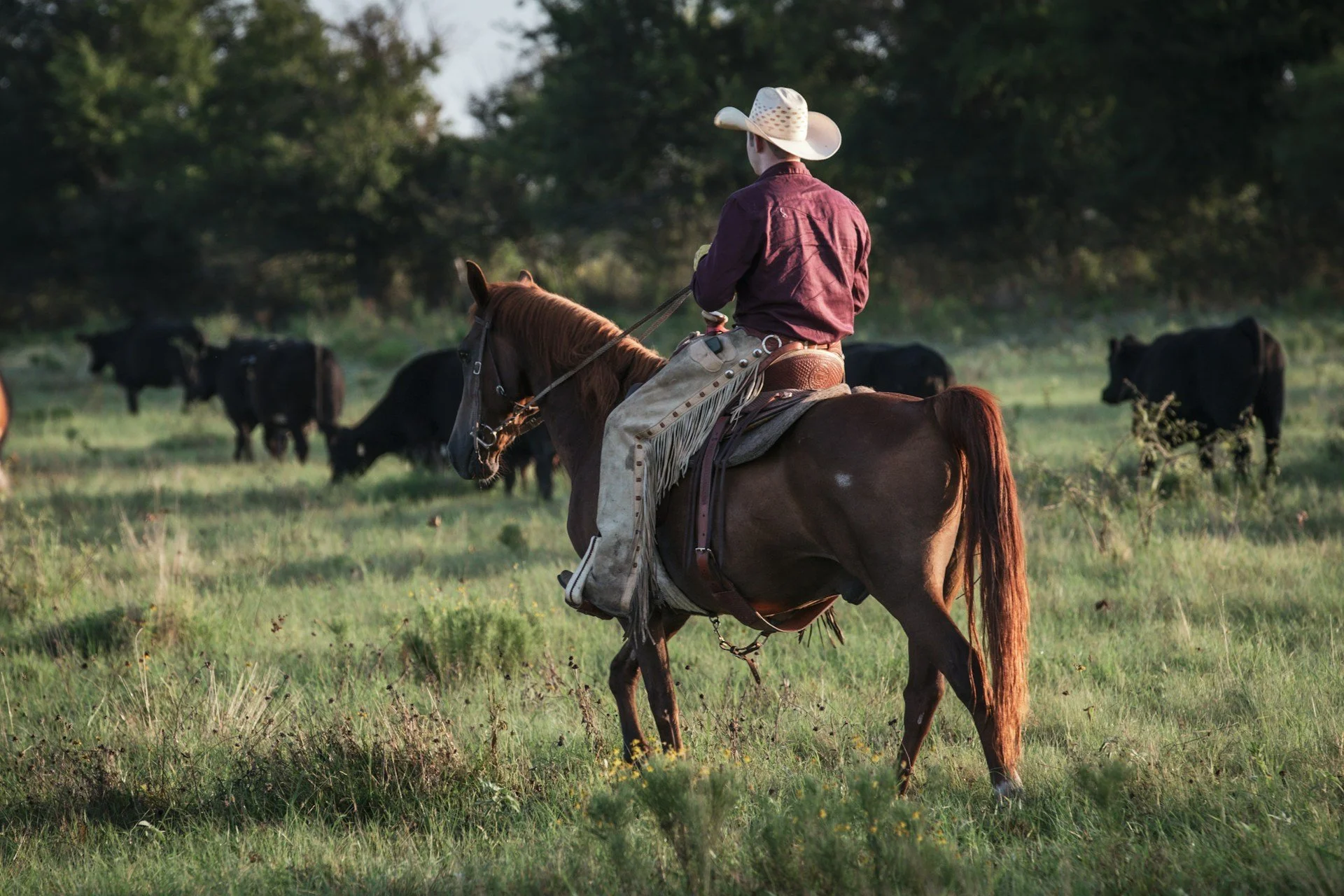
A line of cedar pushes in from the fence row. A few mesquite take hold in a low spot. A couple of seasons later, what used to be open ground is starting to look more like brush country. Cattle stop using the back section. Forage thins out. The property still sits on the same number of acres, but a smaller piece of it is actually working.
That's the part landowners tend to underestimate about invasive tree removal. In Texas, the cost isn't just visual. It's productivity, access, and long-term value. By the time a pasture is heavily encroached, the ranch has often been quietly losing ground for years.
Why Invasive Trees Are a Texas Ranch Problem
Texas rangeland has a long history of woody plant encroachment. Cedar, juniper, mesquite, and a few other species push into open pasture every time grazing pressure drops, fire is suppressed, or seasonal rain shifts the balance.
That's the backdrop most ranch owners eventually run into when they start thinking about invasive tree removal. The trees aren't strangers to the land. They've always been part of it. What's changed is the speed and density of the encroachment, especially in North Texas and along the Oklahoma border, where 5K Land Management does most of our work.
Texas A&M Forest Service and similar agencies have documented how woody encroachment reduces forage, lowers carrying capacity, and changes how water moves through a property. None of that shows up overnight. It builds slowly until a rancher walks the back fence and realizes the pasture isn't what it used to be. That's why invasive tree removal isn't a cosmetic project for working land. It's a recovery project.
The Worst Offenders on Texas Ranches
Two species cause most of the headaches on the properties we clear: eastern red cedar (often grouped with juniper) and mesquite. They show up in different ways and need different approaches.
Eastern Red Cedar and Juniper
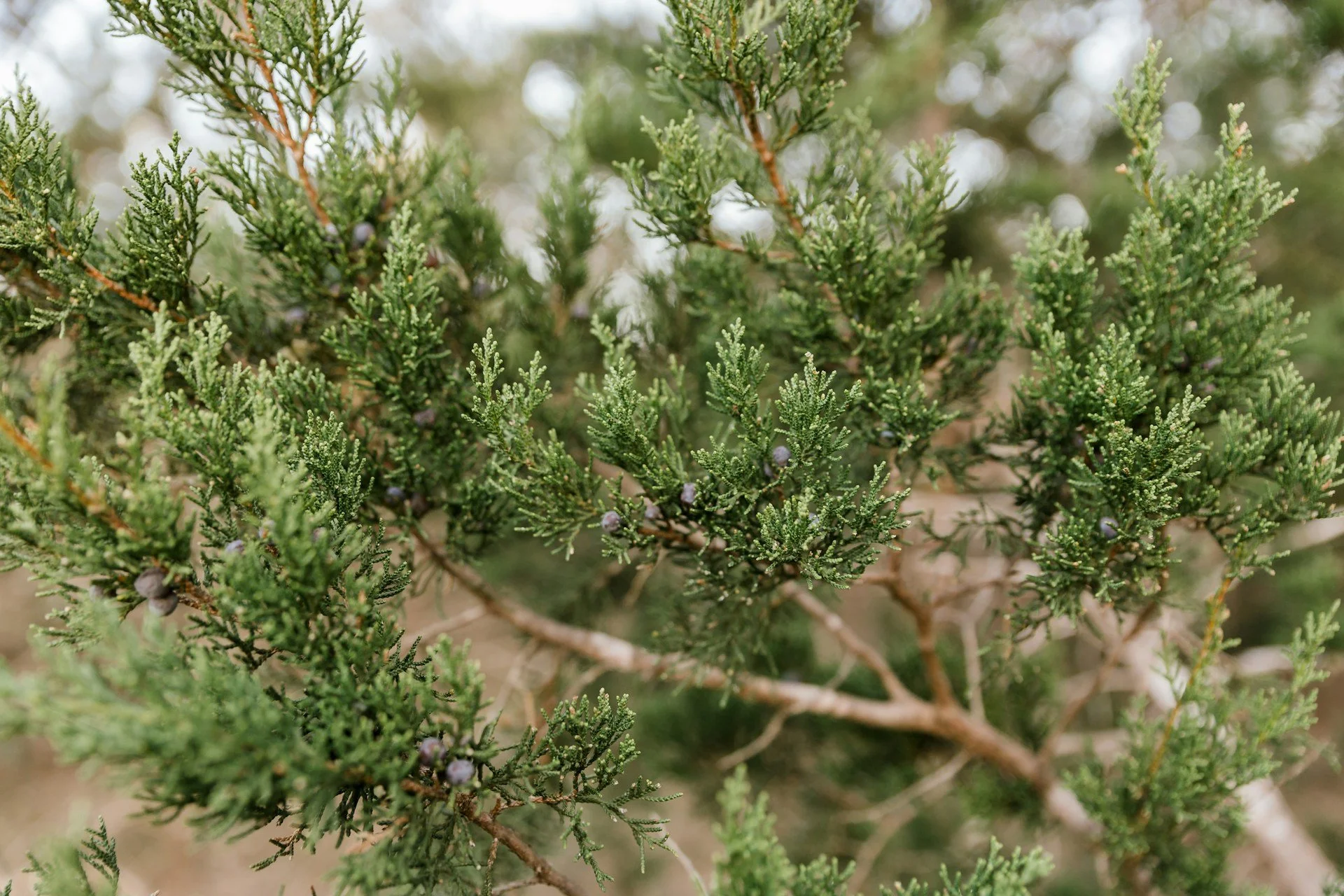
Eastern red cedar is the species most Texas ranchers think of first when cedar tree removal comes up. It grows fast, drinks a remarkable amount of water, and crowds out grass once it gets a foothold. Mature cedar stands can hold thousands of gallons of water that pasture grass would otherwise use, and cedar tree removal works best while the stand is still made up of younger trees. Once cedar matures past about six or eight feet, the equipment and time required jump quickly.
Juniper removal usually comes up in the same conversation. The two species overlap heavily in this region, and many landowners use the names interchangeably. Either way, the approach is similar: cut early, cut thoroughly, and don't leave seed sources behind to refill the pasture.
Mesquite
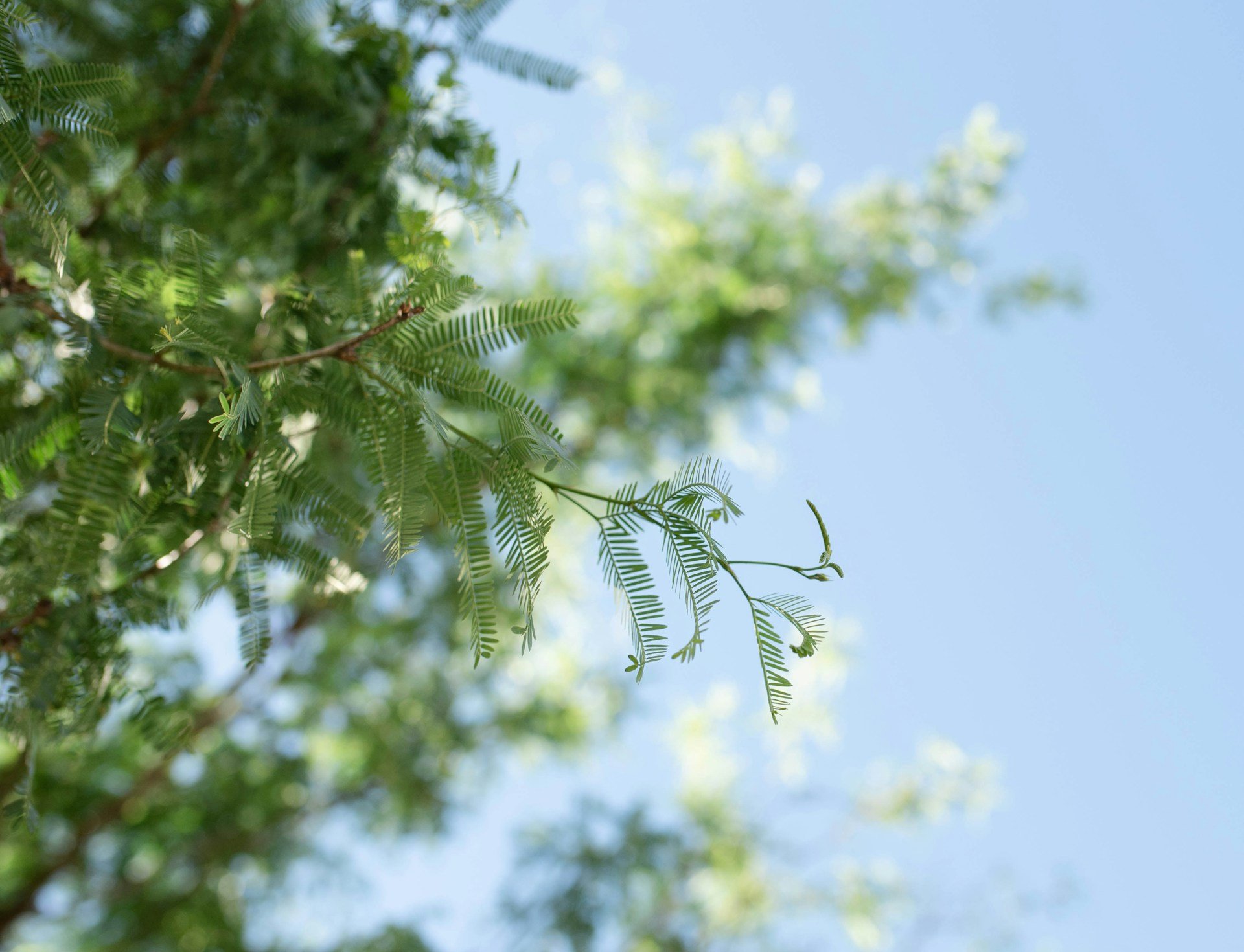
Mesquite is the other big one in our region, and it's tougher than cedar in a few specific ways. It comes back hard from the root if you only cut the top, and older trees can develop deep root structures that resist simple mechanical clearing.That's why mesquite removal usually pairs well with grubbing or follow-up work. Texas A&M Extension has covered mesquite control extensively, and the consistent theme is that surface clearing alone rarely solves the problem.
How Invasive Tree Removal Actually Works on a Ranch
There isn't one method that fits every property. The right approach to invasive tree removal depends on what's growing, how dense it is, and what the land needs to do next.The cedar clearing equipment category alone covers a wide range. A forestry mulcher is the right tool for one job, a dozer or excavator for another, and sometimes a single ranch needs both on the same week. That's the part that smaller operators struggle with when a property has mixed conditions.
Here's how the common methods compare on Texas ranch land:
| Method | Best For | What It Does |
|---|---|---|
| Forestry mulching | Cedar, juniper, brush, smaller mesquite | Grinds vegetation in place; leaves mulch layer |
| Underbrush clearing | Dense low growth and saplings | Opens sightlines without removing every tree |
| Tree and stump removal | Larger cedar, mature mesquite, hazard trees | Removes the tree and the stump together |
| Grubbing | Mesquite roots, regrowth-prone stumps | Pulls the root system so it doesn't come back |
| Tractor mowing | Maintenance after the heavy clearing is done | Keeps regrowth in check across larger acres |
At that point, invasive tree removal turns into something more like a clearing plan than a one-time job. A 60-acre property might get forestry mulching across the open pasture for cedar tree removal, grubbing in a back section where mesquite has taken over, and a tractor mowing pass the next season to stay ahead of regrowth.
Machine choice matters too. A mulcher with the wrong head wastes time on mature mesquite, and a dozer in heavy brush burns fuel for less production than a mulcher would deliver.
What Ranch Owners See After Invasive Tree Removal
The first thing most owners notice is space.
A pasture that felt closed in opens up. You can see across the property again. Fence lines reappear. Cattle that had been crowding the front section start spreading out into ground they hadn't touched in years.
After that, the practical gains show up. Cedar tree removal frees up water and sunlight, and grass usually responds within a season or two. Mesquite removal opens deeper sections of pasture and reduces the regrowth pressure that was creeping outward from established stands. Fence checks get easier. Water lines and gates are easier to reach. The whole property starts working as one piece of land instead of a usable front and a written-off back.
There's a long-term value piece too. Recovered pasture means more grazing acres, and properties prepared for resale, development, or commercial use tend to appraise better when the land is open and clearly usable.
When to Schedule Invasive Tree Removal in Texas
Timing matters more on cedar and mesquite than people expect. Late fall through early spring is usually the best window for invasive tree removal in North Texas and southern Oklahoma. Ground conditions are firmer, vegetation is dormant or low, and cooler weather makes longer runs of cedar tree removal or mesquite removal easier on equipment and crews. That said, we run jobs year-round when the property needs it.
If you've watched a stand of cedar double in size over the last few years, or you're seeing mesquite push into pasture that used to be open, that's typically the signal. Waiting another season usually means a bigger job and a higher cost.
Frequently Asked Questions
-
Pricing depends on acreage, density, species, and access. A lightly encroached pasture is a different job than a section overrun with mature mesquite, so we give a custom quote after looking at the property.
-
Some species push back harder than others. Cedar regrowth is usually slow if the seed sources are removed. Mesquite is more aggressive and often needs root-level work or follow-up passes to stay clear.
-
Yes, and most North Texas ranches need both. We bring the right equipment for each species and plan the work in the order that makes the most sense for your property.
-
A few acres of light brush can be a one- or two-day job. Larger ranches with mature stands of cedar and mesquite can run a week or more. We give a realistic timeline as part of the quote.
Remove Invasive Trees From Your Ranch
Invasive tree removal isn't decorative work. On a working Texas ranch, it's how owners get back acreage they were quietly losing to cedar, juniper, and mesquite year after year.
5K Land Management handles cedar tree removal, mesquite removal, and larger-scale clearing projects throughout North Texas and southern Oklahoma. If your pasture isn't pulling its weight the way it used to, that's worth a conversation.
Request a quote, and we'll take a look at your property.