How to Clear and Prepare Land for Each Season
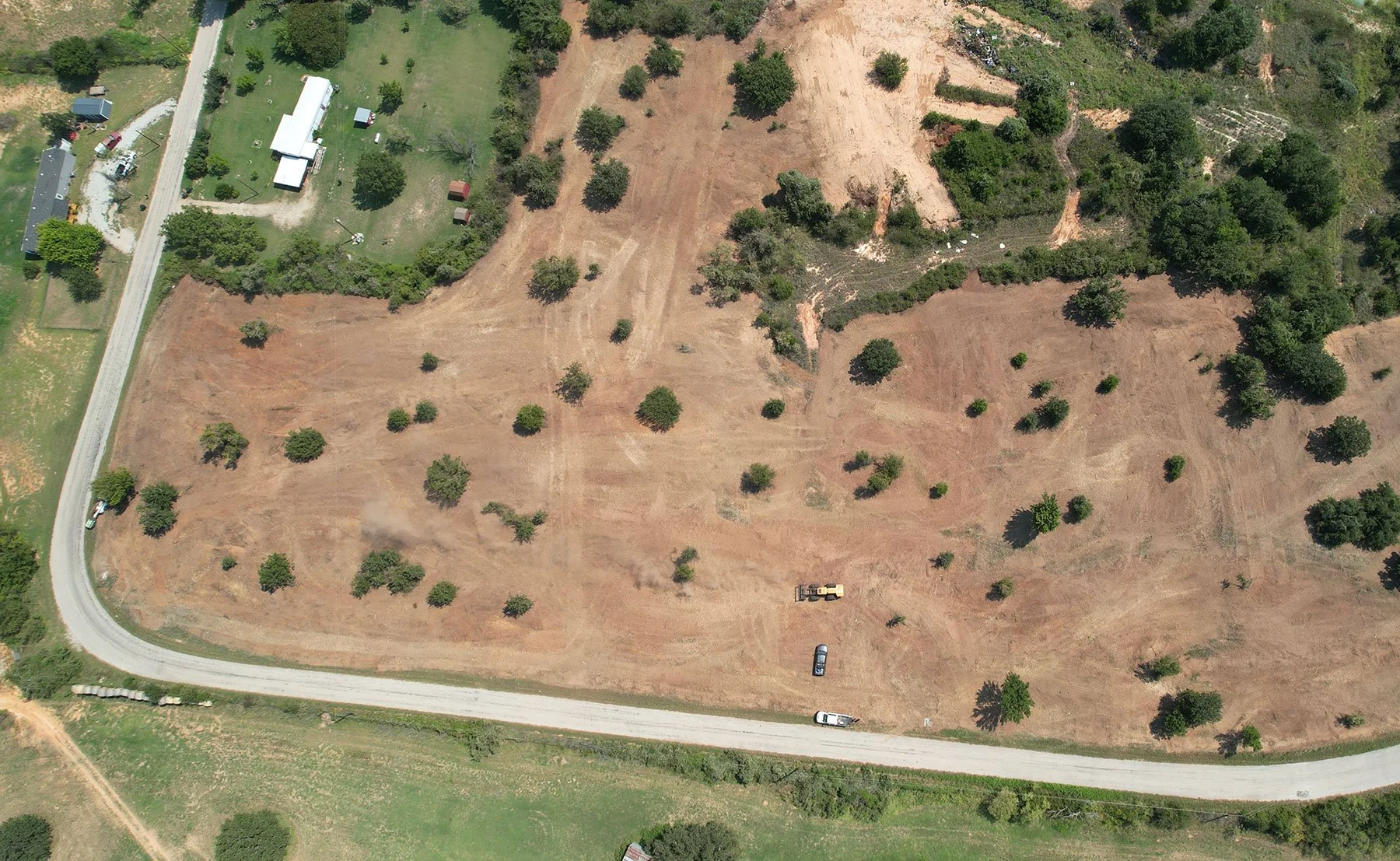
Key Takeaways:
Learning how to clear land starts with having a clear vision of how the property will be used long-term.
The clearing method you choose can impact regrowth and future maintenance.
Proper land preparation can save you time and money down the line.
It’s worth timing your clearing seasonally for the best cost control and soil stability.
Clearing land as a property owner is one of the most impactful things you can do. Unfortunately, it’s also one of the easiest things to mess up.
By learning how to clear land properly, you can avoid wasting time and paying for unnecessary repeat work down the line. Of course, not all land is cleared for the same reason, and not every method will produce the same result.
Everything changes based on the soil type, vegetation density, climate, and the ultimate plans for the land. Landowners here in North Texas and Southern Oklahoma often underestimate the importance of land preparation after clearing. In this guide, we want to explore what to think about during the process and how the DIY approach compares to a professional one, so you can set realistic expectations for the long term.
Defining Your End Goal Before Clearing
Before equipment ever gets to the job site, the most important step in how to clear land is deciding what the land will be used for afterward. After all, clearing land for a ranch is a much different process than clearing land for access roads or construction.
For example, with ranch land clearing, we often prioritize selective removal and long-term pasture health, while clearing land for agriculture may require full vegetation removal and deeper soil conditioning.
Acreage clearing projects for resale or development, on the other hand, usually focus more on access and aesthetics.
Your end goal will directly influence:
The amount of vegetation to keep
The level of acceptable soil disturbance
How much follow-up land preparation is needed
If you don't think about your goal ahead of time, you put yourself at risk of having to rework the land later.
The Most Common Land Clearing Methods
Once you have your goal in mind, you can choose between some of the different types of land clearing solutions.
Mechanical Clearing and Brush Removal
Mechanical clearing uses heavy equipment like dozers, skid steers, and excavators to physically remove vegetation. This is one of the most effective methods for dense growth and larger projects. Brush removal is one form of mechanical clearing that works well for removing roots, rocks, and other debris.
However, the downside of mechanical clearing is that it can disturb soil structure if not done correctly. That's why post-clearing preparation is so important for preventing erosion and compaction, especially on sloped ground.
Forestry Mulching Services
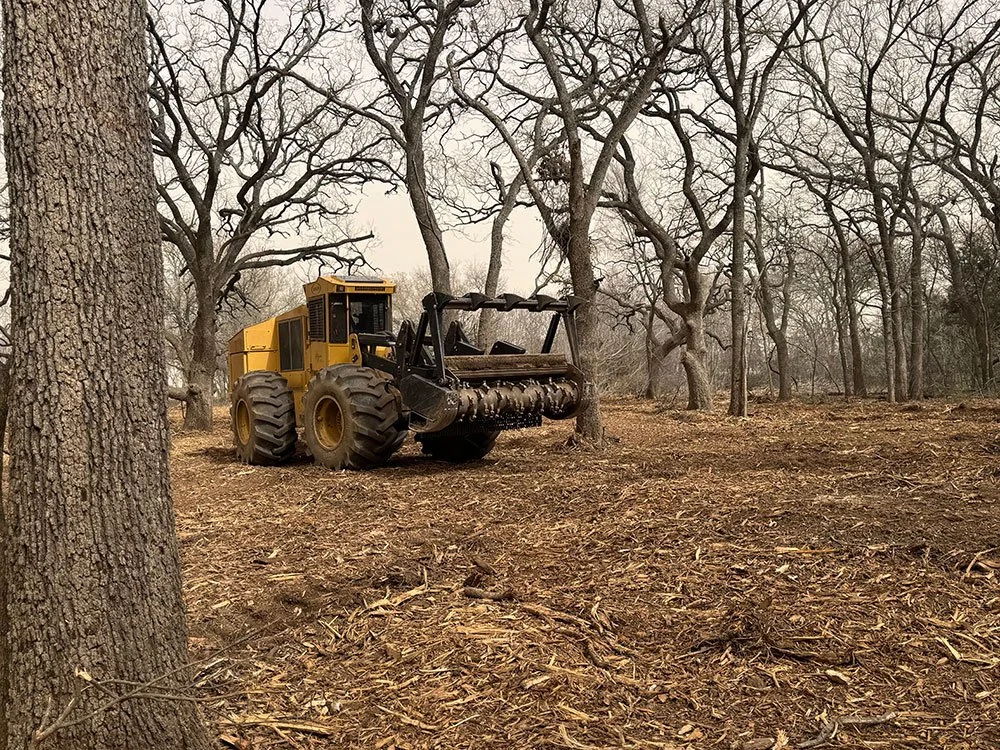
If you’re learning how to clear land and looking for a lower-impact alternative, we recommend forestry mulching. A mulcher can grind trees and brush into organic material to keep it on site, which helps mitigate erosion. It's an incredibly popular method for properties that want to create usable land without having to haul debris away afterward.
Since it breaks down vegetation at the surface, forestry mulching can also help reduce regrowth, which is why it's such a strong contender for Texas and Oklahoma land clearing projects where soil preservation is a priority.
Underbrush Clearing vs. Full Acreage Clearing
Underbrush clearing focuses on selective vegetation removal and improving access without having to get rid of mature trees, while full-acreage clearing is meant to remove nearly all growth. Typically, landowners will pair grading with full-acreage clearing as well to get rid of stumps and trees.
Part of knowing how to clear land is understanding which of these methods to choose so that you don't damage the soil.
Land Preparation After Clearing
Clearing vegetation is only part of the process. With land preparation, you determine whether the cleared area is usable. After clearing, it's important to give the soil attention so that it can support pasture, crops, construction, or whatever your goals are.
Some of the key soil preparation steps include:
Grading for correcting drainage
Removing remaining roots or debris
Conditioning soil for pasture preparation or planting
If you're focusing on pasture grass growth after clearing, proper soil conditioning can help establish roots faster and help you avoid erosion.
Seasonal Land Clearing - When to Clear Your Land for the Best Results
Beyond exploring how to clear land, it's important to consider when to do it, too.
Spring land preparation is pretty common, though active growth can increase regrowth pressure. If you clear during these months, you may need additional preparation to manage weeds or moisture loss. As you prepare for summer growth, note that fire risk is often higher in summer as well, so it's also a good idea to consider land clearing for fire mitigation.
In fall or winter, you reduce the chance of regrowth and take advantage of better soil stability. Many property owners we work with use this window to prepare land for winter so it's ready for planting or grazing come spring. For many landowners, drought prep is key during the cooler months.
Seasonal planning is one of the most overlooked parts of how to clear land. Make sure to take it into account.
Should I Hire a Professional Land Clearing Company?
Many property owners go out and rent their own equipment when learning how to clear land. However, the DIY route has its limits.
Small rental machines can take longer to work with and often struggle with dense vegetation. In many cases, we end up providing rework for clients who try to do work themselves.
There are many reasons to hire a professional company instead. The biggest reason is that a professional crew with in-house machinery can help reseed cleared land and manage safety risks more effectively.
While it may seem cheaper to go the DIY route upfront, professional clearing can actually be less expensive in the long run by minimizing regrowth and repeat clearing costs.
How to Clear Land With a Plan in Mind
Knowing how to clear land is more than just removing brush and trees. Successful clearing depends on planning, timing, land preparation, and choosing the right method so you don’t ruin the soil.
If you’re planning a clearing project in Texas or Oklahoma, work with a team of professionals to make sure your land is ready for the next phase. Contact 5K Land Management today for a free site evaluation.