Pasture Restoration: How Land Clearing Can Bring Overgrown Fields Back to Life
Key Takeaways:
Land clearing can bring an overgrown field back into use by removing the brush and woody growth.
Forestry mulching is one of the best methods for reclaiming overgrown pasture when the issue is brush and smaller trees.
For ranch owners with large acreage, pasture restoration is an excellent way to improve grazing and access.
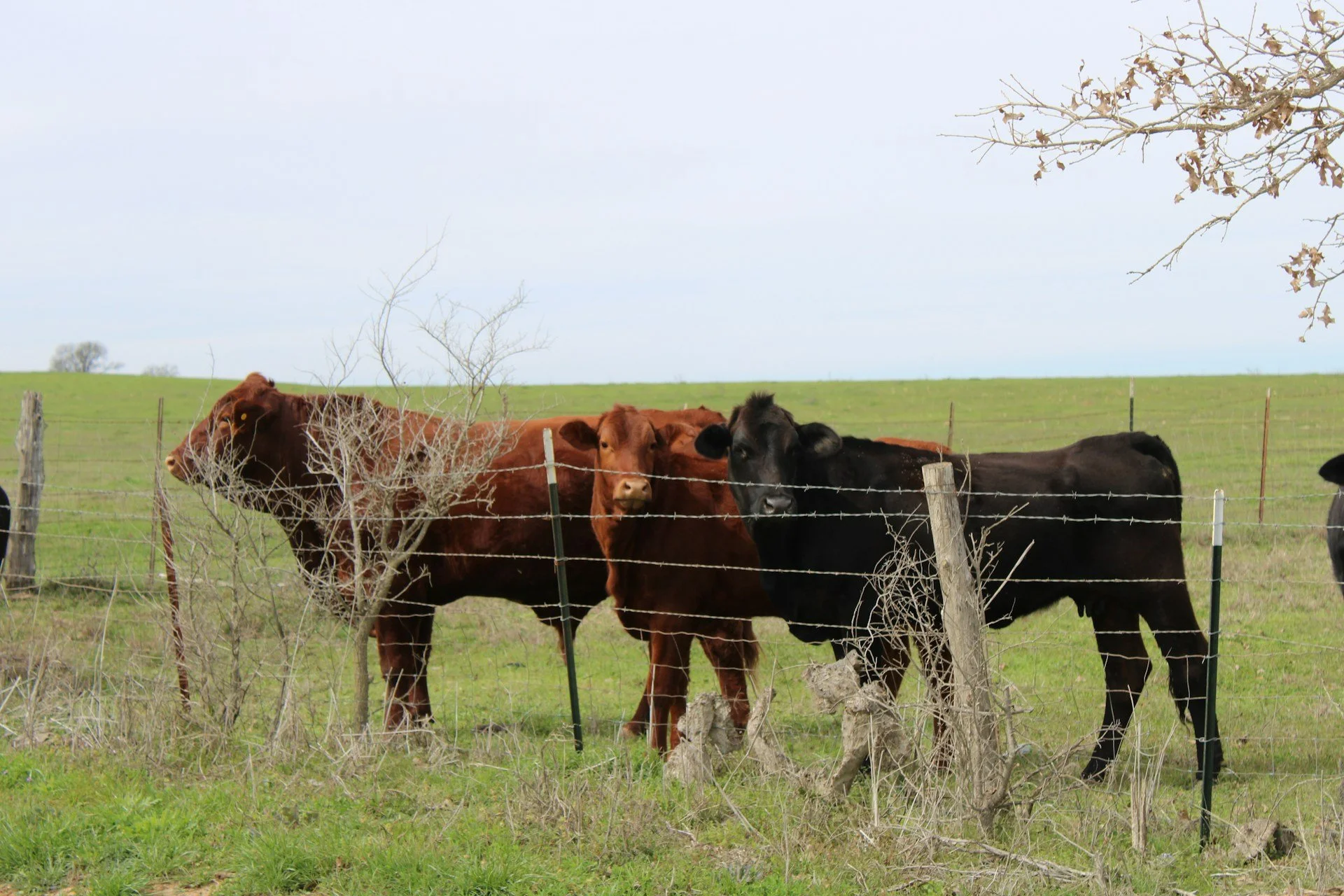
Pasture might look fine from the road, but it can be out of control as you get close.
You see grass in the front. Maybe a few cattle out there. Then you get further onto the property and realize the field has been shrinking for years. Brush has filled in the corners. Cedar is taking over higher ground. A gate is still there, but you can't get to it without fighting through saplings and vines.
That’s where a lot of pasture restoration work starts. The land hasn't quit completely. It's just not pulling its weight anymore.
For ranch owners, the problem goes well beyond appearance. Once a field gets away from you, you lose grazing space, access, visibility, and flexibility. The whole property starts getting managed around the bad section instead of through it.
What Usually Pushes Pasture in the Wrong Direction
Brush is the obvious one.
It starts on fence rows, around drains, in the corners nobody mows, and anywhere grazing pressure drops off. Leave it alone, and it spreads outward. Cedar is especially aggressive. Mesquite is worse once it gets established. Both compete with grass for water and sunlight, and both make pasture harder to move through.
Research out of Oklahoma State Extension has shown how woody encroachment reduces forage and limits usable rangeland, and why pasture restoration is so vital.
NRCS pasture scoring guidance also ties declining pasture condition to weed pressure, runoff, poorer forage growth, and weaker productivity overall. In other words, once the brush moves in, other problems usually come with it.
Neglect plays a role, too, but not in the lazy sense.
Sometimes the owner is older and can't keep up with the acreage. Sometimes the land was inherited. Sometimes cattle numbers change and parts of the field stop getting used the way they once were. Sometimes a piece of land just sat for a few wet years and got away.
The end result of not clearing pasture land usually looks familiar:
Cattle stop using part of the pasture
The back section feels farther away than it is
You lose sight of fence lines and water access
What used to be open ground starts looking more like rough country
That’s an overgrown field.
What Pasture Restoration Actually Does for the Land
By reclaiming overgrown pasture with clearing, you get a field that behaves differently.
More light hits the ground. Air moves through it again. Grass has room to regrow. You can drive across sections that had become a hassle, and cattle spread out better instead of bunching up on the few clean acres you have left.
That’s the point of pasture restoration. You’re getting the land back into use.
A lot of owners think of clearing pasture land as a visual improvement first. It isn’t. It’s a productivity decision. A pasture that’s choked by cedar, mesquite, brush, and saplings doesn't just look ugly. It’s expensive. It costs you more to forage. It costs you time. It costs you access every time you need to check a fence, move cattle, or get equipment to the back of the property.
And in plenty of cases, the grass is still there. It just hasn't had a fair shot in years.
Forestry Mulching vs. Full Clearing
This is where a lot of landowners either make a smart choice or spend money twice.
Forestry mulching is often a better fit for an overgrown field when the field has thick brush, young cedar, saplings, and undergrowth, but the land underneath still has decent structure. Mulching equipment grinds vegetation into place and leaves mulch on the ground. That helps protect the soil and saves the extra mess of piling and hauling debris.
For a lot of pasture land clearing, that's enough.
If the goal is to open the field back up, improve access, and knock back the brush pressure, mulching can do that without tearing the ground apart. It’s a strong option when you want to move quickly and keep soil disturbance down.
But mulching is not the answer to reclaiming overgrown pasture all the time.
If you’ve got larger trees, stubborn mesquite, old stumps, or roots that are going to push fresh growth right back up, heavier work makes more sense.
Texas A&M has written quite a bit about mesquite control, and the one thing they make clear is that size, age, and root structure are important to keep in mind when clearing. If you only cut the top and leave the rest, you may not have solved much.
That’s the part owners tend to underestimate about pasture restoration.
A pasture with surface brush and a pasture with entrenched woody regrowth are two different jobs. One responds well to mulching. The other may need grubbing, tree removal, or a staged clearing plan.
The mistake we see most often is going too light on a field that clearly needs more. The second most common mistake is going too hard and treating every acre like it has to be stripped clean.
Neither one works well.
What Ranch Owners Usually Get Back by Reclaiming Overgrown Pasture
More grass, for one.
But the bigger difference is how the property works day to day.
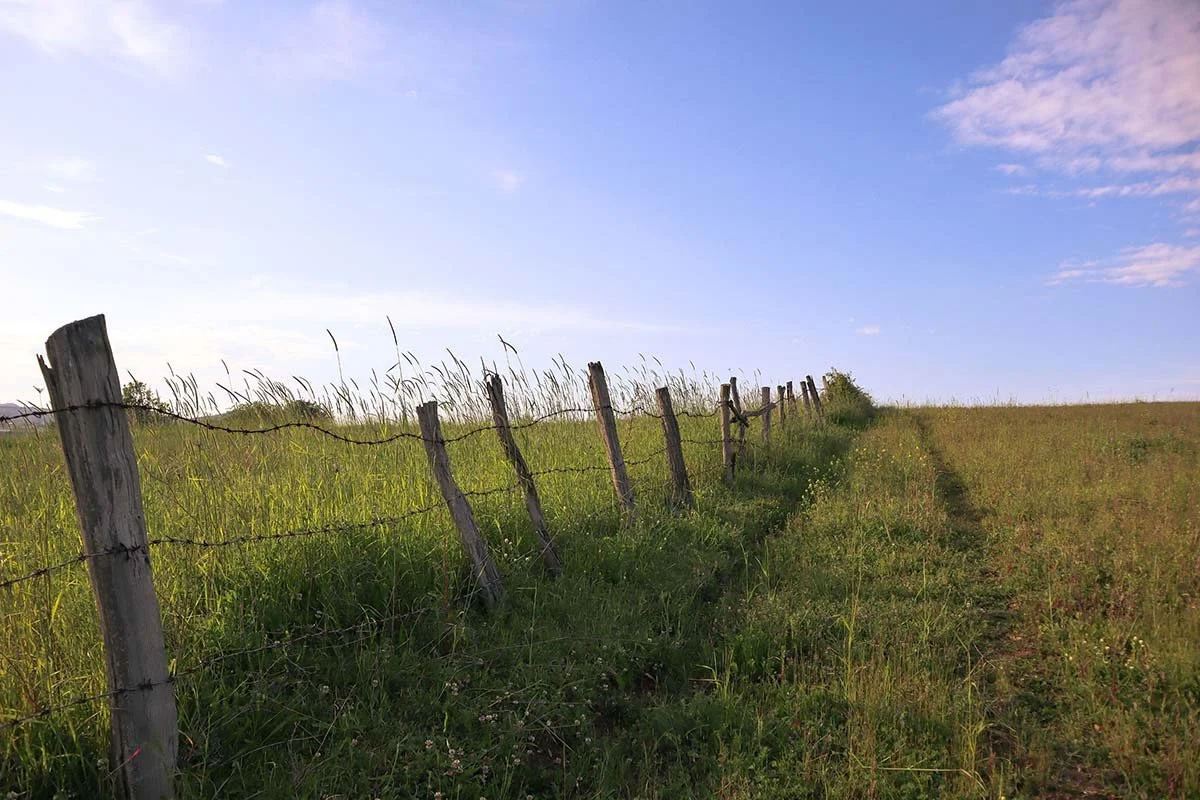
An overgrown field affects everything around it. Once that section is open back up, you usually get better cattle movement, cleaner fence access, and more flexibility with how you use the property. It becomes easier to rotate grazing, easier to maintain water, and easier to get a truck or tractor where it needs to go.
Sometimes the gain with pasture restoration is obvious. A 70-acre property may suddenly have 20 more acres that are actually usable again. A ranch owner can check the back fence without an hour of fighting brush. Livestock stop crowding the same small section of open ground.
A pasture that has become dead weight starts contributing again.
That’s true value. Not resale language. Functional value.
A Few Situations That Come Up All the Time
One is that it still looks open until you walk it. The front half is fine, but the back half is a mess. Cattle avoid it. Brush has built up in all the low areas. The owner has been meaning to deal with it for years. That’s a good candidate for reclaiming overgrown pasture with targeted clearing.
Then there’s inherited acreage. We see this a lot on our underbrush clearing jobs. Someone takes over a property that hasn't been maintained in a long time and assumes it all needs the same treatment. It doesn’t. One section may need mulching. Another may need heavier clearing. Another may just need access reopened so the owner can even see what they've got.
And then there's the rancher who's not trying to restore everything at once. It’s a smart move. Bigger properties often work in better pasture restoration phases. Clean up the section that gives the most usable acreage back first. Then move to the next one. That’s often the most practical way of reclaiming overgrown pasture without turning the job into a massive reset.
What Needs a Hard Look Before Clearing Pasture Land
The type of brush is important. The root system is important. The slope is important.
So is the end goal. An overgrown field being restored for grazing is one thing. A pasture that also needs fence work, new water access, or future building space is another. The same piece of land can have different priorities.
NRCS has quite a bit of information on grazing-land hydrology, and their work points to the fact that vegetation cover has a major impact on runoff, filtration, and erosion. Clear the wrong way on the wrong ground, and you can trade one problem for another.
That’s why clearing pasture land should always be tied to what the field needs to become next.
If the land just needs room to breathe again, keep the approach tight. If the roots are the problem, deal with the roots. If the brush has already changed how water moves through the field, look at the slope before anybody starts moving equipment in.
Pasture restoration isn’t a DIY weekend cleanup. On large acreage, decisions compound.
Final Thoughts
Pasture fills in slowly. That’s part of what makes an overgrown field easy to ignore.
Good pasture restoration fixes that.
It clears what's choking the field, opens the ground back up, and gives forage a chance to do its job again. For ranch owners, clearing pasture land means better grazing, better access, and more useful acreage overall.
Request a quote and get a free consultation from 5K Land Management’s pasture restoration services.