Solar Farm Construction Requirements: What Landowners and Developers Should Know
Key Takeaways:
There are a lot of elements that factor into solar farm land requirements, including slope, drainage, vegetation, and proximity to transmission infrastructure.
Preparing sites for solar typically means a mix of clearing, grubbing, and grading.
Solar farm site selection criteria include careful evaluation of environmental factors and utility connection requirements.
We hear about solar grazing in the news quite a bit these days. In places that used to be strictly grazing land, solar arrays are starting to appear seemingly overnight.
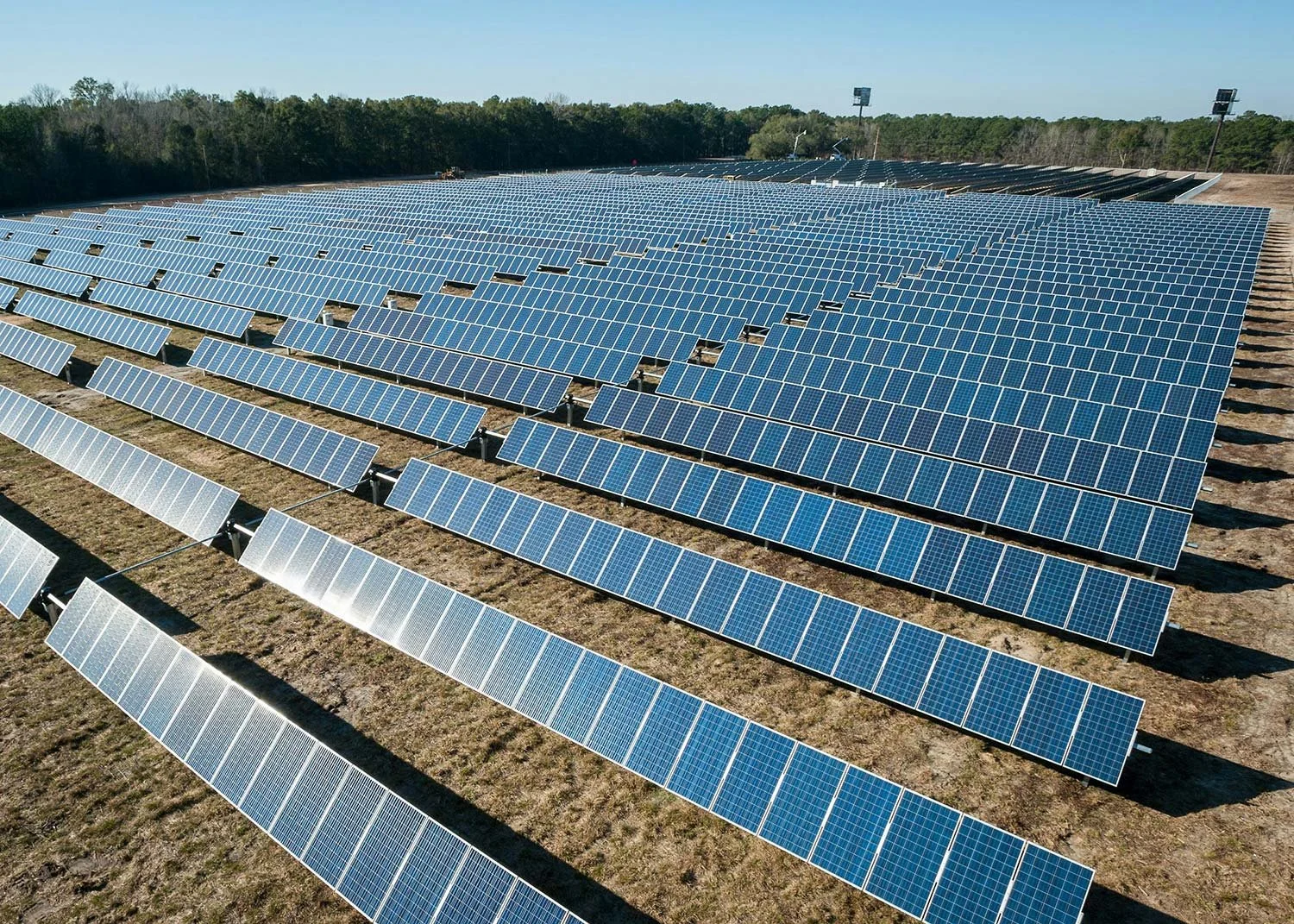
From a distance, it might look like a pretty simple operation. You have a few rows of panels, some fencing to keep people out, and maybe a small substation off to the side for utility workers.
But getting land ready for that kind of project is rarely simple. The solar farm construction requirements behind those installations are tied to terrain, soil conditions, drainage patterns, and access logistics that most people never think about.
Developers spend a year studying a site before any equipment ever shows up. A property might check every box for solar farm site selection criteria on paper, yet still require months of land preparation before panels can be installed.
That preparation is where projects often stall.
Site Selection Criteria and Readiness Factors
Most conversations about solar farm land requirements start with acreage.
People ask the same question almost immediately:
How much land is needed for a solar farm?
A rough rule in the industry is somewhere between five and ten acres per megawatt. Large projects in Texas often land between 400 and 900 acres, depending on terrain and panel configuration.
But acreage alone doesn't determine whether a site works.
Slope
One of the first things a solar developer has to look at is the ground slope. Relatively gentle grades are best. There’s less engineering work and not as much concern for disturbing the environment with additional grading. Plus, it’s cheaper.
A piece of land that rolls slightly can still work, but anything approaching seriously hilly terrain means solar farm grading considerations.
Soil Type
Our team works primarily in North Texas, where the soil is made up of heavy clay. Go a little further west, and you’ll find layers of caliche, which we like to call “natural Texas concrete.”
Preparing for a solar farm on these two types of soil would require vastly different approaches, considering how that soil would have to be driven and how drainage would move through the site.
Water Movement
Panels only sit a few feet off the ground. That means standing water can damage infrastructure over time. Engineers spend a surprising amount of time studying runoff patterns and drainage before construction begins.
Vegetation
This is another obvious hurdle. Large solar developments often start with thick brush removal. Cedar, mesquite, and hardwood trees show up on many rural parcels that developers evaluate. Clearing those areas becomes part of preparing rural land for solar energy projects, especially on former ranch properties.
All of these factors influence whether a property actually meets solar farm site selection criteria while looking at environmental considerations.
Regulations, Permits, and Grid Access
Even when a piece of land checks the physical boxes, it still has to clear a regulatory maze.
Permitting is one of the most important solar farm construction requirements, though the regulations depend on exactly where the land is.
Texas operates through an independent grid called ERCOT. This means that Texas solar farm regulations are completely unique, even compared to the Oklahoma solar project requirements just across the Red River.
Before construction moves forward, projects must work through solar farm permitting guidelines covering:
Land use approvals
Environmental review
Electrical permitting
Then comes the bigger technical hurdle: connecting the project to the grid.
Every solar site must meet utility solar farm construction requirements before power can flow into transmission lines. If the nearby substation lacks capacity, developers sometimes wait years to get the project moving.
The Challenge of Layout Design
Then, there are solar array spacing and layout considerations. Panels that shade each other won't work, yet developers still want to maximize the number of panels on the site to make the most use of the land.
It's important to look at the basic infrastructure needs for solar sites and plug the unique layout design of the land being worked on into the equation to determine how each component will be installed. This can include:
Inverter pads
Underground cable trenches
Substation equipment
Service roads
And yes, sometimes those designs change halfway through the planning process.
Typical Scope for Land Prep
After the permitting phase, developers can begin taking a more serious look at the land.
Though it might not be a standardized solar farm construction requirement, most developers want their panels to be installed as safely and cleanly as possible so they can maintain and use them for decades.
To do so, they might opt for one or a few different land clearing strategies.
Clearing
This is basic vegetation removal or forestry mulching.
In rural Texas and Oklahoma, the problem is typically cedar, scrub oak, mesquite, and thick brush. If a piece of land hasn’t been grazed or maintained for years, a lot of this is probably built up.
Land clearing crews can come in and remove it with heavy-duty equipment like mulchers or excavators.
This stage helps the land meet basic solar farm requirements for construction and opens the site so surveyors can finalize the panel layout.
On heavily overgrown parcels, clearing alone can take weeks.
Grubbing
Clearing provides solutions for solar farm land requirements above the ground. Grubbing deals with what's underneath.
Trees like mesquite send roots deep into the soil, and if those roots remain, the vegetation often grows back right through the solar array footprint. Grubbing equipment pulls root systems out entirely so the ground stays stable over time.
Developers usually require this step when converting ranchland or pasture during agricultural land conversion for solar, especially if the land has never been fully cleared before.
Solar Farm Grading Considerations
Once vegetation and root systems are removed, crews can focus on the terrain.
Solar panels are installed in long, straight rows. If the ground isn’t fairly level, it can complicate the installation process, and rainwater can collect in the wrong places.
One of the main solar farm construction requirements needed on uneven terrain is grading.
Grading work smooths uneven terrain, improves drainage flow, and prepares the site so panel rows can be installed efficiently. It also allows crews to install access roads for solar projects, making it easier for maintenance teams to get in and out.
Pre-Construction Land Prep Checklist for Utility-Scale Sites
Before construction begins, developers typically confirm a long list of technical and logistical solar farm construction requirements.
A simplified solar farm development checklist usually includes:
Confirm the site meets solar farm selection criteria. This includes verifying the property satisfies basic solar farm land requirements for acreage, terrain, and infrastructure access.
Conduct a renewable energy land evaluation. Looking at the slope, vegetation, drainage, and any other elements that might impact how construction takes place on the land.
Plan out agricultural land conversion for solar. If the solar lease includes grazing land, it’s important to take the health of the soil into consideration when clearing.
Verify any utility connection requirements for solar farms. Make sure the electrical infrastructure aligns with grid access and substation capacity before installation.
Cost and Timeline
From the outside, solar farms appear to go up quickly. The land preparation tells a different story.
Large installations can spend months in planning before construction begins. Clearing and grading work alone may take several weeks, depending on vegetation density and terrain.
Projects that involve heavy brush removal or difficult soil conditions often require additional time to stabilize the ground before panel foundations are installed.
Developers expect this variability, which is why a thorough renewable energy land evaluation happens early in the process.
Meeting Solar Farm Land and Construction Requirements for Your Next Install
From clearing cedar and mesquite to building stable access roads and preparing installation zones, the early stages of development determine whether a project stays on schedule.
At 5K Land Management, we help landowners and developers prepare properties to meet solar farm construction requirements with an array of land management services.
If you’re evaluating land for a solar lease or planning a utility-scale installation, our team can help prepare the property for construction. Reach out to schedule a consultation and learn more about how we help meet the solar farm construction requirements that developers depend on.