Clearing Large Acreage for Industrial Land Development
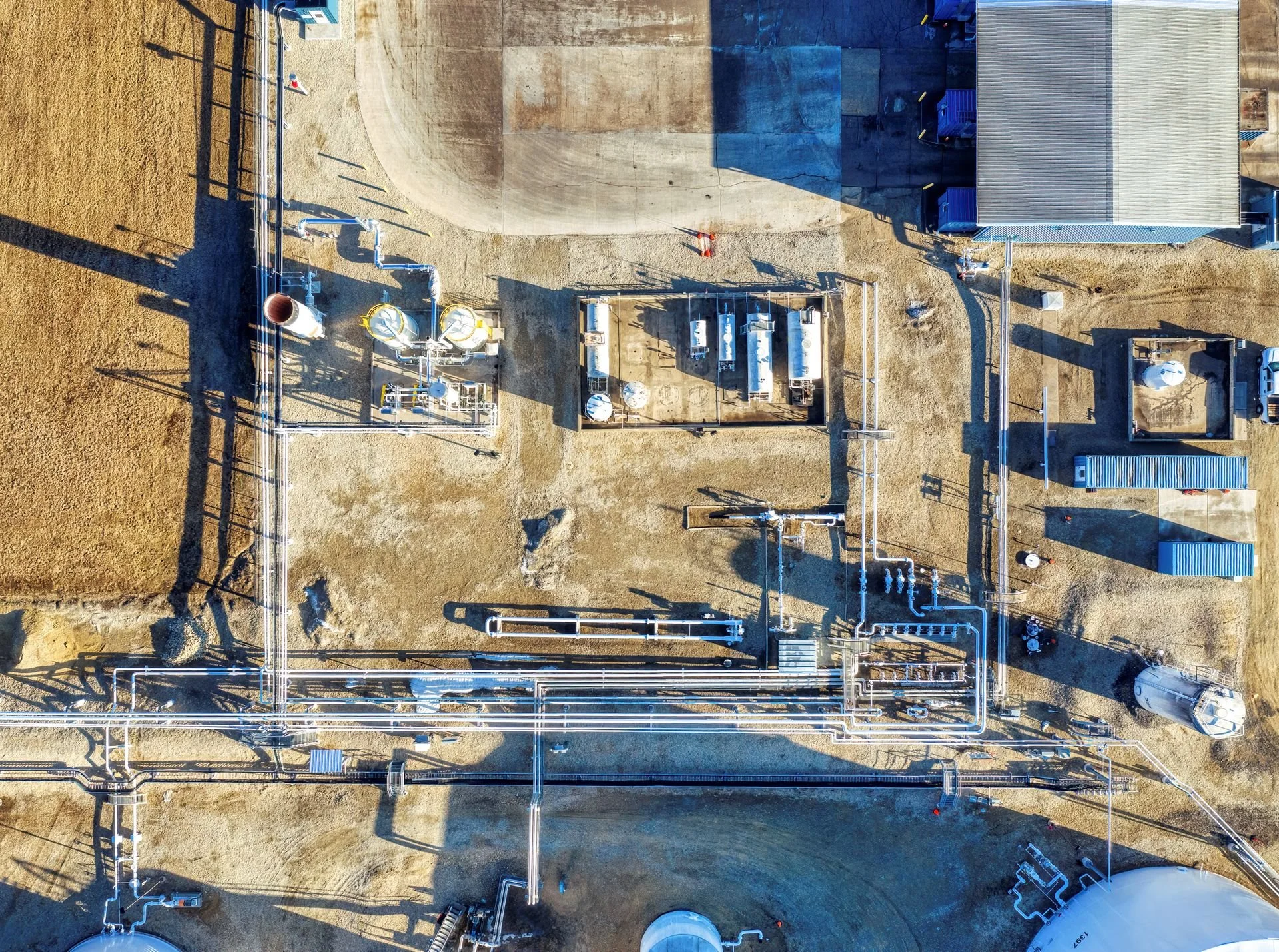
Key Takeaways:
Industrial land development sites require phased clearing, starting with access roads and entry routes before full-acreage vegetation work can safely begin.
Stumps and root systems must be addressed during the commercial site preparation phase, not after, to prevent costly delays once ground work is underway.
Equipment scale is non-negotiable: large commercial sites demand machines capable of handling dense brush, mature timber, and difficult terrain efficiently and safely.
The industrial building construction process depends on cleared, accessible, evaluated land before structural work begins.
5K Land Management brings in-house commercial-grade equipment and experienced operators to manage large-acreage clearing from start to finish, with no subcontractors involved.
Large tracts of undeveloped land don't clear themselves. For project managers and developers moving forward with industrial land development, the work that happens before the first foundation is poured can determine the success of everything that follows. Removing vegetation, opening up access roads, and evaluating ground conditions are all part of a site clearing process that requires careful planning, the right equipment, and sequenced execution.
5K Land Management works with commercial and industrial clients on large-acreage clearing projects across Texas and Oklahoma. This guide covers what that process actually looks like, from the first cut through the final pass before construction crews arrive.
Why Industrial Land Development Requires More Planning Than Small-Site Clearing
The Scope Changes Everything
Small lots and large commercial parcels are entirely different problems. A site spanning 50, 100, or several hundred acres cannot be cleared the same way as a smaller residential job. The wrong sequencing can put equipment in areas that are still inaccessible, waste time backtracking, or create safety hazards that delay the entire operation.
That is why large-site preparation is as much a planning exercise as it is a physical one. Understanding the terrain, mapping vegetation density, and identifying drainage features before equipment arrives saves time and prevents expensive surprises.
Access Is the First Priority
On large-scale industrial land development jobs, access roads must be cut in before broader clearing begins. Before commercial site preparation can begin in earnest, the site needs to be accessible, with established entry points and preliminary routes that equipment can safely use. On heavily wooded tracts, this step is non-negotiable.
Without that groundwork, there is no practical way to move equipment into the interior of a large parcel. Getting access right from the start sets the pace for every phase that follows.
What Needs to Be Cleared Before Construction Begins
Trees, Brush, and Stumps
The most visible part of industrial land development clearing is surface vegetation: overgrown brush, scrub trees, and timber that has taken over what should be productive acreage. But the part many developers underestimate is what lies below the surface.
Common types of vegetation and debris that must be cleared on large commercial sites include:
Mature trees and dense timber stands
Invasive brush and scrub vegetation
Tree stumps and deep root systems
Fallen limbs, loose debris, and downed material
Undergrowth that blocks equipment movement and site visibility
Stumps and root masses left in place create complications for future ground work. Getting this right during the commercial site preparation phase prevents expensive complications downstream. 5K Land Management offers grubbing services to remove stumps and root masses from large sites, while tree and stump removal handles jobs where specific trees are being targeted.
Interior Routes and Access Roads
For larger industrial land development projects, internal access routes are a safety and logistics requirement, not just a convenience. As clearing progresses, these routes allow equipment to reach different areas of the site and give crews the ability to haul debris out without crossing active work zones.
On a well-run large-site clearing job, the road network grows alongside the clearing perimeter. This keeps the site organized and allows different work phases to run concurrently without interference.
Preparing the Land for Equipment Movement and Site Evaluation
Once vegetation removal has opened up the site, the land can be assessed in a way that simply is not possible when it is covered in brush and timber. Ground conditions, drainage patterns, and potential subsurface concerns often only become apparent after clearing is complete.
This stage of commercial site preparation is also when practical decisions about the site layout start to take shape. Where equipment will stage, where material will be sorted or removed, and how traffic will flow through the site all depend on having cleared, visible land to work with.
Confirming Plans Against Ground Reality
For project managers advancing toward industrial land development, the window between initial clearing and construction mobilization is critical. It is when you confirm that what was planned in the office matches what is actually on the ground. The industrial building construction process depends on accurate ground-level information before crews mobilize, and a thorough site evaluation at this stage surfaces issues before they become expensive change orders.
The Role of Sequencing and Heavy Equipment in Large-Scale Clearing
Why Sequencing Matters
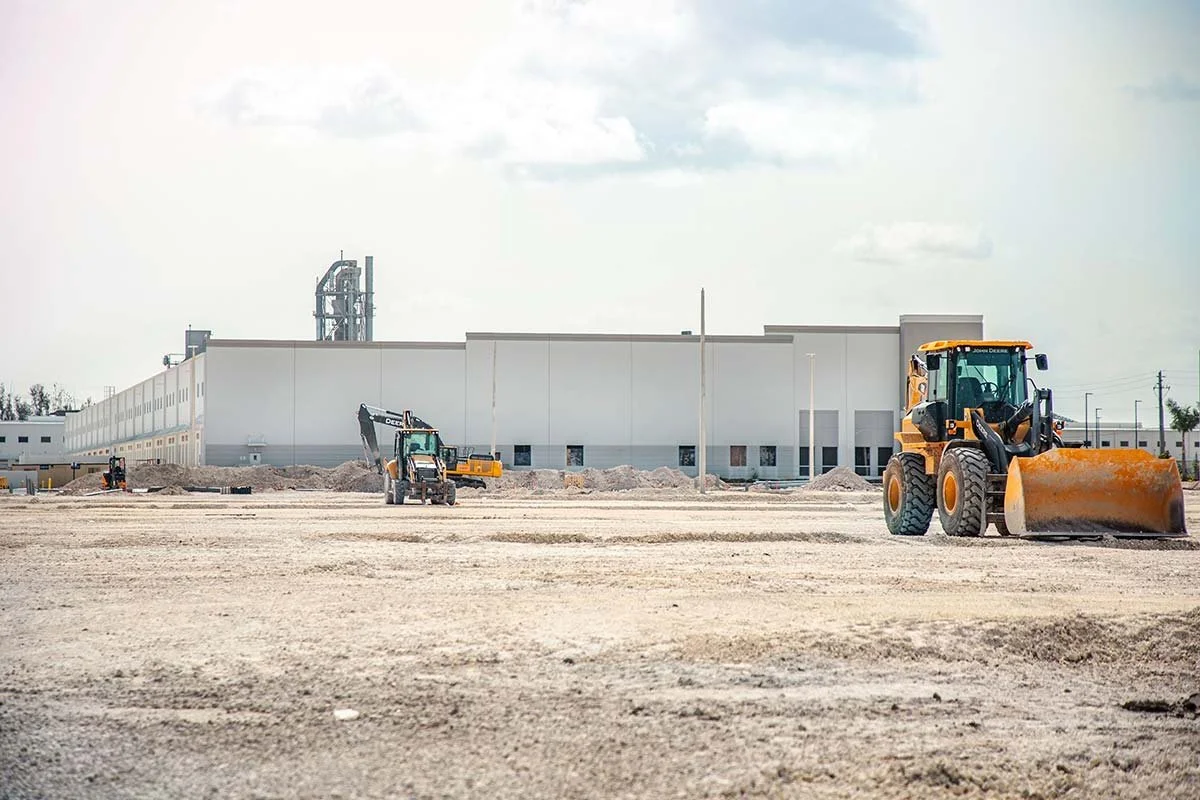
Large industrial clearing jobs are managed in phases. Working in sections allows crews to complete one area before moving into the next, keeping the site organized and ensuring that early-phase work does not get undermined as equipment enters new zones. It also allows for on-site debris management: mulching, hauling, or processing material can happen in completed sections while clearing continues in others.
Properly phased clearing on an industrial land development parcel keeps downtime low and progress visible throughout the job.
Why Equipment Capability Makes the Difference
Not all clearing equipment is suited for large commercial and industrial sites. The machines used for a half-acre residential lot will not make a dent in a 200-acre development parcel. 5K Land Management operates commercial-grade heavy equipment, including machines built for forestry mulching, excavating, and cutting through dense vegetation and mature timber at scale. For a full look at what 5K Land brings to large-site work, explore our land clearing services.
Projects that involve utility corridors or established infrastructure may also require coordination with right-of-way maintenance practices as part of the overall clearing plan.
How Large-Scale Clearing Supports the Commercial Construction Process
Getting land cleared is the first chapter of the industrial building construction process. It is not a standalone task; it directly conditions everything that follows.
"When a developer contacts us about a large commercial or industrial site, the first thing we do is look at the property via satellite. We need to understand the terrain and vegetation density before we can give an honest timeline or price. Too many contractors skip that step, and it shows."— 5K Land Management
Access for Downstream Crews
When vegetation removal is complete, the land becomes navigable for engineers, surveyors, and construction crews. They need visibility, access, and a ground surface that has not been left in disarray. Professional clearing work creates those conditions before anyone else arrives on site.
According to the U.S. Environmental Protection Agency, construction sites larger than one acre are subject to stormwater permitting requirements, which often depend directly on site conditions that clearing affects. Understanding these requirements early is part of responsible industrial land development.
Safety and Visibility on the Site
Active construction environments have safety requirements that depend on cleared surroundings. Dense brush and standing trees near work zones create visibility problems and fire risks. Removing that vegetation as part of commercial site preparation brings the site into safer working condition before formal construction mobilization begins.
OSHA's construction safety standards speak to the importance of maintaining clear, controlled site conditions throughout the build process. The clearing phase is where those conditions are established.
Turning Acreage Into Usable Ground
The practical outcome of clearing during the industrial building construction process is straightforward: a tract of land that was difficult to access and impossible to build on becomes a property ready for the next phase of work.
5K Land handles Texas and Oklahoma commercial land management projects of all kinds. Contact our team to discuss your land development needs.
Why Project Teams Choose 5K Land Management for Industrial Land Development
5K Land Management works exclusively on functional land clearing: the kind that prepares property for real use. For industrial and commercial projects, that means a specific set of capabilities:
All work is handled in-house. No subcontractors means consistent accountability from start to finish.
Equipment is commercial-grade and matched to the scale of the job, not borrowed from residential clearing operations.
The owner is directly involved in project planning and client communication throughout the job.
5K Land serves Texas and Oklahoma, including rural and difficult-access sites.
A satellite review of the property can be arranged before any commitment is required, so clients understand scope and timeline upfront.
Developers and project managers working on industrial land development will find that 5K Land brings a contractor mindset to clearing: show up, communicate, and get the work done right. For related reading, see 5K Land’s guides on solar farm site preparation requirements and oilfield site preparation checklists, which cover the clearing and prep needs of other large-scale commercial projects.
Frequently Asked Questions: Large-Scale Site Clearing for Industrial Projects
-
Timeline depends on acreage, vegetation density, and terrain. A 10-acre site with light brush may clear in a day or two. A 100-plus-acre industrial land development parcel with dense timber, stumps, and difficult access may take considerably longer. 5K Land Management provides an honest timeline estimate before work begins, based on a satellite review of the site.
-
For most commercial and industrial projects, yes. Stumps and root masses not addressed during commercial site preparation create problems for future ground work. Grubbing is the most thorough approach for large sites, while targeted tree and stump removal works well when specific trees are being cleared. Addressing stumps early keeps the industrial building construction process on track downstream.
-
Yes. 5K Land Management has experience working near established infrastructure. Right-of-way clearing and coordination around utility corridors is part of what 5K Land does on more complex commercial and industrial jobs. Reach out to discuss the specifics of your site before the project begins.
For additional context on how professional clearing creates measurable value for developers and landowners, the key benefits of commercial land clearing blog covers the practical and financial case for getting this phase of a project right.
Ready to Clear Your Site? Talk to 5K Land Management.
Large-scale site clearing is one of the most consequential early decisions in any industrial land development project. Done right, it sets every subsequent phase up for success. Done wrong, it creates delays, safety concerns, and unexpected costs that compound throughout the build.
5K Land Management brings the equipment, experience, and direct communication that commercial and industrial projects require. To discuss your site, request a ballpark quote, or arrange a satellite review of your property, contact 5K Land today.