Create Wildlife Habitat With Selective Clearing
Key Takeaways:
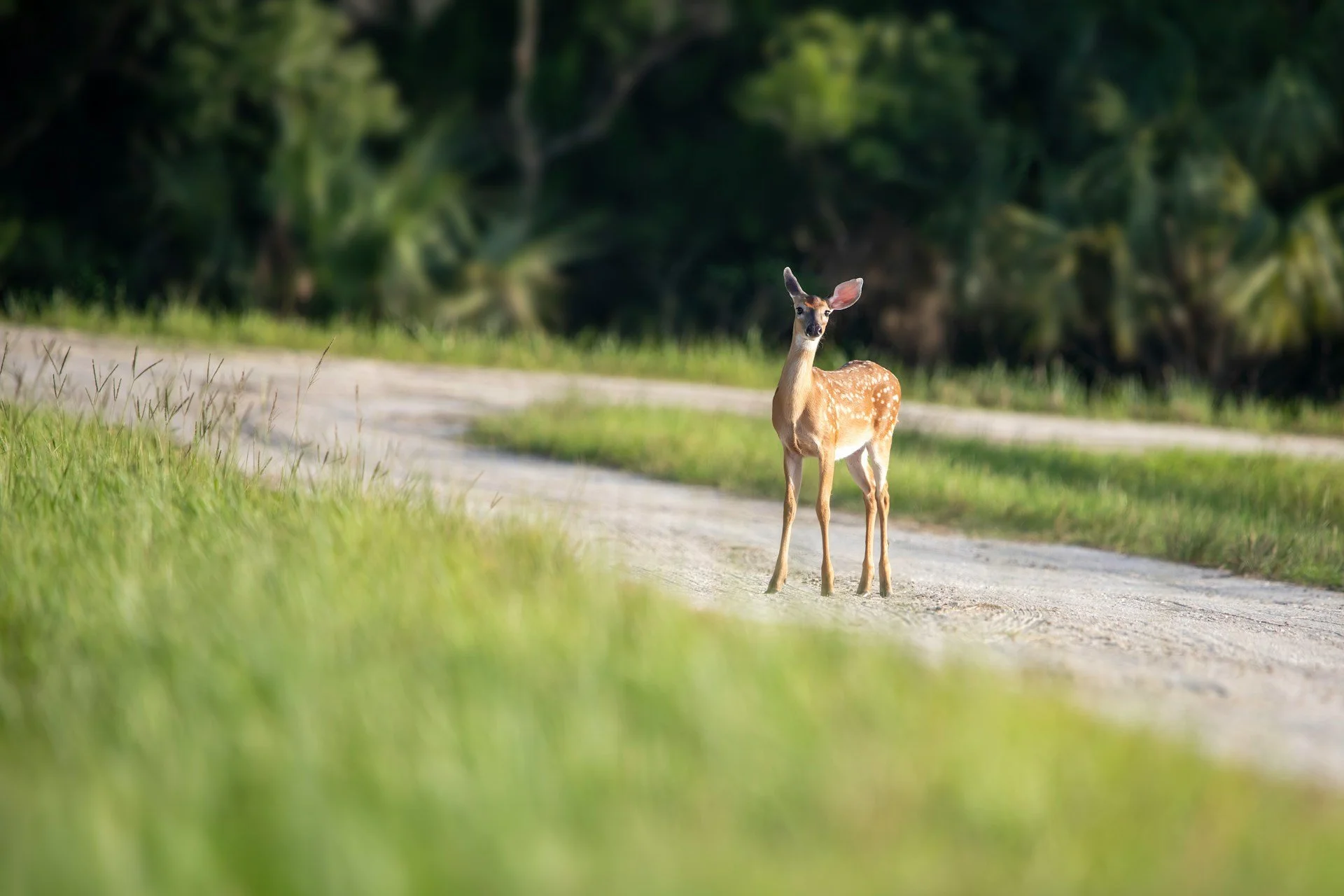
Part of creating healthy wildlife habitat is making sure animals have corridors to move between different parts of the land.
Selective clearing is often the best method for creating wildlife corridors, as it gets rid of unwanted growth while leaving behind good plant species and cover.
Forestry mulching and underbrush clearing are two of the main land clearing methods 5K Land Management uses in this case.
A good hunting tract should have cover if you want wildlife to use it. Too much cover, however, and you start getting into dicey territory. By that, we mean brush growing in through the draws, over the edges of creeks, and along fence rows. While animals might have all the cover they need, they also won't have open routes to get to where they need to go.
When we create wildlife habitat here at 5K Land Management, we do so with selective clearing. That means we target certain trees or vegetation to remove, such as dead or invasive plants, while leaving other good and natural parts of the property alone.
Not only does this make the land easier to use for wildlife, but it also makes it easier to hunt on and maintain for people.
What’s the Point of a Wildlife Corridor?
A wildlife corridor is a connected path that wildlife can use to move between different habitats. This is key for all kinds of wildlife, from mammals to birds to fish, as it helps them move from their breeding grounds to their feeding grounds, and anywhere else they naturally travel.
A corridor can be simple, like a small path along a creekbed that connects two patches of forest. It can also be a bit more complex, like a series of underpasses that offer safe passage to wildlife refuges. There are some famous ones in South Texas that the endangered ocelots use.
The main thing to know is that these corridors are designed when we create wildlife habitat to help animals move between places they need to complete their life cycles naturally.
When it comes to creating wildlife corridors, the goal is usually to open just enough space for movement while leaving cover nearby.
A corridor might follow:
A creek
A brushy fence line
A timber strip
A mulched trail
A sendero with cover on both sides
An old hunting lane with bedding and feeding areas
To create wildlife habitat, these routes need to connect to places animals already use.
Why Thick Brush Can Limit Wildlife
Brush has value. Deer use it for cover. Turkeys use edges and openings to feed while staying protected. Smaller wildlife, such as rabbits and squirrels, may use thickets and timber lines to move carefully.
But when brush grows in so thick that animals can't move through it, it can make certain parts of their paths inaccessible. If deer can’t get from their breeding ground to a watering hole safely, that's an issue.
With selective clearing, landowners have a way to open up movement without taking out every bit of cover.
How Selective Clearing Maintains Cover
Selective clearing offers landowners the opportunity to choose what stays and what goes. That could mean opening a fence line and thinning out some brush while leaving tree cover that the local wildlife likes to use.
The idea is to be strategic when we create wildlife habitat corridors, removing only dead, dying, or invasive plant species, or getting rid of just enough overgrowth without clear-cutting to create a natural path.
Selective land clearing should also account for the specific species that are moving between habitats.
White-tailed deer prefer travel routes with ample cover. Painted buntings, on the other hand, like brushy edges with low cover near open feeding areas.
The great thing about creating wildlife habitat with selective clearing is that you avoid removing the good topsoil and jeopardizing the native seed bank.
Forestry Mulching and Underbrush Clearing for Habitat Work
Forestry mulching uses a machine-mounted head to cut and grind brush in place. Instead of pushing everything into piles, the machine turns brush and small trees into a rough mulch layer on the ground.
That makes it incredibly useful for trails, senderos, fence lines, and brushy travel corridors, as it can open up the path without scraping the whole section bare.
Underbrush clearing, on the other hand, is better when low growth is the main problem. We typically use this form of land clearing when we need to remove tangled brush or saplings while leaving larger trees and canopy intact.
Some areas may still need heavier clearing. A future road, building site, or work area may need a cleaner finish than these types of clearing can provide. But for habitat work, selective clearing keeps the focus on movement, cover, and long-term maintenance.
Why Full Clearing Can Work Against Habitat Goals
Full clearing has its place. A homesite, shop pad, road, utility path, or working yard may need a completely clean area. Wildlife habitat is different.
If too much brush is removed, deer may lose bedding cover and screening. Turkeys may lose their nearby edges and protected routes. Small wildlife may lose the strips and transitions they use to move safely through the land.
Leaving everything thick creates a different problem. Animals might still stay on the property, but it can be harder to see, manage, or support their movement. Food plots and trails may become harder to reach. Fence lines and ponds can disappear into growth.
The middle ground is usually the best plan of action to create wildlife habitat. Open enough land for movement and access while leaving enough cover for wildlife to continue using it.
Planning Corridors on Large Acreage
If you’re looking to create wildlife habitat corridors, start with the routes already built into the land. Walk or map the creek bottoms, low draws, pond edges, old roads, fence lines, and places with plenty of deer or turkey sign.
From there, it’s looking at the needs of the landowner. Do they need hunting access, grazing capabilities, fire mitigation, resale, recreation, or future development? Each of those calls for a unique clearing plan. A good corridor can help wildlife move easily while also giving the owner a better way to check and maintain the land.
Creating a Better Plan for Wildlife Movement
To create wildlife habitat that works for both animals and landowners, there needs to be a specific plan in place. That plan should look at the terrain, the species, the future use of the property, the acreage, and a number of other variables.
Overall, however, the main goal with any job that entails creating wildlife corridors, the plan typically involves three main things:
Opening blocked routes
Maintaining healthy cover
Leaving the property easier to use for the landowner
If you’re looking to create wildlife habitat on a large piece of acreage, get in touch with 5K Land Management. We can help you come up with a plan that promotes good access, cover, movement, and long-term upkeep.